 how-to
Native Plants for Sustainable Hills District Gardens
Table of Contents
- Why Native Plants Transform Your Garden
- Australian Native Plants for Gardens in Your Region
- Native Garden Design Ideas for Sloping Sites
- Native Garden Soil Preparation and Drainage
- Water-Wise Garden Design and Plant Establishment
- Integrating Native Plants with Hardscape and Outdoor Living
- Maintenance and Long-Term Care
- Frequently Asked Questions
Last Updated: October 10, 2026
Why Native Plants Transform Your Garden
Native plants are species that grow naturally in your region and have evolved to thrive in local soil, climate and conditions, the foundation of native plants sustainable gardens that work with your landscape.
The real advantage goes beyond just saving effort. Native plants support local wildlife, reduce your environmental footprint, and create a garden that actually belongs in your landscape. Native plants sustainable gardens feel connected to the place where they grow, creating landscapes that belong in your region.
This is where many homeowners get stuck. They plant native species without considering how to arrange them, what soil they need, or how to establish them properly. The result: plants that survive but never thrive, or fail entirely.
Australian Native Plants for Gardens in Your Region
Your region's native plants are adapted to local rainfall, temperature swings, soil type and aspect. Choosing species suited to your specific conditions means they'll grow stronger and need less intervention over time.
The Hills District and surrounding areas have distinct growing conditions. Soils tend toward clay and sandstone, rainfall is moderate, and summer heat can be intense. Your native plant selection should reflect these realities.
Trees and tall shrubs for structure
Trees form the backbone of any native garden. They provide height, shade, and long-term structure. In the Hills District, suitable native trees include spotted gum, scribbly gum, turpentine, and ironbark species. These grow tall enough to create real presence without becoming unmanageable.
Tall shrubs like leptospermum and callistemon fill the space between ground level and the tree canopy. They add visual interest and create habitat layers that support local birds and insects. Choose species that suit your soil type and sun exposure.
When selecting trees and shrubs, consider the mature size. A tree that reaches 15 metres will dominate a small courtyard. Know what you're planting and where it will be in ten years.
Mid-storey shrubs and groundcovers
Mid-storey shrubs sit between your tall trees and ground plants. They create depth and fill gaps in your garden structure. Native options include grevilleas, banksias, and native wax flowers. These species flower reliably and attract pollinators.
Groundcovers and low shrubs anchor the base layer. They prevent erosion, suppress weeds, and soften hard edges. Native options like native violets, creeping boobialla, and prostrate grevillea work well on slopes and in shaded areas.
The key is layering. Each level should have plants that suit the light and moisture conditions at that height. A groundcover struggling in full sun will die. One planted in shade under a dense tree canopy will thrive.
Native grasses and flowering plants
Native grasses add movement and texture to your garden. They're tough, water-wise, and look good year-round. Species like wallaby grass, weeping grass, and kangaroo grass work well across the region. They're also excellent for erosion control on sloping sites.
Flowering plants bring colour and life to your native garden. Native wildflowers like flannel flower, waratah, and native orchids add seasonal interest. They also attract bees and butterflies, supporting the broader ecosystem.
Don't plant everything to flower at once. Stagger your flowering plants so you have colour from spring through autumn. This keeps your garden visually interesting and provides food for wildlife across the seasons.
Native Garden Design Ideas for Sloping Sites
Sloping blocks are common across the Hills District. They present challenges: water runs downhill, soil erodes, and establishing plants can be difficult. But slopes also offer opportunities. You can create dramatic layered gardens with real visual depth.
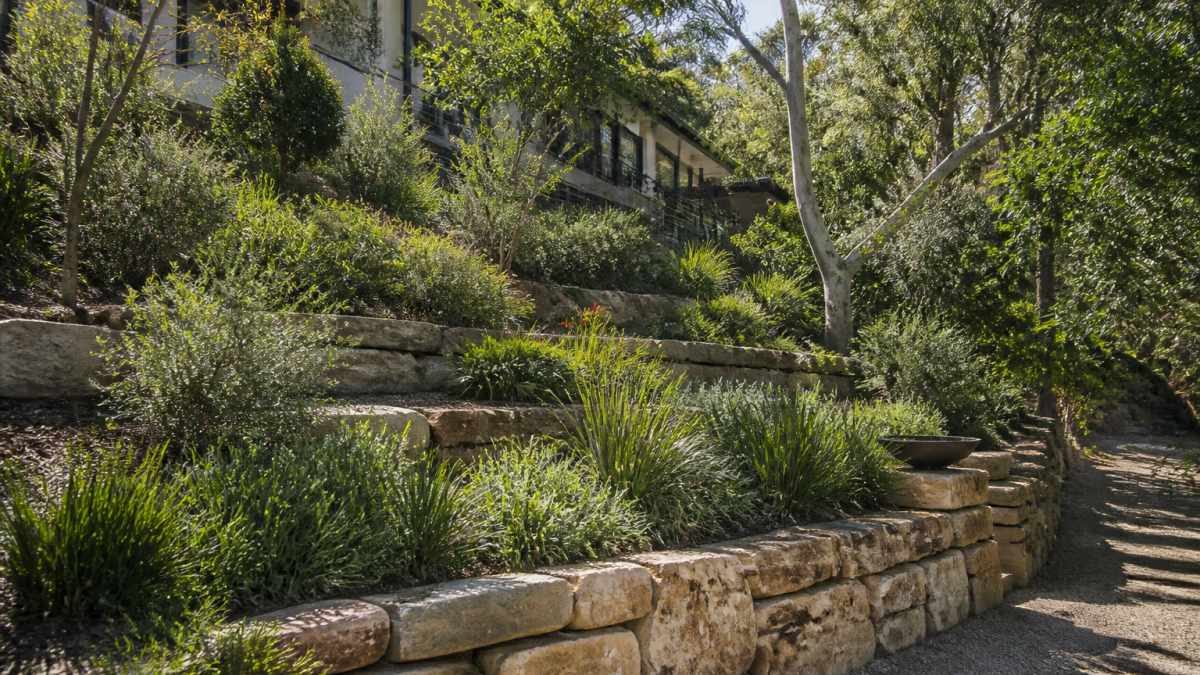
The key is working with the slope, not against it. Use the natural contours to guide water, direct views, and create different planting zones.
Creating layered planting for depth and visual interest
On a slope, layering happens naturally. Your tall trees sit at the top. Mid-storey shrubs step down the slope. Groundcovers anchor the base. This creates visual depth that flat gardens struggle to achieve.
Use the slope to create viewing angles. A garden planted on a slope reveals itself as you move through it. Different plants come into view from different positions.
Stagger your plantings so they don't line up in rows. Offset trees and shrubs so they create a natural, forest-like arrangement. Avoid the temptation to plant in neat lines.
Consider sight lines from your house. What do you want to see from your windows? Plant taller species to frame views and hide eyesores.
Designing for seasonal colour and year-round appeal
A native garden that looks good only in spring is a missed opportunity. Plan for colour across all seasons. Spring brings wattles and native wildflowers. Summer features grevilleas and callistemons. Autumn offers native berries and changing foliage. Winter showcases evergreen structure and persistent flowers.
Select plants with different flowering times. A grevillea that flowers in late spring, a callistemon that peaks in summer, and a native daphne that blooms in winter create continuous interest.
Think beyond flowers. Native grasses change colour through the seasons. Some shrubs develop red or bronze new growth. Seed pods and berries add visual interest after flowers fade. These details matter when you're designing for year-round appeal.
Native Garden Soil Preparation and Drainage
Soil preparation determines whether your native plants thrive or struggle. Many homeowners skip this step and wonder why their natives fail. The reality is simple: get the soil right and everything else becomes easier.
Testing and amending soil for native plant success
Before planting, understand your soil. Is it clay-heavy? Sandy? Does it drain quickly or stay wet? Different native plants suit different soil types. A plant that needs good drainage will fail in compacted clay. One that loves moisture will struggle in sandy soil.
If you're unsure about your soil, a simple test helps. Dig a hole, fill it with water, and watch how fast it drains. Fast drainage (within an hour) suggests sandy soil. Slow drainage (more than 24 hours) suggests clay.
Amend your soil based on what you find. Clay soils benefit from added organic matter and coarse sand to improve drainage. Sandy soils need organic matter to improve water retention. Work amendments into the top 30 centimetres where most roots establish.
Managing drainage on sloping blocks
Slopes present drainage challenges. Water runs downhill quickly, carrying topsoil with it. Sloping sites need active drainage management to prevent erosion and allow plants to establish.
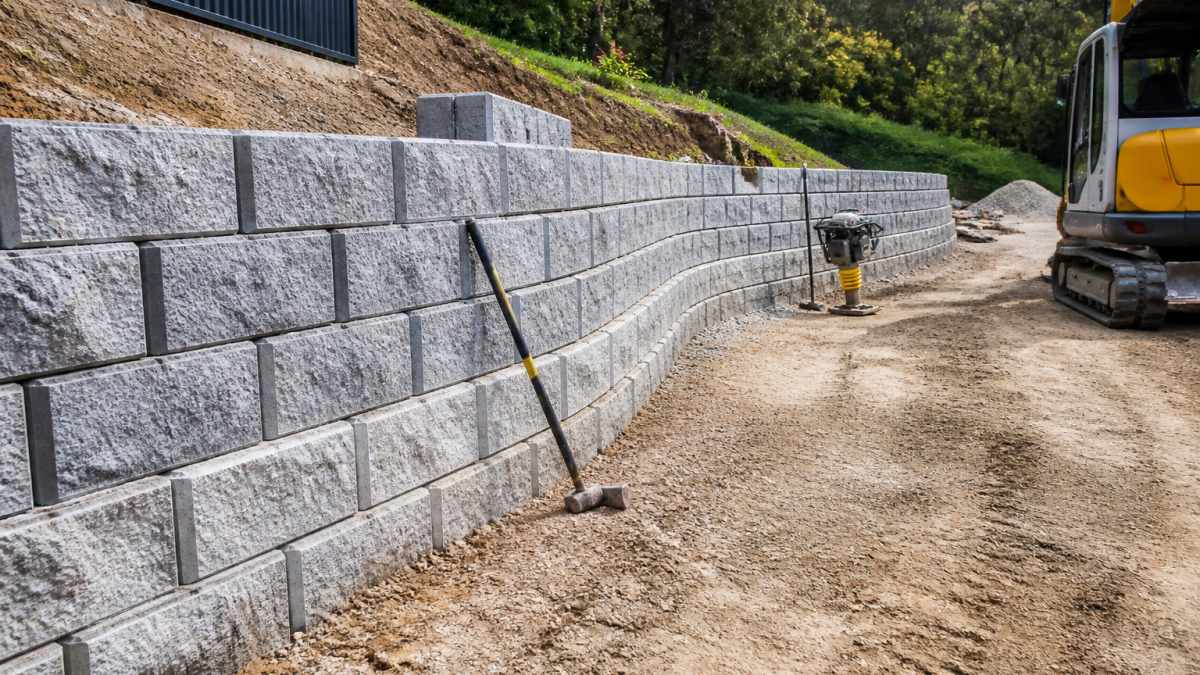
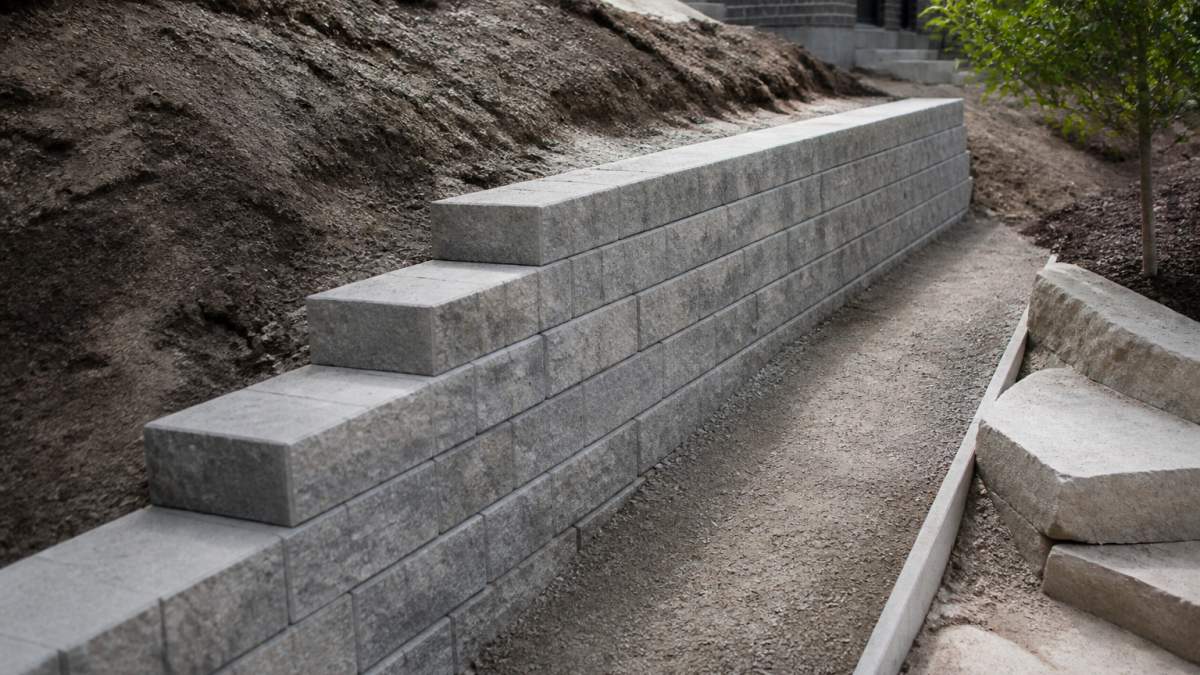
Create level planting areas on slopes using terracing or swales. These horizontal zones slow water runoff and allow it to soak in. They also create stable platforms for planting. Terraces don't need to be formal.
Use mulch strategically to slow water movement and protect soil. Mulch also moderates soil temperature and retains moisture during dry periods.
Consider drainage paths. Where will water go during heavy rain? If it runs straight down your slope, it will erode. Direct water into swales or drainage lines that slow its movement.
Water-Wise Garden Design and Plant Establishment
Water-wise doesn't mean waterless. It means using water efficiently and choosing plants suited to your climate. Native plants are naturally water-wise because they've evolved to thrive on local rainfall patterns.
Selecting drought-tolerant natives suited to local microclimates
Microclimates exist within every garden. South-facing slopes stay cooler and moister. North-facing areas heat up and dry out faster. Low spots collect water. High spots dry quickly. Understand these microclimates and match plants accordingly.
Drought-tolerant natives like grevilleas, banksias, and many eucalypts suit hot, dry spots. Shade-loving natives like native violets and ferns prefer cooler, moister areas. Water-loving species like leptospermum can go in low spots that stay wetter.
This matching approach means less watering, fewer losses, and a healthier garden overall. A drought-tolerant plant struggling in a wet spot will fail. The same plant in a dry area will flourish.
Watering and mulching for successful establishment
Even drought-tolerant natives need water during establishment. The first 12 months are critical. Regular watering helps roots develop and plants settle into their new home.
Water deeply but less frequently. This encourages deep root growth. Shallow, frequent watering creates shallow roots that dry out quickly. Deep watering once or twice a week is better than daily sprinkles.
Mulch is your second-most important tool after soil preparation. It regulates soil temperature, retains moisture, suppresses weeds, and adds organic matter as it breaks down. Apply 5-7 centimetres of coarse mulch (bark chips, wood chips) around your plants.
Keep mulch away from tree trunks and shrub stems. Mulch touching wood can cause rot. Leave a small gap around each plant's base.
Integrating Native Plants with Hardscape and Outdoor Living
Native plants don't exist in isolation. They share space with paving, retaining walls, pergolas, and outdoor seating areas. Good design integrates plants and hardscape into a cohesive whole.
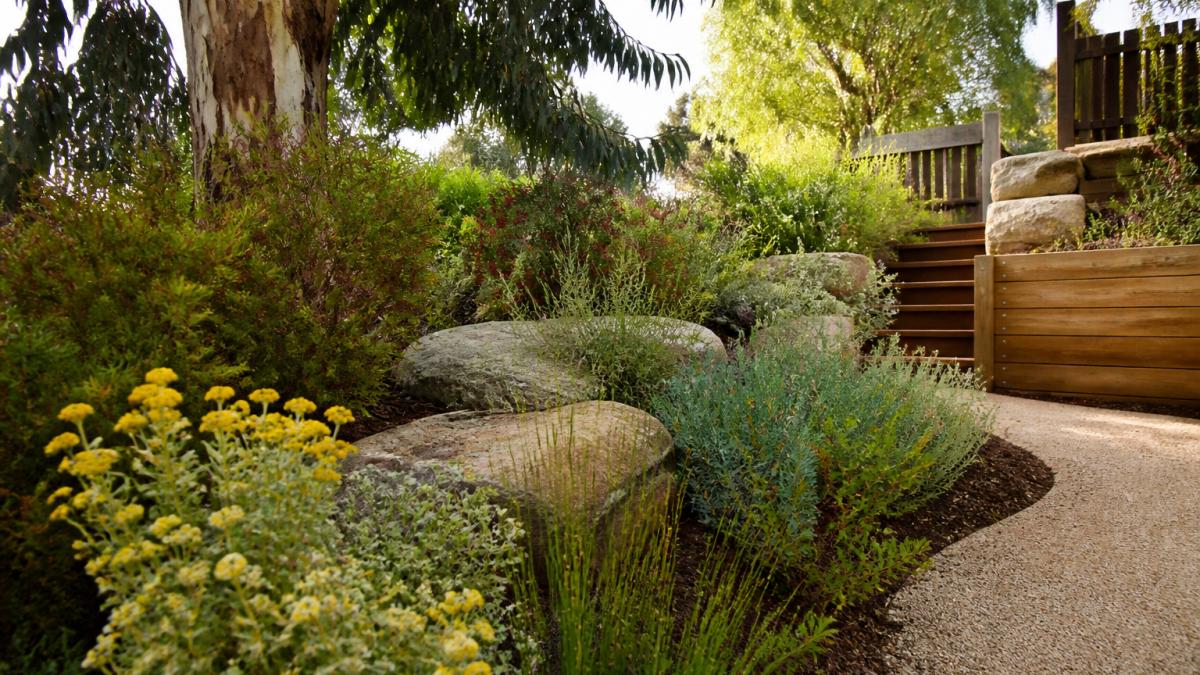
Use native plants to soften hard edges. Planting along the base of a retaining wall or around paving creates a natural transition. Tall plants can frame outdoor living areas and provide shade.
Consider the practical side. Plant groundcovers where foot traffic is light. Use tough, resilient species near high-traffic areas. Leave clear sight lines from seating areas to views. Plant shade-providing trees where they'll benefit outdoor living spaces.
When FDSS Landscaping Services designs a garden, we integrate plants with hardscape elements from the start. Native plants aren't an afterthought.
Maintenance and Long-Term Care
A mature native garden needs far less maintenance than exotic plantings.
In the first year, focus on establishment. Water regularly, check mulch levels, and remove weeds that compete with young plants.
Once established, native gardens are remarkably self-sufficient. Most natives don't need fertiliser. They don't need regular pruning.
Watch for pests and diseases, but don't panic at the first sign of damage. Native plants support native insects.
Mulch breaks down over time. Top it up every 2-3 years to maintain its benefits.
The beauty of a well-designed native garden is that it improves with age.
A native garden suited to your local conditions is an investment in your property and your environment.
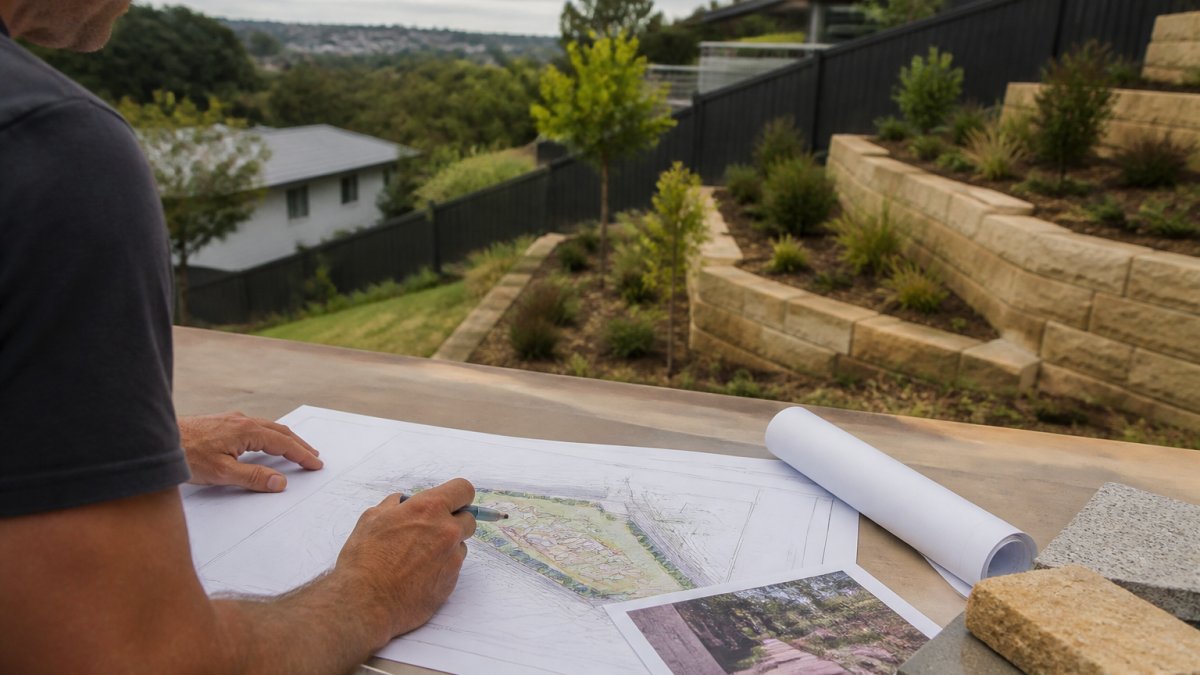
At FDSS Landscaping Services, we specialise in designing and building native gardens across the Hills District and surrounding areas. From initial concept and 3D landscape design through construction and completion, we handle every aspect of creating a sustainable, beautiful native garden tailored to your property and your vision.
Frequently Asked Questions
Which Australian native plants suit gardens in the Hills District?
Native plants thrive when matched to local site conditions. Trees like eucalypts and paperbarks, shrubs such as banksias and grevilleas, and native grasses like lomandra suit the region's soil and climate. Selection depends on your garden's sun exposure, soil type, slope, and drainage. A landscape designer can assess your specific site conditions and recommend plants that will flourish with minimal ongoing watering and maintenance.
How can native plants help reduce garden watering?
Established native plants are adapted to local rainfall patterns and require significantly less supplementary watering than exotic species. Once established through the critical first growing season, most natives are drought-tolerant and rely on natural rainfall. This reduces water consumption, lowers maintenance costs, and creates a more sustainable garden. Proper soil preparation, mulching, and initial establishment care are key to achieving this benefit.
How should I prepare soil before planting Australian natives?
Soil preparation is essential for native plant success. Test your soil's pH, drainage, and nutrient levels, many natives prefer well-drained, slightly acidic soils. Amend heavy clay with organic matter and sand to improve drainage. On sloping blocks, ensure adequate drainage infrastructure to prevent waterlogging. Remove competing weeds and improve soil structure before planting. Proper preparation reduces establishment failure and sets plants up for long-term health.
Can native plants be combined with paving and retaining walls?
Yes. Native plants integrate beautifully with hardscaping like paving, retaining walls, and outdoor living areas. Layered planting around paved spaces softens hard edges, provides shade, and creates visual interest. Retaining walls can support terraced plantings on sloping sites, reducing erosion while allowing natives to establish at different levels. A cohesive landscape design ensures hardscape and plants work together to create functional, attractive outdoor spaces.