 ultimate-guide
Choosing Materials for Outdoor Living Areas
Table of Contents
- Why Material Selection Matters for Outdoor Living Spaces
- Timber and Wood Options for Decking and Outdoor Structures
- Composite Decking and Low Maintenance Outdoor Flooring Options
- Natural Stone vs Concrete Pavers for Patios and Walkways
- Outdoor Furniture Materials: Durability and Weather Resistance
- Material Performance in Australian Climate Conditions
- Lifecycle Costs and Long-Term Maintenance Planning
- Planning Your Outdoor Living Project
- Frequently Asked Questions
Last Updated: October 9, 2026
Why Material Selection Matters for Outdoor Living Spaces
Choosing the right outdoor living materials is one of the most important decisions in a backyard renovation or new build. Your selections determine how the space looks, how long it lasts, how much maintenance it needs, and whether it suits how your family actually uses it.
Most homeowners focus on aesthetics first, and understandably so. But a space that looks stunning yet demands constant upkeep, deteriorates quickly, or becomes uncomfortable in direct sun will cost far more than anticipated. Material selection is where design meets durability.
The Australian climate presents specific challenges: salt air on the coast, intense UV, seasonal temperature swings and high rainfall in some regions. At FDSS Landscaping Services, we work with homeowners and builders across the Hills District and Greater Sydney to select outdoor living materials that balance aesthetics, performance and long-term value.
This guide covers the main options, timber, composite, natural stone, concrete and outdoor furniture materials, with an honest assessment of what each delivers, how they perform in Australian conditions, and what lifecycle costs look like beyond the initial purchase price.
Timber and Wood Options for Decking and Outdoor Structures
Timber remains one of the most popular choices for outdoor living areas, delivering warmth, natural beauty and a sense of permanence other materials struggle to match. The key question is which timber suits your climate and use case.
Hardwoods like spotted gum, merbau and cumaru are naturally durable and resist rot, insect damage and weather exposure far better than softwoods, thanks to natural oils and tannins.
The trade-off with premium hardwoods is cost and sourcing, ensure any timber comes from certified, responsibly managed forests. Even durable hardwoods need regular maintenance: every 12 to 24 months, decking and structures benefit from cleaning, sanding and resealing. Without it, even the best timber will grey, crack and eventually fail.
Softwoods like treated pine are more affordable but demand more frequent maintenance and have a shorter lifespan in exposed conditions. They're suitable for covered structures or areas with less direct weather exposure, but they're not ideal for full-sun decking in high-rainfall regions.
Timber pros: Natural appearance, warmth underfoot, attractive ageing if maintained, works well in combination with other materials.
Timber cons: Requires regular maintenance, susceptible to splinters and warping if not sealed properly, can become slippery when wet, initial cost for quality hardwoods is high.
Composite Decking and Low Maintenance Outdoor Flooring Options
Composite decking has evolved significantly and now represents a genuine alternative to timber for many applications. Made from a blend of wood fibres and plastic polymers, it mimics timber's appearance while reducing maintenance demands substantially.
Low maintenance outdoor flooring options like composite decking suit homeowners who want the look of timber without the sealing, sanding and regular upkeep. A composite deck typically needs only occasional cleaning with a hose and mild detergent, no sanding, staining or resealing.
Quality composites resist mould, mildew and insect damage better than timber, don't splinter, and hold their colour and structure more consistently.
The aesthetic question is real. Early composites looked plastic-like; modern versions are far more convincing, with realistic wood grain textures and colour variation, though they still don't feel exactly like timber. Cost-wise, quality composite decking typically sits between mid-range timber and premium hardwoods.
Composite pros: Low maintenance, consistent appearance, mould and insect resistant, no splinters, longer effective lifespan than softwood, environmentally friendly (uses recycled materials).
Composite cons: Can look artificial to some users, can be slippery when wet, higher upfront cost than treated pine, thermal expansion in direct sun, limited colour options compared to timber stain choices.
Natural Stone vs Concrete Pavers for Patios and Walkways
The choice between natural stone and concrete pavers shapes both the look and the practical performance of your patio, pathway or entertaining area.
Natural stone, sandstone, bluestone, granite or slate, offers unmatched visual appeal. Each stone is unique, colours are rich and varied, and the material ages beautifully.
The practical considerations are durability variability (some stones are softer and wear more), cost and installation precision. Soft stones like sandstone can develop ruts in high-traffic areas.
Concrete pavers offer consistency, durability and affordability. Modern pavers come in many colours and finishes, from smooth to textured, and can mimic natural stone convincingly.
The aesthetic trade-off is that concrete pavers, even high-quality ones, lack the depth and character of natural stone, they look more uniform and manufactured.
Natural stone pros: Unique beauty, rich colours, comfortable underfoot, ages well, excellent durability if properly selected and installed.
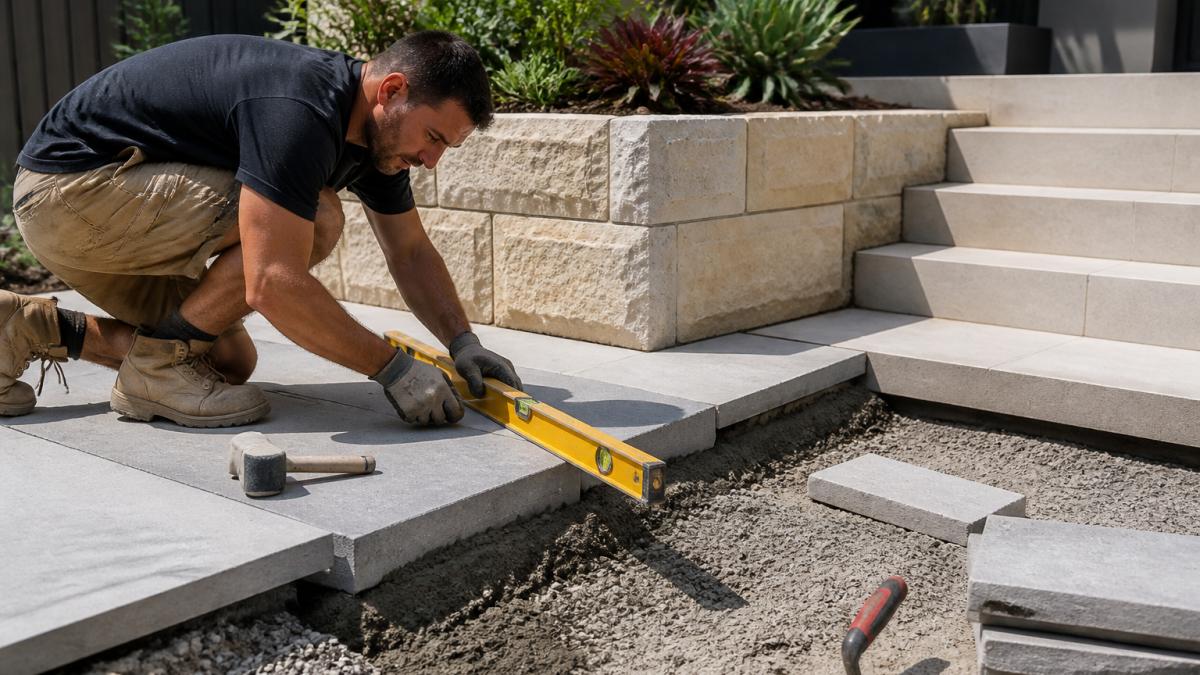
Natural stone cons: Variable durability depending on stone type, higher cost, requires skilled installation, may need sealing, softer stones can wear in high-traffic areas.
Concrete pavers pros: Consistent quality, affordable, easy to install and repair, wide range of colours and finishes, excellent durability, low maintenance.
Outdoor Furniture Materials: Durability and Weather Resistance
The materials you choose for outdoor furniture shape how comfortable and functional your outdoor living space actually is. Furniture sits in full sun, rain, and temperature extremes, so material selection here is as important as structural design.
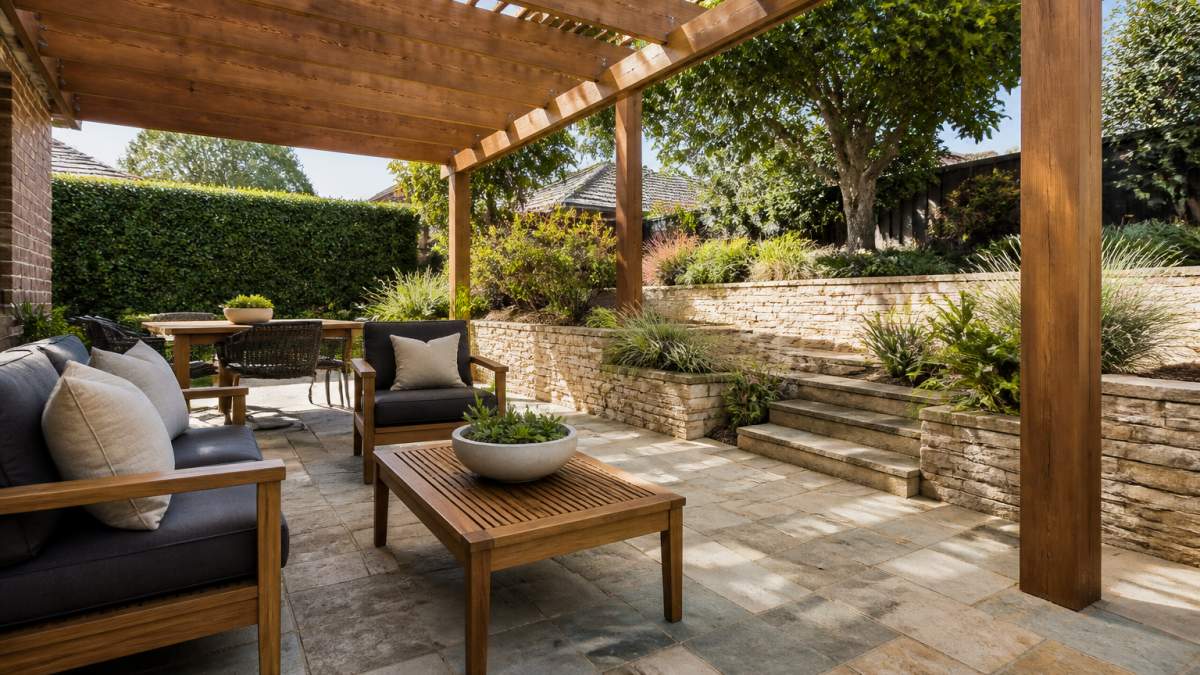
Timber furniture, teak, eucalyptus or acacia, offers warmth and natural beauty. Teak is exceptionally durable and naturally weather-resistant thanks to its oil content, but it's expensive and sustainable sourcing matters.
Aluminium frames with weather-resistant wicker or fabric are extremely popular. Aluminium doesn't rust, is lightweight and needs minimal maintenance.
Steel and powder-coated metal furniture can look contemporary and handle weather well if the coating is maintained. Chipped or worn powder coating can expose steel to rust, so this material demands attention.
Outdoor cushions and upholstery are typically made from solution-dyed acrylic or polyester fabrics designed to resist fading, moisture, and mildew. These fabrics are durable and comfortable, though they still benefit from occasional cleaning and storage during extreme weather.
Timber furniture pros: Natural appearance, comfortable, warm to touch, visually versatile.
Timber furniture cons: Requires regular maintenance, can splinter, susceptible to rot if not sealed, expensive for quality options.
Aluminium and wicker pros: Lightweight, low maintenance, rust-resistant, modern aesthetic, durable.
Aluminium and wicker cons: Can feel less substantial than timber, synthetic wicker can fade, may require cushion replacement over time.
Material Performance in Australian Climate Conditions
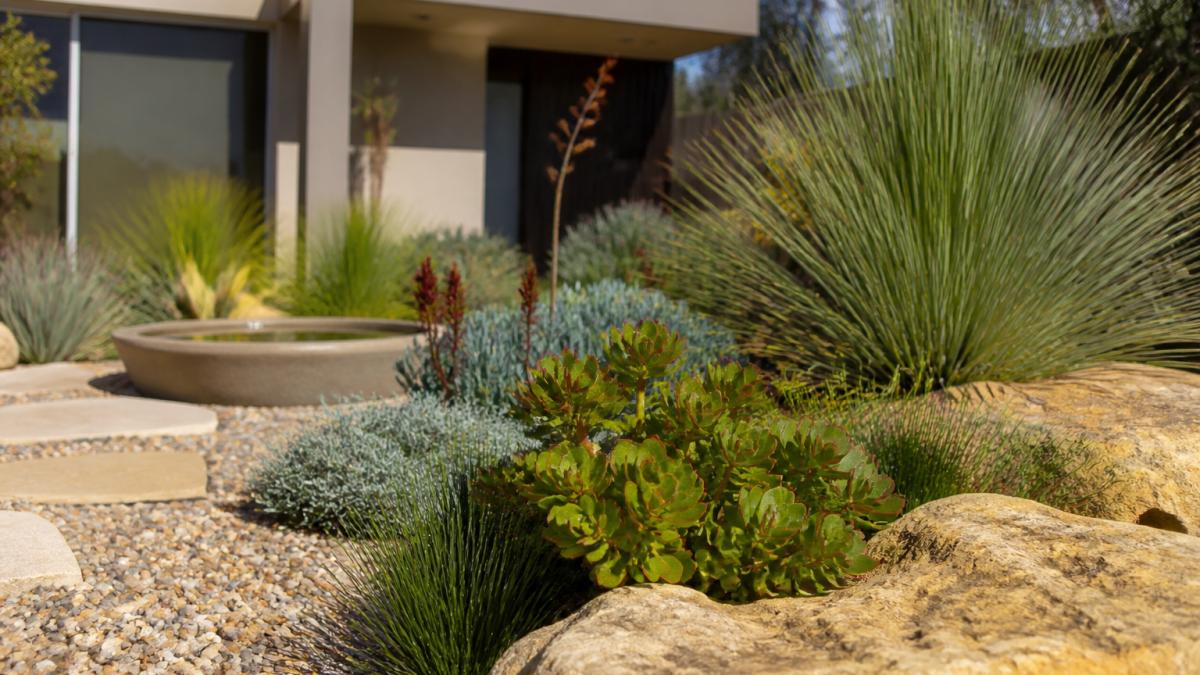
Australia's climate varies significantly across regions, and material performance varies accordingly. A material that thrives in the cooler, higher-rainfall Southern Highlands may struggle in the intense heat and UV of Western Sydney or the salt air of coastal areas.
In high-rainfall areas like parts of the Blue Mountains or Southern Highlands, materials must resist moisture absorption and mould. Composite decking, concrete and sealed natural stone perform well; timber needs more frequent sealing and inspection. Drainage is critical, poor drainage turns even durable materials into problems.
In hot, inland areas like Penrith and Mount Druitt, UV exposure and temperature extremes are the primary challenges. Materials that resist fading and thermal movement perform best.
Coastal areas present salt spray and wind challenges. Timber must be naturally durable and sealed regularly, and stainless steel fasteners are necessary to prevent rust. Composite materials handle salt air reasonably well, though regular rinsing helps prevent salt accumulation.
The Hills District and North-West Sydney experience moderate rainfall, temperature variation and occasional strong winds. Most quality materials perform well here if properly installed and maintained. The key is matching selection to site exposure, a south-facing sheltered area has different demands than a north-facing, fully exposed one.
Lifecycle Costs and Long-Term Maintenance Planning
Initial purchase price is only part of the equation. Lifecycle costs, material, installation, maintenance and eventual replacement, tell the real story.
Premium hardwood decking costs more upfront but lasts longer and maintains its appearance with regular care. Composite decking costs less to maintain but may need replacement sooner than the best timber. Treated softwood is cheapest initially but demands more maintenance and fails sooner.
Natural stone patios cost more to install but need minimal maintenance and last decades. Concrete pavers cost less initially and are easier to install, but may develop surface issues over time. Over 20 years, the total cost difference often narrows.
Outdoor furniture in quality materials, teak, powder-coated aluminium, solution-dyed fabric, costs more but lasts longer and requires less replacement. Cheaper furniture might need replacement every 5 years, while quality pieces last 10-15 years or longer.
The maintenance factor is often underestimated. Ongoing sealing, cleaning and repairs add up significantly over a decade, so low-maintenance materials that cost more initially often deliver better value once maintenance is factored in.
A practical approach is to identify which materials are visible focal points worth investing in (like a feature patio or deck) and which are functional but less prominent, premium materials for high-visibility areas, lower-maintenance options for utilitarian spaces.
Planning Your Outdoor Living Project
Material selection works best when integrated with overall design and site conditions from the start, this is where professional landscape design and construction expertise delivers real value.
At FDSS Landscaping Services, we work through material selection as part of the broader landscape design process. We assess your site's climate exposure, drainage, soil conditions and how you actually use the space, then recommend materials that align with your aesthetic preferences, maintenance tolerance and budget, explaining the trade-offs honestly.
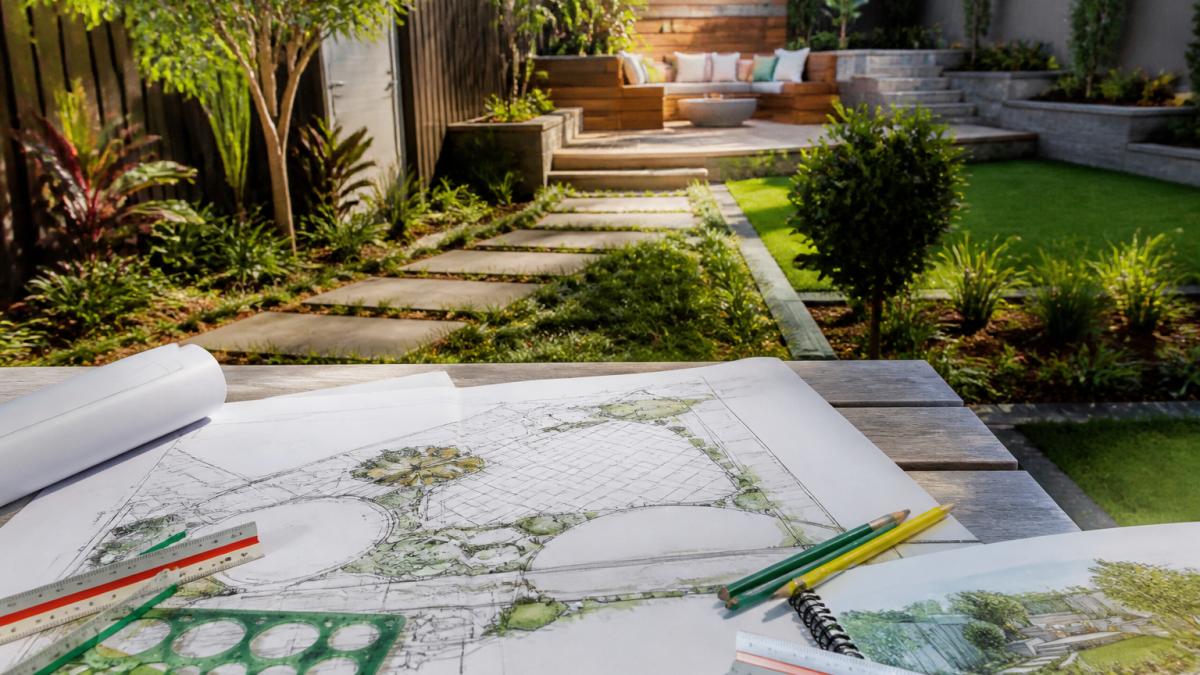
Our design-and-build approach means we're involved from concept through to completion. We create 3D landscape designs so you can visualise how materials will look together and how the space will function, then manage construction with attention to proper installation, drainage and material combinations that work together rather than against each other.
If you're planning an outdoor living area renovation or new construction in the Hills District or Greater Sydney, we'd welcome the opportunity to discuss your project and provide a qualified quote.
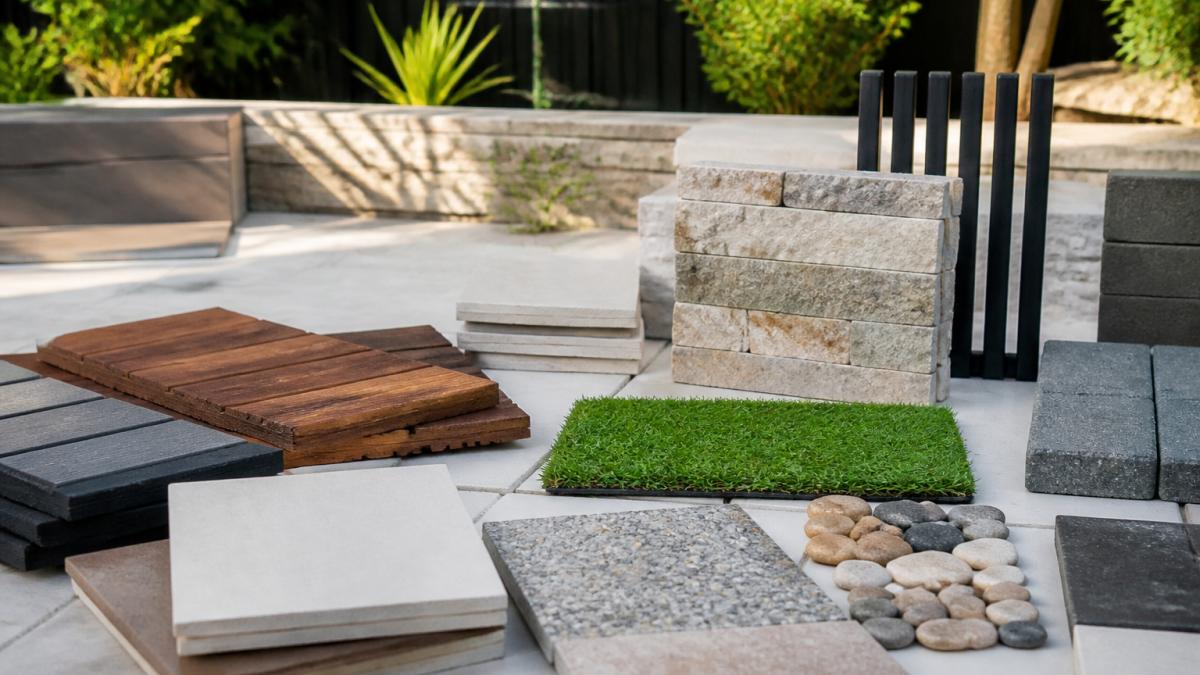
Choosing the right materials for outdoor living areas requires balancing aesthetics, performance, maintenance and long-term value. The decisions you make now will shape how your outdoor space looks and functions for years. Professional landscape design and construction expertise helps ensure those decisions are informed, practical and aligned with your site and lifestyle.
Frequently Asked Questions
What material holds up best in Australian outdoor conditions?
Durability depends on your specific location and exposure. Composite decking, powder-coated aluminium, and natural stone perform well across most Australian climates. In coastal areas, materials with superior moisture and salt-air resistance, such as treated hardwoods, composite alternatives, or non-porous stone, are essential. Inland properties may tolerate a wider range of materials. Your choice should account for summer heat, UV exposure, and seasonal weather patterns where your property is located.
Which outdoor flooring options require the least maintenance?
Low maintenance outdoor flooring options include composite decking, concrete pavers, and natural stone. Composite decking resists mould and doesn't need staining or sealing. Concrete pavers require occasional cleaning and resealing every few years. Natural stone is durable but may need periodic sealing depending on the stone type. Timber requires regular maintenance, staining, sealing, and inspection for rot. If minimal upkeep is your priority, composite and concrete are your strongest choices.
Should I choose natural stone or concrete pavers for my patio?
Natural stone vs concrete pavers depends on your budget, aesthetic preference, and maintenance tolerance. Natural stone offers superior appearance and longevity but costs more and requires periodic sealing. Concrete pavers are cost-effective, durable, and available in many finishes, though they may fade over time and require resealing. Both resist Australian weather well. Consider the finished look you want, your willingness to maintain the surface, and how long you plan to keep the space.
What factors should I consider when selecting materials for my outdoor living area?
Start with climate exposure, coastal properties need salt-resistant materials, while inland areas may tolerate a wider range. Consider the space's function: high-traffic areas need durable, slip-resistant surfaces; furniture zones need weather-resistant finishes. Evaluate maintenance demands honestly, some materials need annual sealing or staining, others need only occasional cleaning. Budget for both initial installation and long-term care. Finally, ensure materials work together cohesively; mixing timber, stone, and metal requires thoughtful design to avoid a disjointed appearance.