 ultimate-guide
Landscaper St Marys: Complete Project Guide for 2026
Table of Contents
- What a Landscaper in St Marys Actually Does
- The Benefits of 3D Landscape Design for Planning Your Project
- Retaining Wall Construction Requirements: What You Need to Know
- Turf Installation Best Practices for a Lawn That Lasts
- Paving, Hardscaping and Outdoor Living Areas
- Your Landscaping Project Timeline: From Concept to Completion
- Choosing the Right Landscaper in St Marys
- Frequently Asked Questions
Last Updated: September 23, 2026
What a Landscaper in St Marys Actually Does
A landscaper St Marys homeowners hire does far more than mow lawns and plant shrubs. The role covers site assessment, landscape design, retaining walls, paving, turf installation, drainage and outdoor living areas, coordinated from concept to completion.
The gap between a mowing contractor and a landscape construction company matters. A mowing contractor maintains what exists; a landscaper plans, excavates, builds and finishes, reading levels and fall across a block, managing stormwater, preparing soil, and constructing hardscaping that holds up through western Sydney summers.
At FDSS Landscaping Services, our work sits in that second category: design and construction delivered by one team, from the first site walk to the final clean-up.
For a typical residential project, the scope usually includes:
- Site assessment and level survey, including how water moves across the block
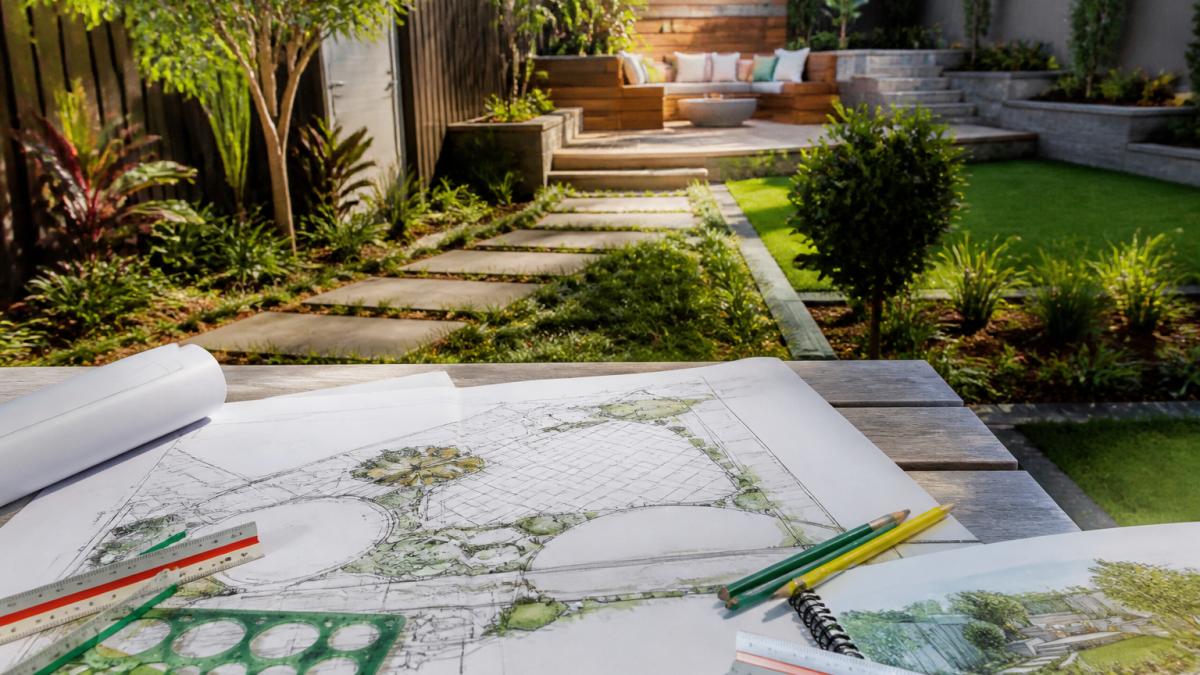
- Landscape design, often with 3D visuals so you can see the plan before anything is built
- Excavation and soil preparation
- Retaining walls, paving, concreting and garden edging
- Turf installation, planting, mulching and irrigation
- Ongoing garden maintenance advice once the build is done
That full scope separates a garden makeover from a landscape construction project, and it is where budgets usually go wrong, because homeowners price the visible work and forget the groundwork underneath.
The Benefits of 3D Landscape Design for Planning Your Project
3D landscape design is a visual planning process that models your proposed garden, paving, retaining walls and outdoor structures in three dimensions before construction begins. It lets you see proportions, sightlines and materials in context rather than imagining them from a flat plan.
The practical benefits are straightforward.
Retaining Wall Construction Requirements: What You Need to Know
Retaining wall construction requirements depend on the wall's height, the load behind it, soil conditions, drainage and site slope. The taller the wall and the more earth it holds back, the more likely it needs engineering input and formal approval.
| Wall situation | Typical considerations |
|---|---|
| Low garden edging | Minimal structural input, drainage still matters |
| Moderate height walls | Engineering detail often required, drainage essential |
| Tall or load-bearing walls | Structural engineering and approval commonly required |
| Walls near boundaries or structures | Survey, setbacks and council checks likely |
Three things decide whether a wall lasts:
- Drainage. Water must be managed behind the wall, not trapped against it. Aggregates, drainage cells and weep holes all matter.
- Footings. Depth and width depend on soil type and wall height. Guessing here is how walls lean within a few years.
- Materials. Concrete sleepers, sandstone, block and timber all suit different situations and budgets.
Turf Installation Best Practices for a Lawn That Lasts
Turf installation best practices come down to preparation. Laying the turf is the quick step; the work that decides whether the lawn thrives happens before a single roll is unrolled.
Choosing a turf variety for a Western Sydney climate
Warm-season varieties generally handle local summers better than cool-season types, but the right choice depends on shade, traffic and how much watering you will do. The main options across the region are:
- Couch (including hybrid varieties). Tough, fast-recovering and well suited to full sun and active family use. Needs regular mowing to stay dense.
- Buffalo. Broader leaf, good shade tolerance and a softer feel underfoot. Slower to repair from heavy wear than couch.
- Kikuyu. Vigorous and hard-wearing, but invasive into garden beds and notoriously difficult to contain once established.
- Zoysia. Fine leaf, slow-growing and lower-mowing, but slower to establish and less tolerant of heavy traffic while it knits.
The installation sequence that actually matters
- Clear the area and treat existing weeds, including any persistent runners
- Correct levels and fall so surface water moves away from the house and boundaries
- Improve and compact the soil base, aiming for a firm but not sealed surface
- Lay turf with tight joins and clean edges, staggering the rolls in a brick pattern
- Water immediately and keep to a settling schedule for the first fortnight
- Follow a seasonal maintenance routine through the first year
Once established, mowing height, watering depth rather than frequency, and seasonal feeding do more for lawn health than any rescue treatment. A properly prepared lawn is also far cheaper to maintain than one that has to be repeatedly patched.
Paving, Hardscaping and Outdoor Living Areas
Paving and hardscaping are where a garden becomes genuinely usable. A well-built patio, path or outdoor living area extends your home's floor space and gives the softscaping around it a structure to work with.
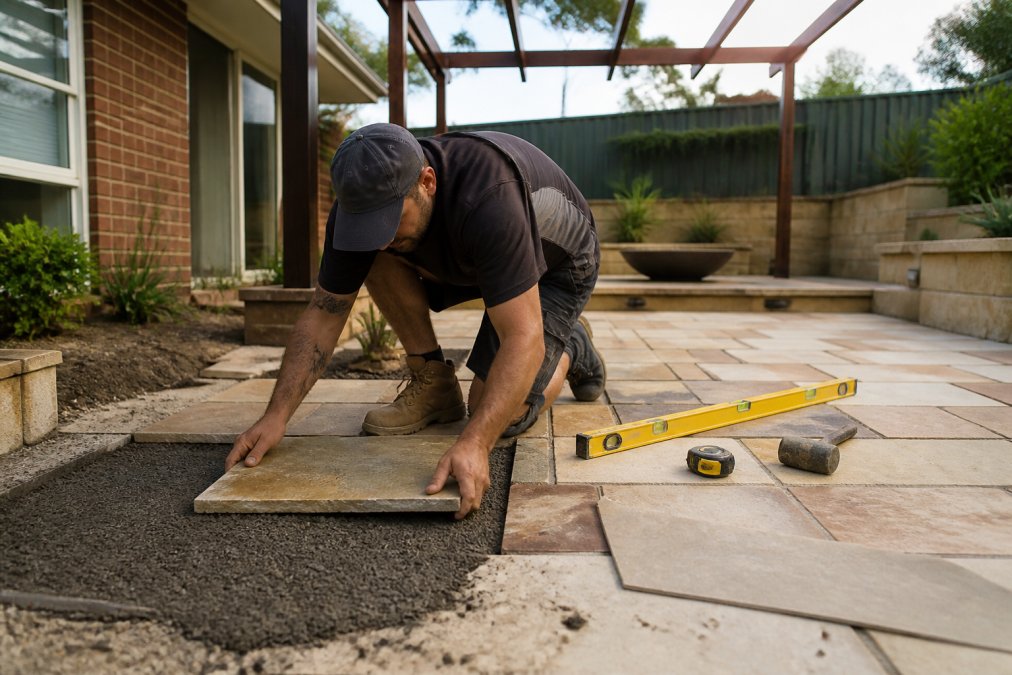
What sits underneath the paving
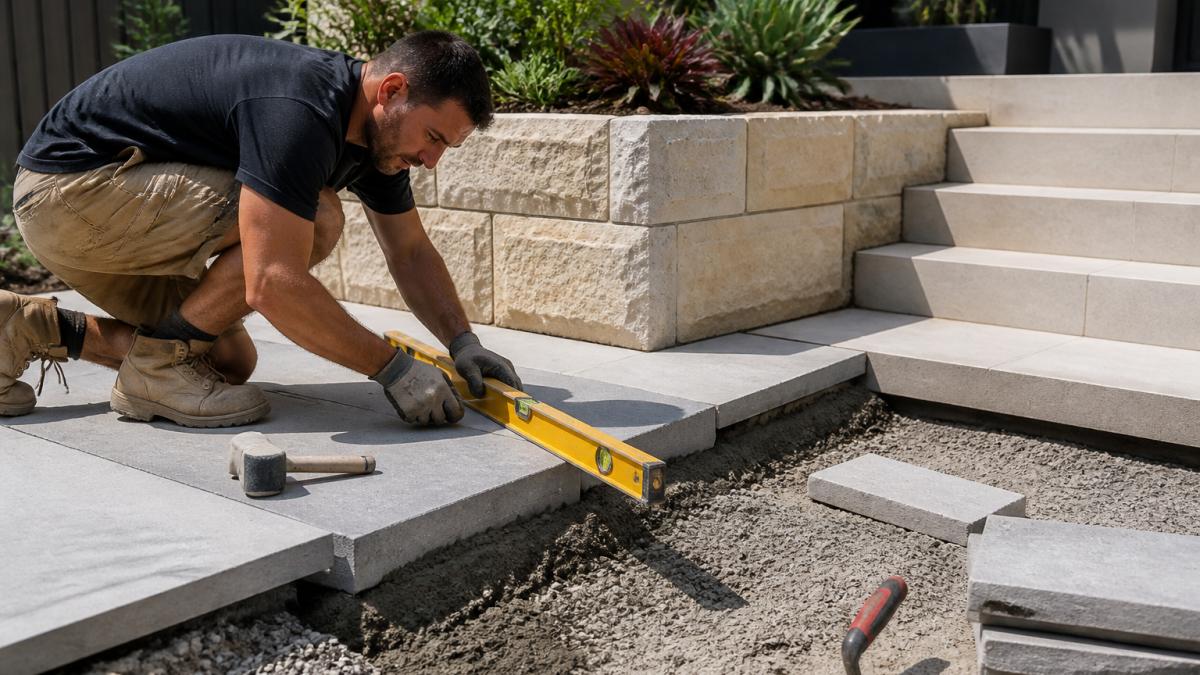
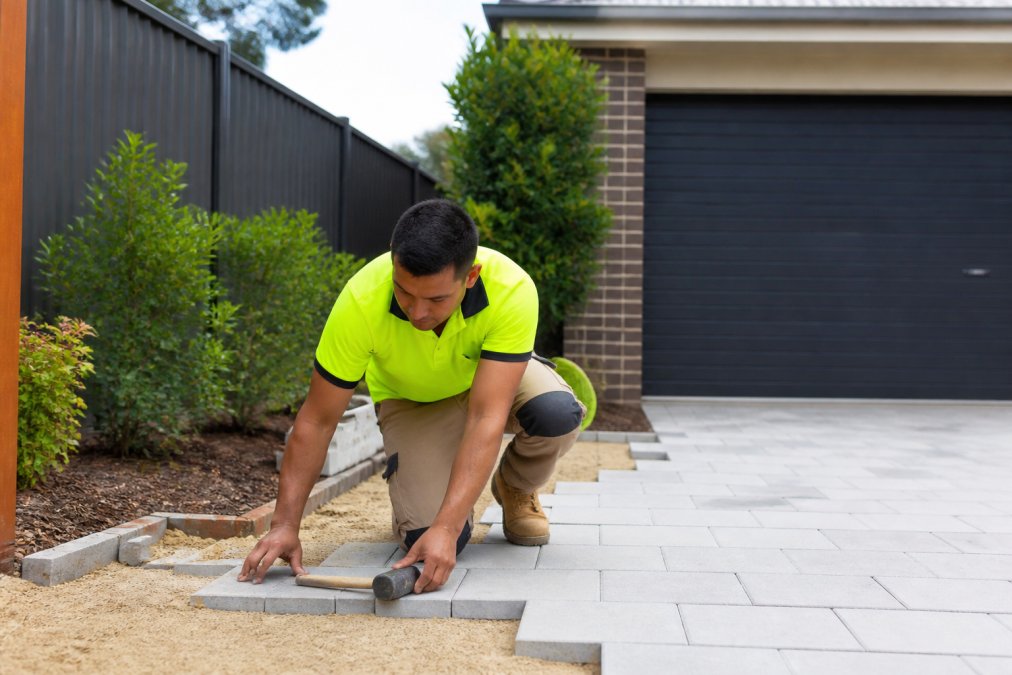
The design decisions that matter most are about drainage and levels, not tile colour. Paving must fall away from the house, joints need to suit the material, and edges need proper restraint. Underneath is the base build-up: excavated subgrade, compacted road base or crushed rock, a bedding layer, then the paver. Get the base wrong and no surface quality will save it.
Materials and where they suit
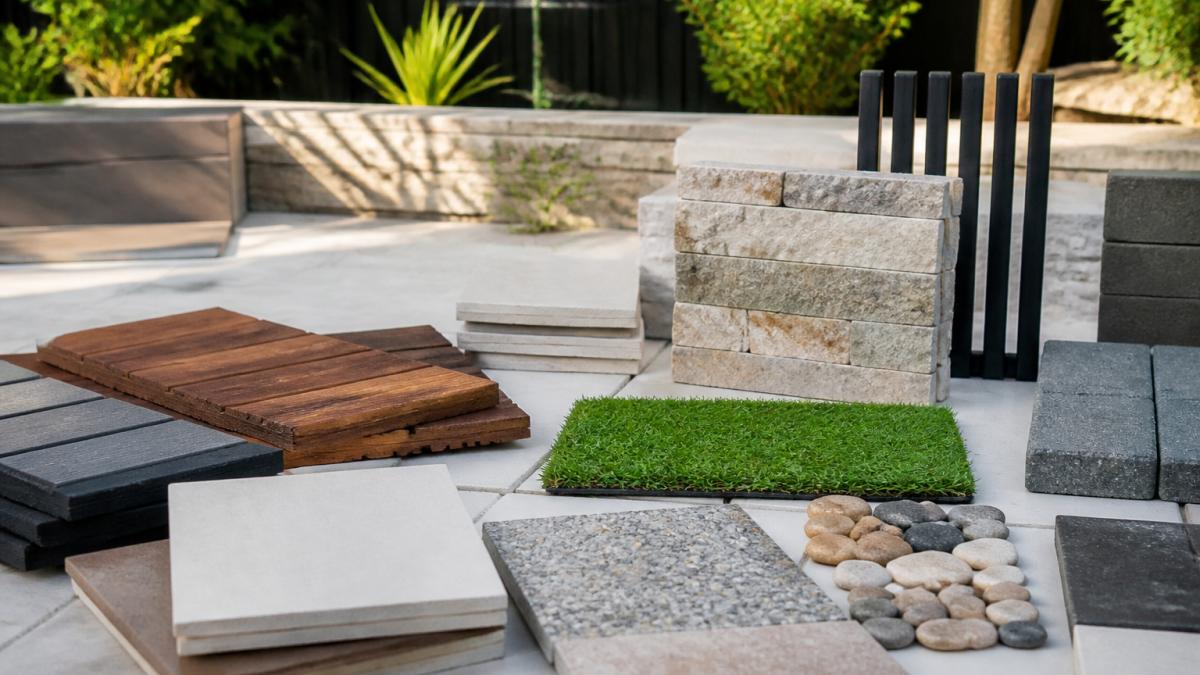
- Concrete pavers. Consistent, hard-wearing and available in a wide range of formats. Suit driveways, paths and high-traffic areas.
- Natural stone (sandstone, travertine, granite). Warmer underfoot and visually distinctive. Sandstone is common on patios and pool surrounds; travertine needs sealing and care around salt and chlorine.
- Porcelain. Low absorption, good for pool decks and entertaining areas, but requires a properly engineered base because it is less forgiving of movement.
- Exposed aggregate and broom-finished concrete. Useful for large driveways and utility areas where a continuous surface is preferred over individual units.
Edges, levels and drainage
Edge restraint keeps a paved surface flat. Without a properly bedded edge, pavers creep, joints open and the surface loses its fall. On sloping blocks, the paving layout must work with the retaining walls and garden levels around it, which is why building paving, retaining and drainage as one project beats adding them piece by piece.
Pulling the outdoor living area together
Outdoor living areas pull the elements together. A pergola provides shade and defines the space; an outdoor kitchen turns a patio into a room; fencing and gates close the boundary and add privacy. Hardscaping and softscaping then work together: paved zones for traffic, garden beds for planting, mulching and weed control.
Your Landscaping Project Timeline: From Concept to Completion
Most residential landscaping projects move through a predictable sequence, though each stage's duration depends on scope, approvals and site conditions. The timeline below is a planning guide, not a fixed schedule.
| Stage | What happens | Typical duration |
|---|---|---|
| Consultation and site assessment | Walk the block, discuss scope and budget | 1-2 weeks |
| Design and 3D visuals | Concept plans, revisions, material selection | 2-4 weeks |
| Approvals and engineering | Council or authority checks where required | Varies by project |
| Excavation and site prep | Levels, drainage, soil preparation | 1-2 weeks |
| Construction | Retaining walls, paving, concreting, structures | 2-6 weeks |
| Turf and planting | Turf installation, garden beds, mulching | 3-5 days |
| Handover | Clean-up, maintenance guidance | 1-2 days |
Choosing the Right Landscaper in St Marys
Questions worth asking before you commit:
- Can you show me a 3D design of my actual block?
- How will you manage drainage and levels?
- Does my project need engineering or council approval?
- Who is on site each day, and who is my point of contact?
- What is excluded from this quote?
FDSS Landscaping Services works with homeowners, builders and property owners across St Marys, Mount Druitt, Penrith, Blacktown and the Hills District, delivering landscape design, retaining walls, paving, turf installation and complete outdoor living areas from concept through to completion.
Frequently Asked Questions
Do I need council approval for retaining walls in my area?
It depends on the wall's height, the site and your local council's rules. Many councils require approval for retaining walls over a certain height, and walls that affect drainage or neighbouring properties may need extra checks. Because requirements vary, confirm with your local council or a qualified professional before building. A landscaper familiar with St Marys and surrounding areas can help you understand what applies to your block.
How does 3D landscape design help with project planning?
A 3D design shows your finished outdoor space before any work begins, so you can see how paving, planting, levels and structures will look together. This reduces costly changes during construction and helps you make confident decisions about materials and layout. It also gives your landscaper a clear plan to build from, which keeps the project on track and within the agreed scope.
What are the benefits of professional hardscaping for property value?
Well-built hardscaping such as paving, retaining walls and outdoor living areas adds usable space and improves how your property looks and functions. Buyers often value a low-maintenance, finished outdoor area, and a well-designed yard can make a home stand out. Because hardscaping is durable, it holds up over time with less upkeep than garden beds alone, which appeals to many owners.
How do I choose the right materials for paving and outdoor living areas?
Start with how you will use the space and the style of your home. Consider slip resistance, colour, texture and how the material handles weather and foot traffic. Natural stone, concrete pavers and porcelain each suit different budgets and looks. Ask your landscaper for samples and advice on what works best for your site, soil and climate in the St Marys area.