 listicle
Native Planting in Residential Developments: Benefits & Design
Table of Contents
- Why Native Planting Matters in Residential Developments
- Native Plants for Residential Gardens: Climate Adaptation and Water Conservation
- Native Plants for Biodiversity: Supporting Local Ecosystems
- Low-Maintenance Native Garden: Reducing Ongoing Costs
- Native Garden Design: Planning and Implementation
- Lifecycle Value: Measurable Benefits for Residents and Developers
- Getting Native Planting Right: Common Challenges and Trade-Offs
- Frequently Asked Questions
Last Updated: October 16, 2026
Why Native Planting Matters in Residential Developments
Native planting residential spaces represents a shift in how we think about outdoor design in residential developments.
Plants adapted to local soil, rainfall and seasonal temperatures reduce the infrastructure burden on properties: irrigation systems can be smaller or eliminated, and fertilisers and pesticides become unnecessary for most species.
At FDSS Landscaping Services, we've designed and constructed native gardens across the Hills District and North-West Sydney, from Castle Hill to Rouse Hill and The Ponds, and seen firsthand how native planting reduces maintenance demands, lowers long-term costs and supports local wildlife.
Native Plants for Residential Gardens: Climate Adaptation and Water Conservation
Thriving in Local Soil and Weather Conditions
Native plants have spent thousands of years adapting to your climate and soil, developing root systems suited to local drainage, leaf structures that handle regional rainfall and humidity, and growth cycles timed to seasonal temperature shifts.
Sydney's climate varies across the Hills District and surrounding regions, so species suited to Penrith and Mount Druitt differ from those for Kellyville or Glenhaven.
Reducing Water Use and Irrigation Demands
Native plants dramatically reduce irrigation requirements because they've adapted to local rainfall patterns over millennia; once established, many need no supplementary watering beyond what the climate naturally provides.
This translates to smaller irrigation systems, fewer watering days and lower water bills.
It also changes how developers approach external works: native gardens can rely primarily on natural rainfall, with irrigation as a backup during establishment or extreme dry periods.
Native Plants for Biodiversity: Supporting Local Ecosystems
Creating Habitat for Birds, Pollinators and Local Wildlife
Native plants support native wildlife because they've co-evolved together.
Gardens supporting pollinators like bees and native butterflies improve fruit and vegetable production, bird-friendly gardens reduce pest insects naturally, and diverse plantings attract wildlife residents enjoy watching.
For developers, native planting demonstrates environmental responsibility and appeals to buyers who value sustainability, becoming both a selling point and a genuine quality-of-life benefit.
Building Resilience Against Local Pests and Diseases
Native plants have natural resistance to pests and diseases common in your region.
A native garden is inherently more resilient and self-regulating, which is particularly valuable where maintenance budgets are limited and residents expect gardens to perform reliably.
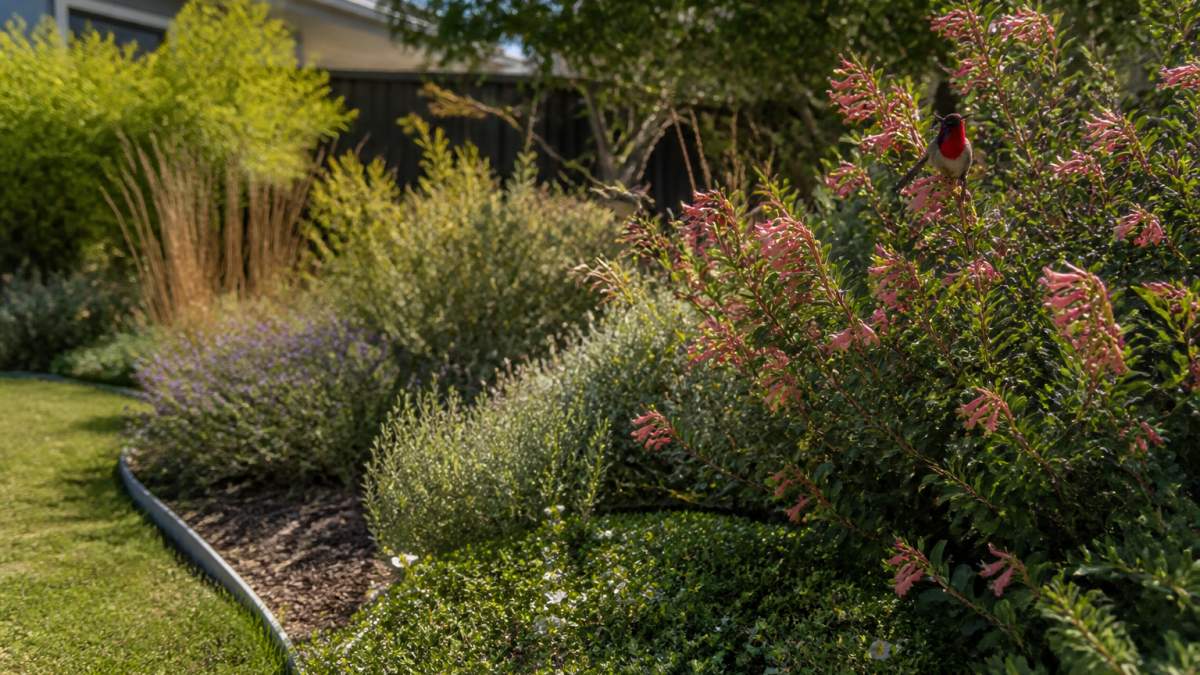
Low-Maintenance Native Garden: Reducing Ongoing Costs
"Low maintenance" is one of the most overused phrases in landscaping, so it is worth being precise about what it means for a native garden. The savings do not come from doing nothing; they come from a different maintenance profile: a more intensive establishment phase followed by a genuinely lighter long-term regime.
Where the Maintenance Effort Actually Shifts
A conventional exotic garden spreads maintenance evenly across the year: regular mowing, trimming, hedge shaping, seasonal colour replacement and continuous irrigation through the warmer months, plus ongoing fertility and pest management.
A native garden front-loads the effort. In the first growing season, plants need consistent watering to drive deep root development, weed control and occasional formative pruning.
For a development with shared common areas, that shift matters.
The Components of Lifecycle Cost
It helps to break the comparison into the cost lines that actually move:
- Irrigation infrastructure, native planting often allows smaller systems, fewer zones, or in some cases a design that relies on rainfall after establishment, with irrigation retained only as a backup.
- Water consumption, reduced demand once plants are established, which flows through to ongoing utility costs.
- Fertiliser and soil amendments, largely unnecessary for species adapted to local soils, removing a recurring input.
Every one of these lines depends on the site, species and design, so any comparison should be built on your own project's assumptions rather than a generic rule of thumb. A landscape designer or contractor can model these lines against a conventional scheme for the same site so the comparison is like-for-like.
Why Establishment Is the Make-or-Break Phase
The most common reason native gardens underperform is that the establishment phase is skipped or under-resourced. New plantings not watered through their first summer, or left to compete with weeds, often struggle, and the resulting gaps get blamed on the plants rather than the process.
For developers, this is a programming issue as much as a horticultural one. Establishment care needs to be built into the construction and handover sequence, with a clear plan for who waters, weeds and monitors through the first growing season.
Native Garden Design: Planning and Implementation
Assessing Your Site and Selecting the Right Species
Successful native planting begins with understanding your site.
The assessment process involves:
- Testing soil pH and drainage characteristics
- Mapping areas by sunlight exposure throughout the day
- Identifying existing vegetation and soil conditions
- Noting wind exposure and frost risk
Once you understand your site, selecting appropriate species becomes straightforward. A qualified landscape designer familiar with native planting can match species to conditions, ensuring plants suit their specific location within the garden.
This tailored approach prevents the common mistake of treating a whole property as a single zone. Native planting succeeds by respecting those differences rather than fighting them.
Designing for Visual Appeal and Functional Outcomes
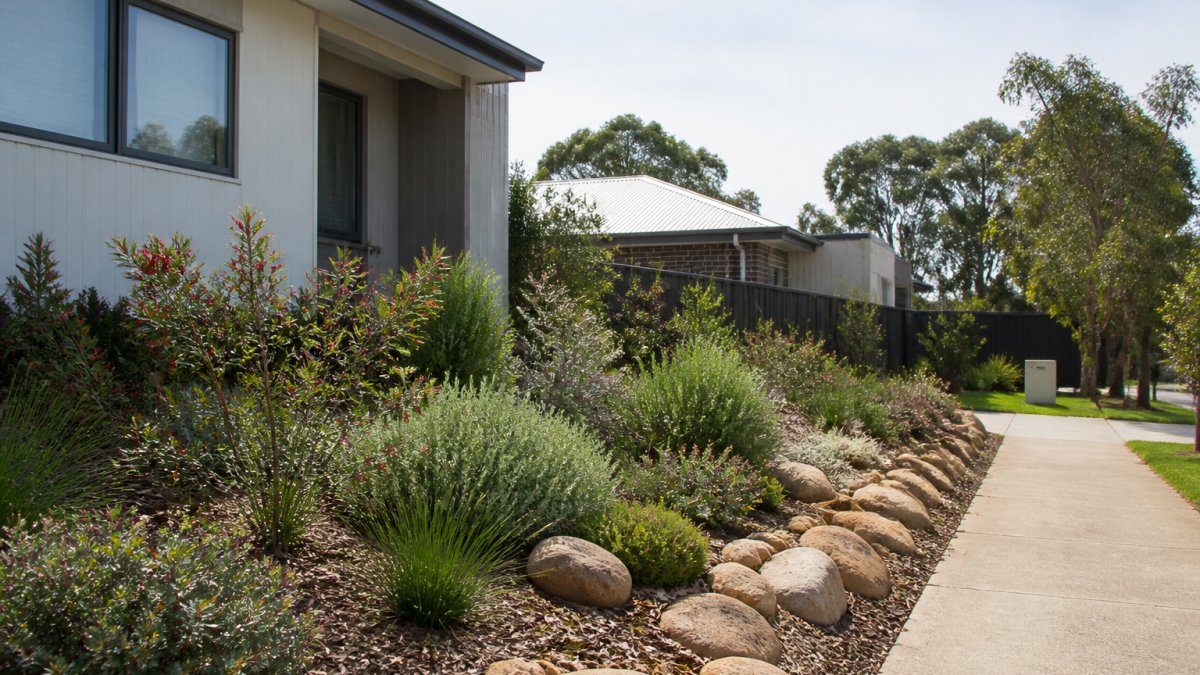
Native gardens don't have to look wild or unmanicured. Good design creates attractive, functional spaces that happen to be native, layering plants by height, choosing species with complementary flowering times, and arranging plantings to frame views or define outdoor living areas.
A well-designed native garden includes:
- Canopy trees for shade and structure
- Mid-storey shrubs for screening and habitat
- Ground covers and grasses for texture and colour
- Flowering plants timed to provide colour across seasons
The design process ensures the garden functions as intended, providing privacy where needed, framing views, supporting outdoor activities, and looking attractive throughout the year.
For native planting residential projects, professional landscape design ensures plantings integrate seamlessly with hardscaping, outdoor living areas, and architectural features.
Lifecycle Value: Measurable Benefits for Residents and Developers
Most discussions of native planting stop at the ecological case. For developers, builders and property owners, the more useful question is how native planting performs as an asset over the life of a development, and how that performance can be demonstrated rather than asserted.
Value at Development Scale, Not Just Garden Scale
A single backyard native garden is a modest thing. A residential development is a different proposition: streetscapes, shared common areas, entry statements, buffer planting, drainage swales and communal open space all sit within the same planting strategy. At that scale, the benefits compound in ways that individual gardens cannot replicate.
- Streetscape and identity, consistent native planting across a development creates a recognisable character that helps a project feel established rather than generic, and gives residents a shared sense of place.
- Shade and comfort, canopy species in common areas and along paths improve comfort in summer, which supports outdoor living and makes shared spaces more usable.
- Habitat connectivity, connected native plantings across a site function as a corridor rather than isolated patches, which is far more valuable for local wildlife than scattered individual gardens.
- Reduced infrastructure burden, shared landscapes designed around local rainfall reduce the scale of irrigation infrastructure the development needs to install and maintain.
These are the arguments that matter to a developer weighing a planting strategy against a conventional landscape package.
Resident Experience and Property Outcomes
Native planting shapes how a development feels to live in. Shade over paths and gathering areas, seasonal flowering that changes through the year, birds and pollinators visiting shared gardens, and a coherent visual character all contribute to resident satisfaction in ways that are difficult to quantify but easy to notice.
There is also a practical marketing dimension. Buyers and renters increasingly notice landscaping, and a well-designed native scheme signals a development that has been thought through.
Performance Measures Worth Tracking
If native planting is to be defended in a project budget, it helps to define what success looks like up front. These indicators are practical for a development team to track through establishment and into ongoing operation:
- Plant survival rates through the first and second growing seasons, by species and by zone.
- Irrigation run hours and water use compared with the design intent, to confirm the scheme is tracking toward reduced reliance on irrigation.
- Canopy cover in common areas and streetscapes as trees mature, which links directly to shade and comfort outcomes.
- Maintenance hours logged against common areas, to test the lighter-regime assumption against reality.
None of these require specialist equipment. They require a planting schedule that records what was planted where, and a maintenance regime that logs what was actually done. That record is what turns native planting from a design intention into a measurable asset performance story.
Planning and Approvals in Context
How native planting interacts with planning and approvals depends on the site and the relevant council or authority. Some developments may have landscape conditions, vegetation requirements or water-sensitive design expectations attached to consent, and these vary between councils and between projects. Confirm requirements early with the relevant authority rather than assuming a standard approach, and build the planting strategy around whatever conditions apply to your site.
Getting Native Planting Right: Common Challenges and Trade-Offs
Native planting isn't without challenges. The most common issue is expecting immediate visual impact.
Another challenge is species selection. Not all native plants are equally suitable for residential gardens.
Maintenance during establishment is critical.
There's also the question of aesthetic preference. Native gardens have a different character than exotic alternatives.
Finally, sourcing can be challenging. Not all nurseries stock native species, and not all native plants are commercially available.
Native planting in residential developments delivers genuine benefits, reduced water use, lower maintenance costs, improved resilience, and support for local ecosystems. FDSS Landscaping Services combines native planting expertise with design and construction capability to deliver landscapes that work beautifully and sustainably. Request a landscaping quote to discuss how native planting can enhance your residential project.
Frequently Asked Questions
What are the main benefits of native planting in residential developments?
Native planting delivers multiple advantages for residential projects. Native plants are adapted to local climate and soil conditions, reducing irrigation needs and establishment failure. They support local wildlife including birds, bees and pollinators, enhancing biodiversity. Maintenance demands drop significantly because native species are naturally resistant to local pests and diseases. Over time, residents benefit from lower water bills, reduced fertiliser and pesticide use, and gardens that improve rather than degrade the local ecosystem.
How do native plants help reduce garden watering needs?
Native plants have evolved root structures and leaf characteristics suited to local rainfall patterns and soil moisture availability. Once established, they require minimal supplementary irrigation compared to non-native species. This drought tolerance stems from their natural adaptation to regional climate variability. For residential developments, this translates to lower water consumption, reduced irrigation infrastructure costs, and resilience during dry periods. Residents see tangible savings on water bills while maintaining healthy, attractive gardens.
Are native plants suitable for residential developments?
Yes. Native plants work well in residential settings when selected and designed thoughtfully. They deliver aesthetic appeal, functional outdoor living spaces, and ecological benefits simultaneously. For developers and builders, native planting enhances property value, reduces post-handover maintenance complaints, and aligns with modern environmental expectations. For homeowners, native gardens create attractive, low-fuss outdoor spaces that support local wildlife. Success depends on proper site assessment, appropriate species selection, and sound landscape design.
How do you choose native plants for a residential landscape?
Start by understanding your site: soil type, drainage, sun exposure and microclimate conditions. Research native species suited to those conditions in your region. Consider plant size at maturity, seasonal interest, flowering periods and wildlife value. Balance ecological benefits with aesthetic preferences and functional requirements for outdoor living. Professional landscape design ensures species selection aligns with both visual goals and establishment success. A qualified landscaper can assess your property and recommend native plants that thrive in your specific conditions.