 how-to
How to Design a Low-Maintenance Family Entertainment Area
Table of Contents
- Step 1: Plan Your Outdoor Entertainment Area Layout
- Step 2: Choose Durable, Low-Maintenance Materials
- Step 3: Design a Family-Friendly Backyard with Safety in Mind
- Step 4: Manage Backyard Drainage Solutions
- Step 5: Add Shade and Weather Protection
- Step 6: Plan Lighting for Evening Use
- Step 7: Select Plants and Establish a Maintenance Schedule
- Common Mistakes to Avoid
- Frequently Asked Questions
Last Updated: October 17, 2026
Step 1: Plan Your Outdoor Entertainment Area Layout
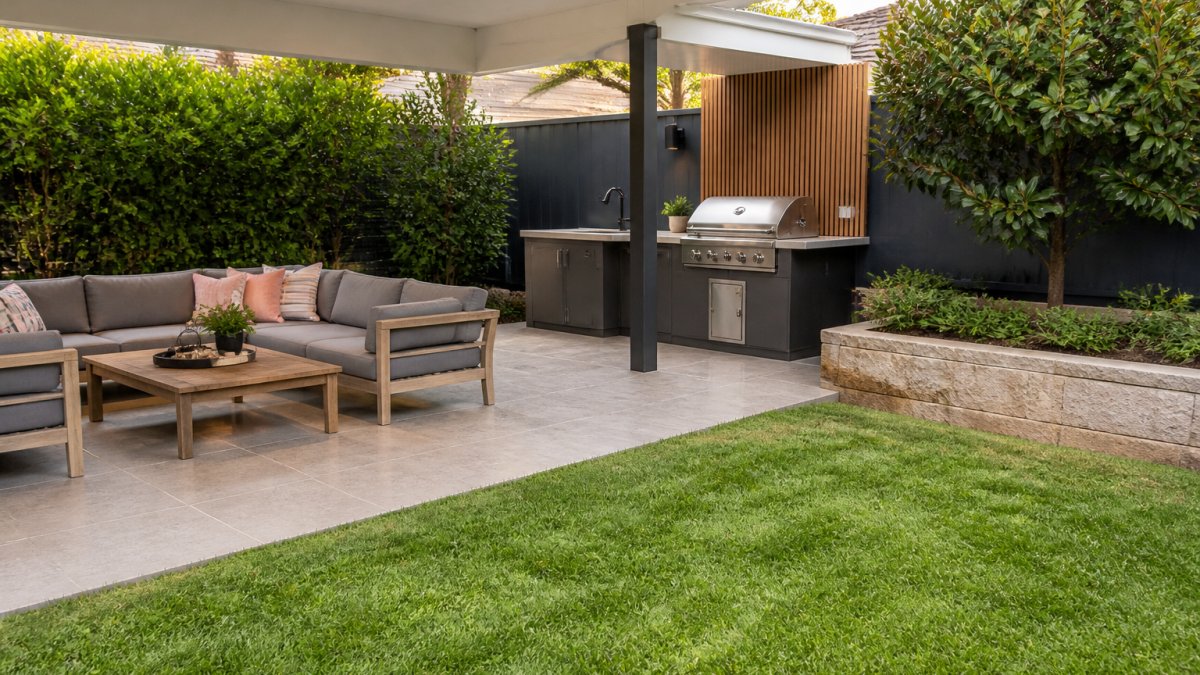
A well-designed low-maintenance family entertainment area starts with thoughtful layout planning. The best designs divide your space into distinct zones that serve different purposes: dining, relaxation, and play.
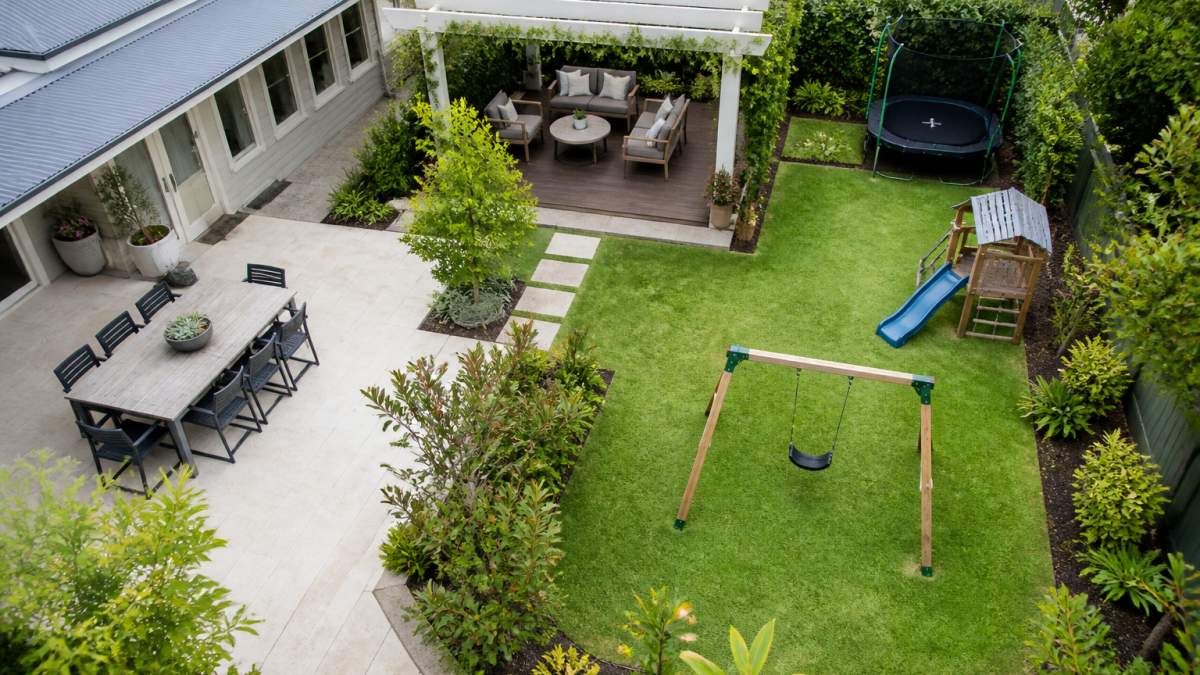
Think of your backyard as a functional landscape rather than empty lawn. Each zone should flow naturally from one to the next, creating a cohesive outdoor living experience. Families who plan these zones upfront can often avoid costly redesigns later.
Define your zones: dining, relaxation, and play
Start by identifying where each activity will happen. Your dining zone needs a level, sheltered spot close to the house. A relaxation area works best with good views and afternoon shade. Play zones should sit where parents can see them easily from inside or from seating areas.
The spacing between zones matters. A dining table positioned 3-4 metres from a play area lets adults supervise while eating. Pathways connecting zones should be wide enough for safe movement, especially if you have young children or plan to use the space for gatherings.
Consider how your family actually uses the backyard. Do kids need space to run? Will you host dinners? Do you want a quiet corner for reading? Your answers shape everything that follows.
Consider sight lines and supervision
Sight lines are critical for family safety. Position play equipment where you can see it from the house, the dining area, and relaxation seating. This reduces the need to constantly move around to check on children.
Avoid creating hidden corners or areas blocked by dense planting. Clear sightlines also make the space feel larger and more connected. Paths should be direct and unobstructed so children can move safely between zones.
If your yard slopes, use grading to your advantage. Higher seating areas naturally overlook lower play zones, making supervision effortless.
Step 2: Choose Durable, Low-Maintenance Materials
Material selection determines whether your family entertainment area stays attractive or becomes a maintenance burden. The right choices withstand weather, foot traffic, and years of family use without constant upkeep.
Decking and paving options that withstand weather
Paving and decking form the foundation of your entertainment zones. In Sydney's climate, materials must handle summer heat, winter moisture, and occasional salt-laden winds if you're closer to the coast.
Concrete paving is durable and affordable. Sealed concrete resists staining and requires minimal maintenance, just occasional sweeping and washing. Porcelain pavers offer a premium look and excellent durability, though they cost more upfront.
Timber decking adds warmth and visual appeal, but requires regular treatment to resist rot and weathering. If you choose timber, hardwoods like spotted gum or blackbutt last longer than softwoods.
For play areas, consider permeable paving or rubber surfaces. These absorb impact, reduce puddles after rain, and provide safer landing zones under climbing equipment.
Ground covers and lawn alternatives
Lawn is the traditional choice, but it demands regular mowing, watering, and fertilising. For a low-maintenance approach, consider alternatives.
Native groundcovers like pigface or creeping myrtles thrive in Sydney conditions with minimal water once established. They suppress weeds, reduce mowing, and support local wildlife. Mulch or gravel areas work well in shaded zones where grass struggles.
If you keep lawn, choose a hardy variety suited to your local climate. Buffalo grass tolerates shade better than kikuyu. Zoysia handles salt spray if you're in coastal areas. Reduce lawn area by half and you cut maintenance time by more than half.
Step 3: Design a Family-Friendly Backyard with Safety in Mind
Safety underpins every design decision for a family entertainment area. Hazards aren't always obvious, but thoughtful planning eliminates most risks.
Play areas and equipment placement
Play equipment should sit on impact-absorbing surfaces. Rubber mulch, engineered wood fibre, or impact-absorbing mats reduce injury risk when children fall. Hard surfaces like concrete or pavers directly under equipment are unsafe.
Space equipment apart so children can't collide while playing. A climbing frame and swing set need at least 2 metres between them. Position equipment away from fences, walls, and overhead hazards like low-hanging branches.
Check that equipment suits your children's ages. Toddlers need different play features than primary school children. As kids grow, their needs change, so design flexibility into your layout.
Inspect equipment regularly. Loose bolts, cracked wood, and rust are common hazards. If you install permanent structures, plan for regular maintenance checks.
Fencing, pathways, and supervision sightlines
Fencing secures the space and defines boundaries. If you have young children, fully fenced yards prevent wandering onto neighbouring properties or streets. Fencing also creates privacy and reduces noise for neighbours.
Pathways should be smooth and even to prevent trips. Avoid loose gravel in high-traffic areas. Raised edges on garden beds create tripping hazards, especially for toddlers and elderly visitors.
Good lighting helps supervise the space as evening falls. Motion-activated lights near pathways improve safety without harsh glare. Position lights so you can see play areas clearly from the house.
Step 4: Manage Backyard Drainage Solutions
Poor drainage ruins entertainment spaces. Water pooling in dining areas or play zones makes them unusable and creates safety risks. Proper grading and permeable surfaces prevent these problems.
Preventing water pooling in entertainment areas
Slope your paving gently away from the house and toward garden beds or drainage areas. A 1-in-100 slope (1 metre drop per 100 metres) is barely noticeable but effective. This simple grade prevents water from sitting on hard surfaces.
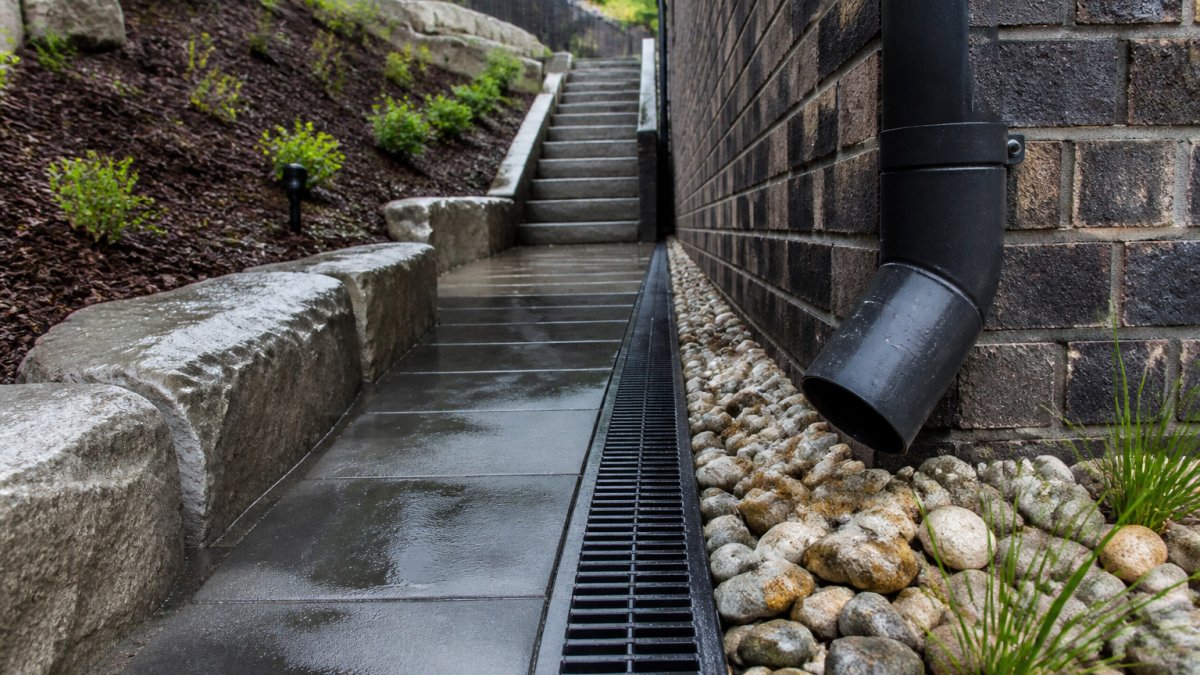
In low-lying areas, consider French drains or swales. These shallow, vegetated channels direct water away from entertainment zones without looking like infrastructure. Swales planted with native grasses or sedges blend naturally into the landscape while managing runoff.
If your site has poor drainage naturally, raised paving or decking lifts entertainment areas above water. This also improves views and makes the space feel more defined.
Grading and permeable surfaces
Permeable paving lets water drain through rather than pooling on top. Permeable concrete, porous asphalt, or gravel-filled pavers reduce runoff while maintaining a usable surface. They're especially useful in play areas where drainage matters for safety and usability.
Grade garden beds slightly higher than paving so water flows toward planting rather than pooling. This also keeps plant roots from sitting in waterlogged soil.
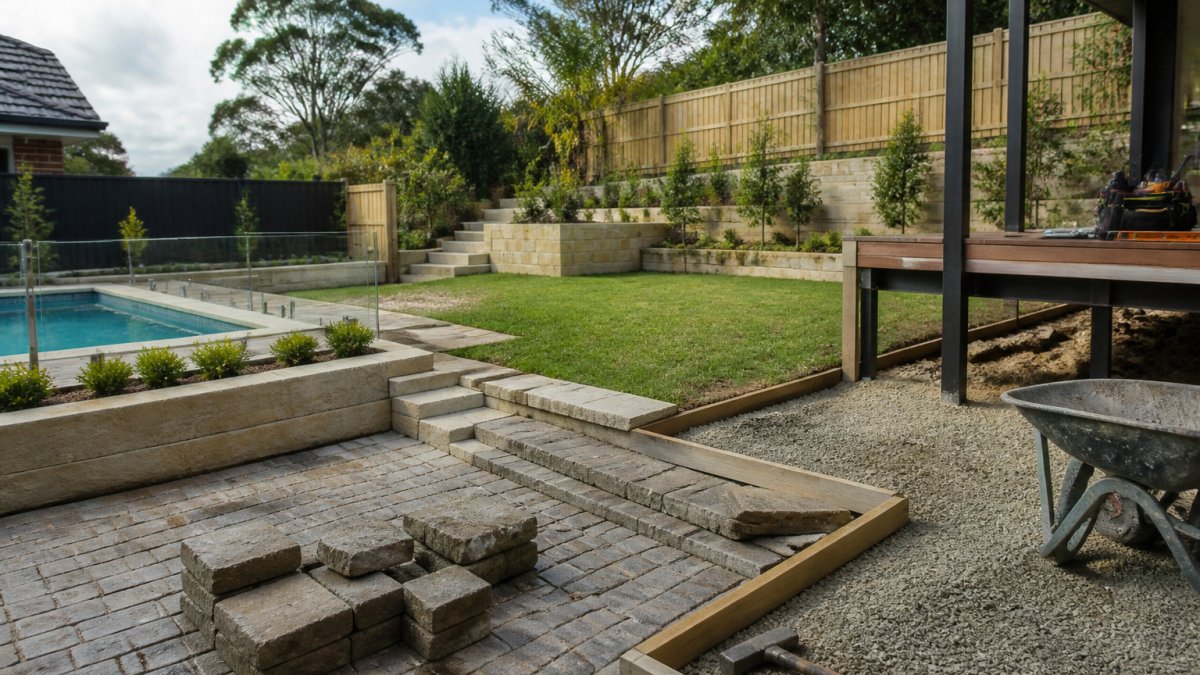
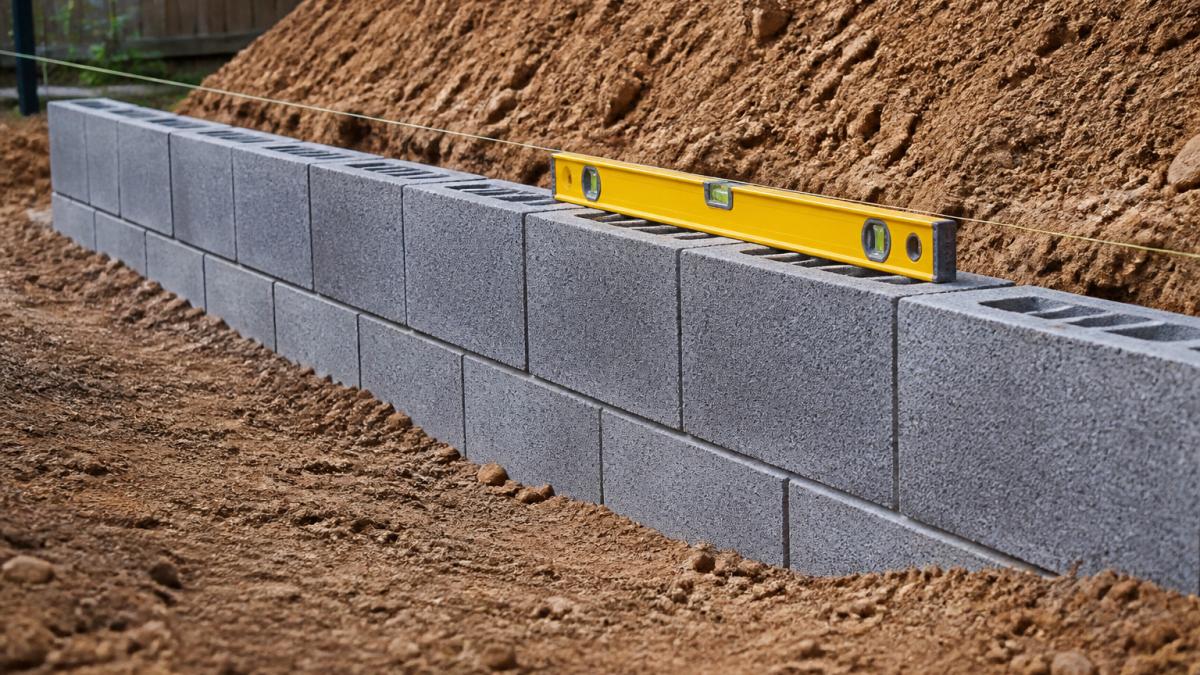
If your property has a natural slope, work with it rather than against it. Terracing with retaining walls creates level entertainment zones while managing water flow downhill. Proper drainage design is essential before you build, fixing it later is expensive and disruptive.
Step 5: Add Shade and Weather Protection
Shade transforms an outdoor space from uncomfortable to inviting. Without it, families retreat indoors during peak heat.
Pergolas offer permanent shade structures that frame views and create defined spaces. Open-sided designs let breezes through while filtering direct sun.
Shade sails are affordable and adjustable. You can remove them seasonally or angle them to capture winter sun while blocking summer heat. They require anchor points but don't need deep foundations.
Trees provide the most natural shade. Deciduous trees lose leaves in winter, letting warmth in when you need it. Evergreens offer year-round protection but cast deeper shadows.
Large umbrellas suit dining areas and provide flexibility. You can move them as the sun shifts or remove them when not needed.
Step 6: Plan Lighting for Evening Use
Good lighting extends your entertaining hours and improves safety. Without it, your space becomes unusable after sunset. Effective lighting balances visibility with ambiance.
Ambient lighting illuminates pathways and entertaining zones without harsh glare. Low-voltage LED lights along pathways prevent trips and guide movement.
Task lighting focuses on functional areas. Lights above dining tables should be bright enough to see food and faces clearly. Dimmable options let you adjust mood as evening progresses.
Accent lighting highlights landscape features. Uplighting on trees, downlighting on water features, or spotlighting on architectural elements add visual appeal.
Solar lights require no wiring and suit informal garden areas. They're affordable and easy to install, though brightness is limited compared to mains-powered options.
Step 7: Select Plants and Establish a Maintenance Schedule
Plant selection determines how much work your low-maintenance family entertainment area actually requires. The wrong plants demand constant watering, pruning, and pest management.
Climate-suitable plants and allergen considerations
Sydney's climate suits many plants, but local species always perform best. Native shrubs like leptospermum, westringia, and grevillea thrive with minimal water once established. They're tough, attractive, and support local birds and insects.
Consider allergens if family members have hay fever or pollen sensitivity. Avoid heavily flowering plants during peak pollen season. Plants like cypress pines and some grasses trigger allergies in susceptible people.
Group plants by water needs. Drought-tolerant species should be separate from plants that need regular moisture. This lets you water efficiently, dry-climate plants need less attention, reducing overall maintenance.
Avoid aggressive spreaders that escape garden beds and colonise lawn. Some ornamental grasses and vines become weeds if not contained. Stick to well-behaved species that stay where you plant them.
Whole-life maintenance and seasonal care
Plan for seasonal maintenance from the start. Spring requires pruning, mulch refreshing, and weed control. Summer means regular watering if plants are newly established. Autumn brings leaf drop and garden cleanup.
Mulch is your secret weapon for low maintenance. A 75mm layer of wood chip around plants suppresses weeds, retains moisture, and regulates soil temperature. Refresh mulch annually as it breaks down.
Water deeply but infrequently to encourage deep root systems. New plants need regular watering for the first 12 months. Established plants should need supplementary watering only during extended dry spells.
Prune strategically to maintain shape and size. Overgrown plants look unkempt and create safety hazards. Annual pruning keeps plants compact and healthy. Avoid heavy pruning that stresses plants, light, regular pruning works better.
Common Mistakes to Avoid
Underestimating maintenance demands is the most common mistake. Beautiful gardens require ongoing care.
Cramming too much into limited space creates a cluttered, unsafe feeling. Fewer, larger features work better than many small ones.
Ignoring drainage during design leads to expensive fixes later. Waterlogging damages paving, creates mud, and makes spaces unusable. Spend time on grading and drainage upfront.
Choosing plants without considering their mature size is costly.
Neglecting sight lines for safety is dangerous. Hidden areas invite accidents and make supervision impossible.
Selecting non-local plants that struggle in Sydney's climate wastes money and effort. Stick with species proven to thrive in your region.
Creating a low-maintenance family entertainment area requires balancing thoughtful design with practical material choices.
If you're planning a significant backyard transformation, professional landscape design can save time and money. At FDSS Landscaping Services, we work with homeowners across the Hills District and North-West Sydney to design and build outdoor entertainment areas tailored to each property's unique conditions and your family's lifestyle.
Ready to transform your backyard?
Frequently Asked Questions
What are the best low-maintenance materials for a family entertainment area?
Composite decking, porcelain pavers, and permeable paving require minimal upkeep compared to timber or natural stone. Synthetic turf or drought-tolerant ground covers reduce mowing and watering. Concrete and sealed paving are durable and easy to clean. Choose materials suited to your climate and usage patterns; a professional landscape designer can advise on what works best for your property and maintenance capacity.
How do I prevent water pooling in my outdoor entertainment area?
Proper grading is essential. The ground should slope away from structures at a minimum gradient to direct water to drainage points. Permeable paving allows water to drain through, reducing surface pooling. In problem areas, consider installing drainage systems or swales to channel water safely. Site conditions vary significantly, so have your landscaper assess your specific drainage needs and recommend solutions tailored to your property.
What safety features should I include in a family-friendly backyard design?
Install secure fencing around play equipment, ensure clear sight lines from the house to play zones, and maintain adequate spacing between equipment. Remove hard edges where possible and use soft fall surfaces under climbing equipment. Check that pathways are even and well-lit. Age-appropriate equipment and regular maintenance prevent injuries. Requirements vary by site, so discuss safety priorities with your landscaper during the design phase.
How often will I need to maintain a low-maintenance family entertainment area?
Maintenance depends on your material and plant choices. Hardscape areas (paving, decking) need occasional cleaning and inspection. Lawn or turf requires regular mowing and watering during dry periods. Native or drought-tolerant plants need less frequent watering once established. Lighting and drainage systems need seasonal checks. A professional landscaper can create a maintenance schedule tailored to your space and help you understand the whole-life costs of your design choices.