 how-to
7 Natural Stone Paving Choices for Sydney Outdoors
Table of Contents
- How to Compare Natural Stone Paving Options
- Granite, Sandstone, Limestone and Travertine Compared
- Travertine Pavers Pros and Cons for Entertaining Areas
- Slip-Resistant Outdoor Stone Paving: What Actually Works
- Natural Stone Pavers for Pool Surrounds
- Natural Stone Paving Maintenance by Stone Type
- Base Preparation and Drainage That Keep Stone Stable
- Request a Paving Quote for Your Project
- Frequently Asked Questions
Last Updated: October 28, 2026
How to Compare Natural Stone Paving Options
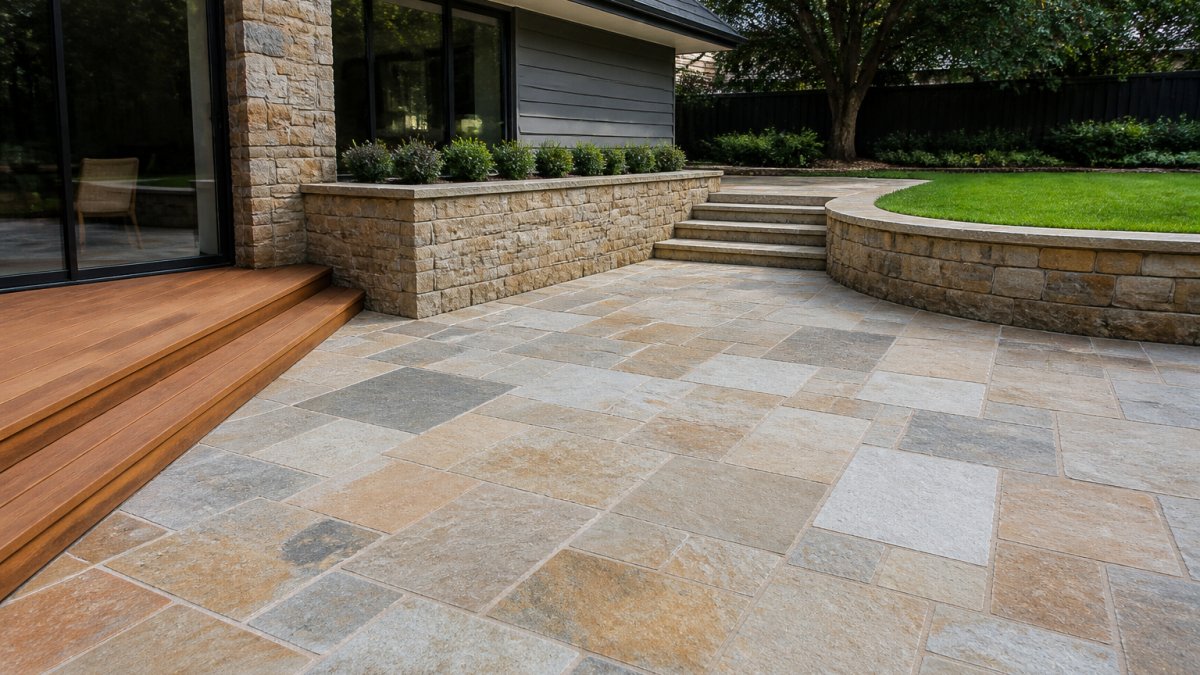
Natural stone paving means cutting and laying quarried rock, granite, sandstone, limestone or travertine, as an exterior floor surface. Unlike manufactured pavers, every slab carries the character of its quarry. The same question comes up when choosing stone for courtyards, pool surrounds and garden paths: which stone actually suits this site?
Below, we break down how to choose natural stone for outdoor paving using four practical criteria, compare the main options, and explain what installation and care each demands.
The Four Criteria That Decide the Right Stone
Four practical questions can help guide the choice beyond colour.
- Durability and wear: how the surface handles foot traffic, furniture legs and grit underfoot over time.
- Water behaviour: how much moisture the stone absorbs, and what that means for staining and slip.
- Climate fit: how the stone copes with heat, sun exposure and heavy rain cycles.
- Maintenance appetite: how much sealing, cleaning and re-finishing you are prepared to do.
Granite, Sandstone, Limestone and Travertine Compared
Granite, sandstone, limestone and travertine differ in colour, texture and other properties. The table below compares them across several criteria.
| Stone | Hardness and Wear | Water Absorption | Slip Behaviour (textured finish) | Heat Underfoot | Best For | Care Level |
|---|---|---|---|---|---|---|
| Granite | Very high | Low | Good when bush-hammered or flamed | Moderate to high (dark colours) | High-traffic paths, driveways, steps | Low |
| Sandstone | Moderate | Moderate to high | Good when sawn or sandblasted | Low to moderate (light tones) | Courtyards, garden paving, pool surrounds | Moderate |
| Limestone | Moderate | Moderate | Good when honed or brushed | Low (pale tones) | Sheltered patios, formal areas | Moderate |
| Travertine | Moderate | Moderate to high | Good when tumbled or unfilled | Low to moderate | Pool surrounds, entertaining areas | Moderate to high |
How to Read the Numbers Behind the Table
Stone can be compared using measurable properties. Knowing what to ask about can help when speaking with a supplier.
- Water absorption: expressed as a percentage of dry weight. Lower absorption generally means less staining and better frost and salt resistance. Ask your supplier for the absorption figure for the specific stone and finish, not just the stone type.
- Abrasion resistance: often reported as a wear resistance value. Higher resistance suits high-traffic areas such as driveways and entertaining spaces.
- Flexural strength: how much bending the stone tolerates before cracking. This matters for pavers laid over suspended slabs or on bearers.
- Slip resistance: measured by test methods referenced in Australian Standards for pedestrian surfaces. Ratings vary by product and finish, and the required rating depends on the application and the relevant authority. Always ask for the wet slip rating of the exact finish you are considering.
A stone's properties and the conditions where it will be used are factors to consider alongside its price. Compare the options for your project, not just the ticket price.
A Decision Framework for Your Project
Work through these questions in order. The first one that rules a stone out usually settles the choice.
- How hard will it be used? Driveways, busy paths and steps favour granite. Courtyards and garden paving open up sandstone, limestone and travertine.
- Will it stay wet? Pool surrounds and shaded, damp areas need a textured finish and a stone that tolerates repeated wetting. Light sandstone, travertine and pale limestone all work when finished and sealed appropriately.
- How much heat will it take? Dark granite and dark basalt absorb heat and can become uncomfortable underfoot in full sun. Pale limestone, sandstone and travertine stay cooler.
- What maintenance will you actually do? If the answer is "as little as possible", granite is the safer call. If you are happy to reseal periodically, the softer stones reward you with warmer colour and texture.
- What is the budget? Granite tends to sit at the top of the range, with sandstone, limestone and travertine generally more accessible. Confirm current pricing with your supplier, as it varies by source, thickness and finish.
Granite: Hardest Wearing, Least Forgiving on the Wallet
Granite is an igneous stone. Its colour range includes greys, blacks and speckled tones.
Sandstone: The Local Favourite With Colour to Spare
Sandstone is a sedimentary stone with warm honey, cream and pink tones. Its properties and suitability depend on the project and site.
Limestone and Travertine: Softer Tones, Different Care
Limestone is a sedimentary stone. Travertine has natural voids and banding that give it a textured appearance. For a broader comparison of stone against timber, composite and concrete, see our guide to choosing materials for outdoor living areas.
Travertine Pavers Pros and Cons for Entertaining Areas
Travertine pavers pros and cons come down to comfort versus upkeep. Travertine stays relatively cool underfoot compared with darker stones, its textured surface offers grip when wet, and its banded appearance gives a patio real character. Against that, the open surface can trap dirt, it needs sealing to slow staining, and acidic spills such as wine or citrus can mark it if left sitting. For a covered entertaining area with regular sealing, it works well; for a hard-used, uncovered space where nobody wants to think about maintenance, granite is the safer call.
Slip-Resistant Outdoor Stone Paving: What Actually Works
Slip resistance is a consideration when selecting outdoor paving. Properties vary by stone and finish.
When considering paving for a wet area, ask the supplier about the finish and its slip rating. Requirements depend on the site and relevant authority.
Natural Stone Pavers for Pool Surrounds
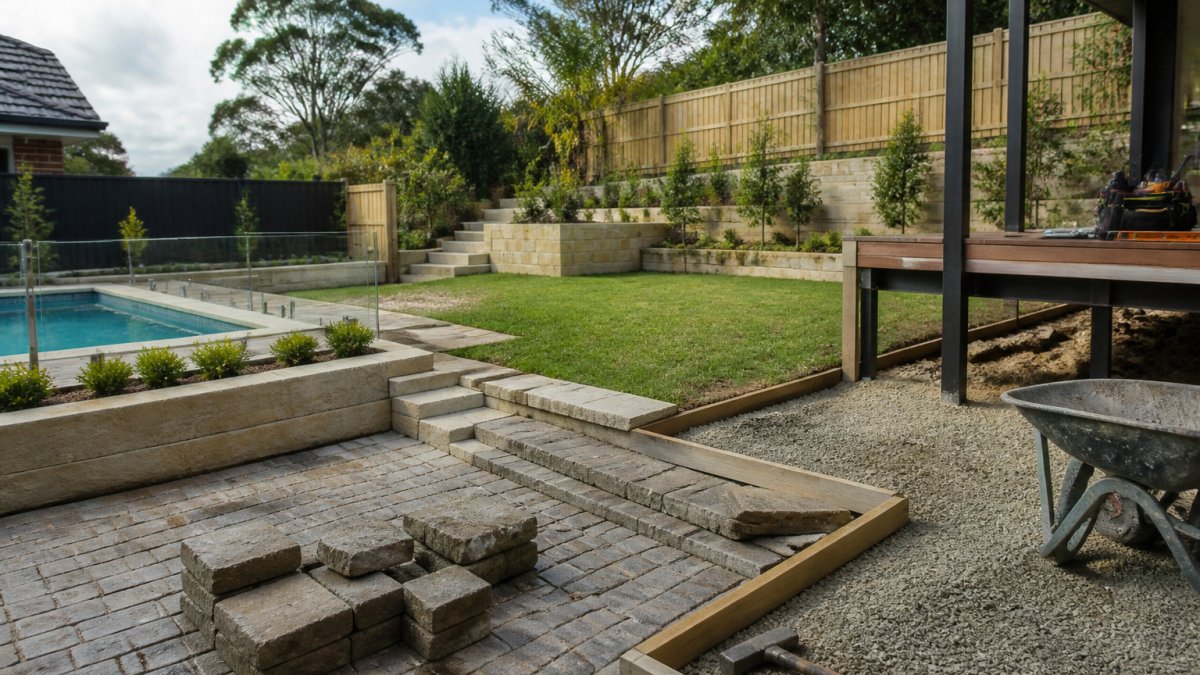
When considering natural stone pavers for pool surrounds, assess the finish, colour and the site's conditions.
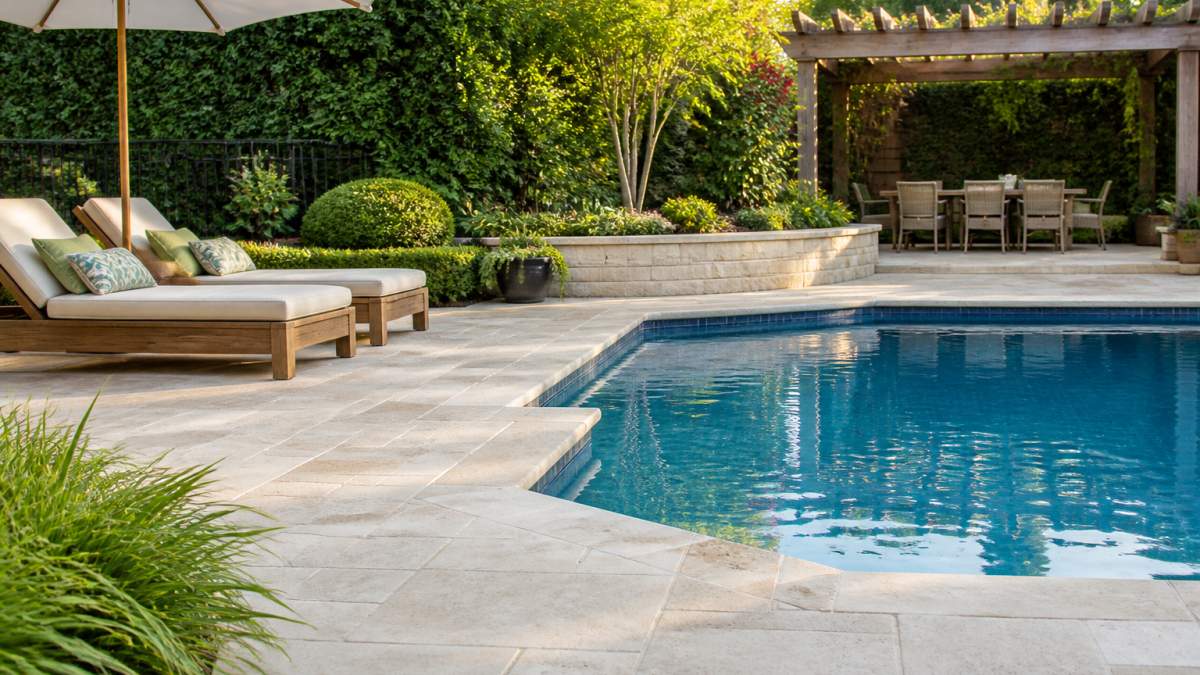
Pool coping and surrounding paving should be considered as part of the site's drainage design. Our paving services cover paving.
Natural Stone Paving Maintenance by Stone Type
- Granite: minimal care, occasional reseal, resists most staining.
- Sandstone: reseal more often, watch for moisture staining, clean with pH-neutral products.
- Limestone: avoid acidic cleaners, reseal regularly, blot spills rather than scrubbing.
- Travertine: clean voids gently, reseal to slow staining, address acidic spills immediately.
Base Preparation and Drainage That Keep Stone Stable
Base preparation and drainage are considerations when planning a stone patio. The appropriate approach depends on the site and project.
The Layers Under a Stone Patio
- Subgrade: the natural soil, stripped of organic matter and compacted. Soft spots need to be removed and replaced, not paved over.
- Sub-base: compacted road base or crushed rock, typically laid in layers and compacted to a specified density. This is the structural layer that spreads load and stops movement.
- Bedding layer: a thin, even layer of bedding sand or a mortar bed, depending on the laying method. It levels the pavers and provides a uniform bearing surface.
- Pavers: the stone itself, laid to the chosen pattern with consistent joint widths.
- Jointing: sand, mortar or a proprietary jointing product, depending on the method and the stone.
- Edge restraint: a concrete or timber edge, or a soldier course, that stops the pavers spreading outward under load.
Gradients and Fall
Drainage is a consideration when planning paving. The appropriate approach depends on the surface, drainage strategy and site, and should be confirmed with your builder or designer.
Drainage Details That Prevent Pooling
- Surface drainage: falls that direct water to a drainage line, garden bed or stormwater connection.
- Subsurface drainage: ag-line or slotted pipe in a gravel trench to collect water that gets under the paving.
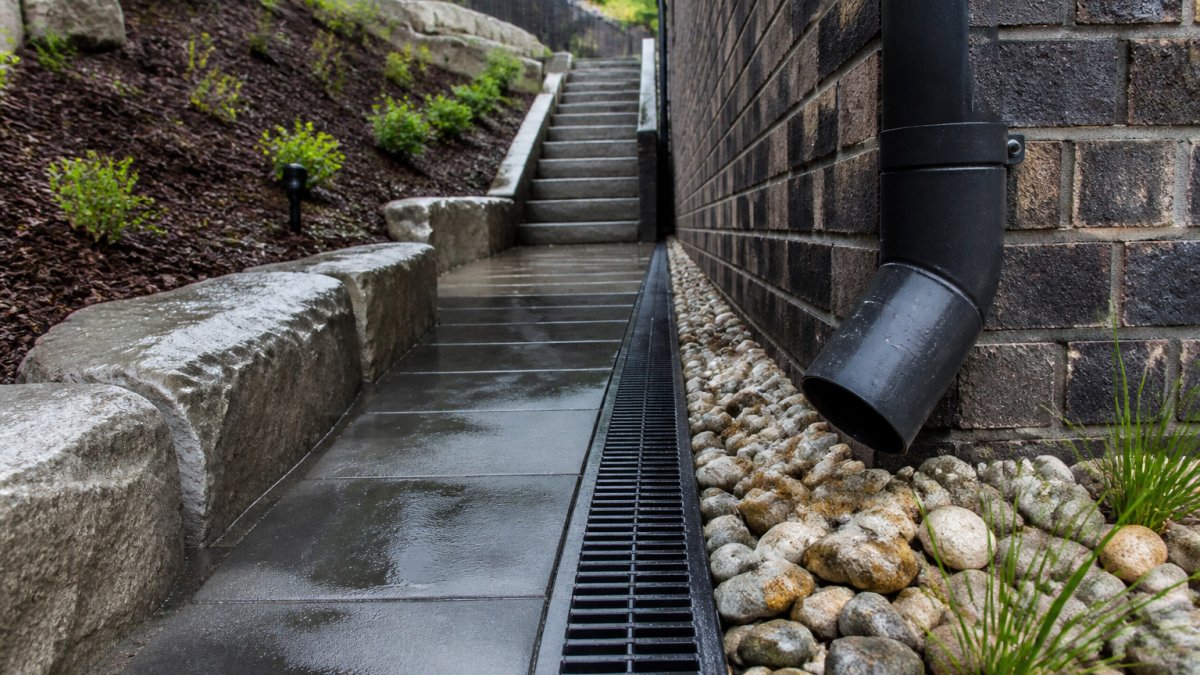
- Grates and pits: strip drains or pits at low points, connected to the stormwater system.
- Permeable joints: some jointing products allow water to pass between pavers, which suits certain applications but is not a substitute for proper fall and drainage.
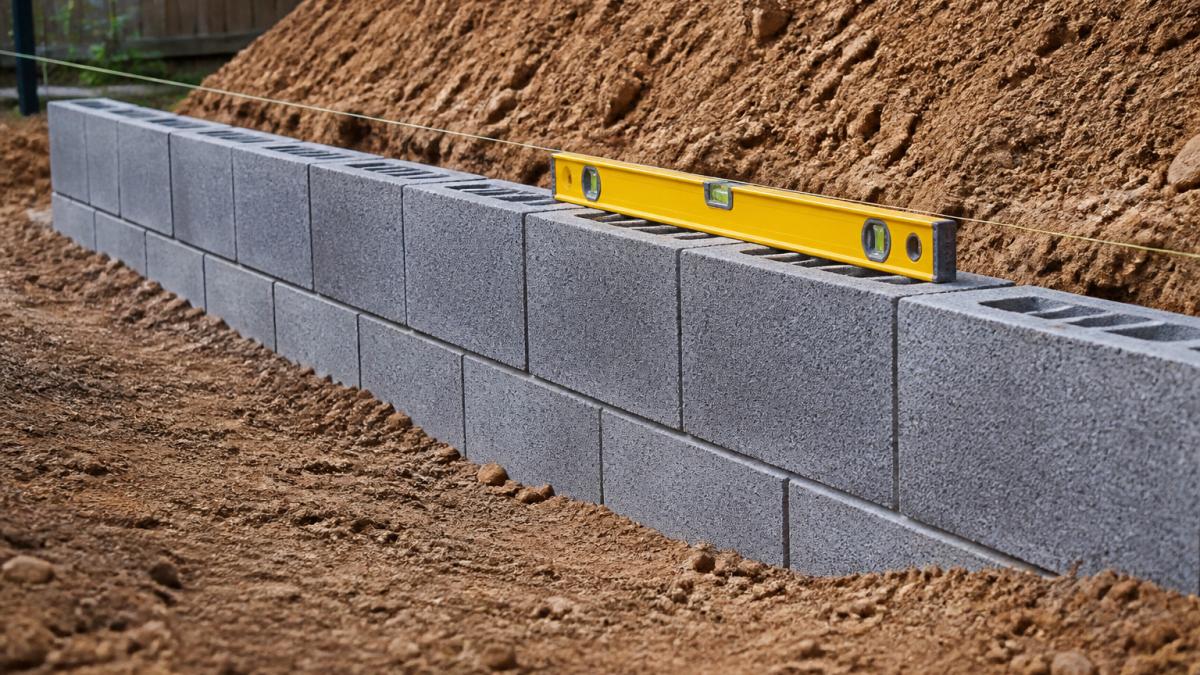
On sloping blocks, retaining walls may be considered alongside paving. Requirements vary by site and council, so confirm specifics with your local authority before construction.
Jointing and Movement
If you are planning a paving project, request a quote.
Request a Paving Quote for Your Project
Choosing natural stone for outdoor paving involves considering the stone's properties and how you plan to use the space.
If you are weighing up materials, read our guide on how to choose durable paving for Sydney backyards. When you are ready to move, request a quote.
Frequently Asked Questions
Which natural stone is best for outdoor paving?
There is no single best stone; the choice depends on the site and project. Consider how the space will be used and compare the available options before committing.
Is sandstone or travertine better for outdoor paving?
Sandstone and travertine differ in appearance and properties. Consider the site and how the space will be used when comparing them.
Does natural stone paving need to be sealed?
Whether natural stone paving needs sealing depends on the stone and project. Ask your supplier about the specific stone and any care recommendations.
Can natural stone pavers be used around a pool?
Natural stone pavers can be considered for pool surrounds. The choice of stone, finish and drainage approach depends on the site and project; ask the relevant supplier or professional about the options.
Ready to turn your outdoor area into a space that lasts? At FDSS Landscaping Services, we handle landscape design, paving and construction as one integrated team, from concept and 3D design through to completion. Get started with FDSS Landscaping Services and build a patio you will enjoy for years.