 ultimate-guide
Planning a Water-Wise Garden Design in Kellyville
Quick Summary
A water-wise garden is designed by matching plants, soil and layout to the water a site actually receives. Start by assessing sun, wind, slope and soil type, then prepare the soil, select drought-tolerant plants grouped by water need, and plan zoned irrigation with mulch. Kellyville's heavier clay soils make this planning especially important.
- Test drainage by filling a 30 centimetre hole with water and timing how long it takes to empty.
- Loosen compacted areas to at least 20 centimetres and mix in compost or well-rotted organic matter.
- Group plants into low, moderate and higher water bands before buying anything.
- Water each zone on its own schedule, running zones in sequence to keep pressure even.
- Apply organic mulch 75 to 100 millimetres deep, keeping it clear of plant stems.
Table of Contents
- How a Water-Wise Garden Design Works From Start to Finish
- Reading Your Site: Sun, Wind, Slope and Kellyville Soils
- Assessing Soil Type and Drainage
- Soil Preparation for Water-Wise Gardens
- Choosing Drought-Tolerant Plants for Gardens in Kellyville
- Garden Irrigation Planning and Mulching
- Water-Wise Garden Ideas and Layout for Your Outdoor Space
- Request a Water-Wise Garden Design Quote for Your Kellyville Property
- Frequently Asked Questions
Planning a Water-Wise Garden Design in Kellyville
Last Updated: November 6, 2026
How a Water-Wise Garden Design Works From Start to Finish
Water-wise gardening is about matching plants, soil and layout to the water your site actually receives, so the garden stays green with less irrigation.
The workflow usually runs in five stages: assess the site, prepare the soil, select plants, plan irrigation and mulch, then build and establish the garden. Skipping the first two stages is the most common reason a garden needs far more water than it should.
A typical project starts with a site assessment, followed by concept design so you can see the garden before any work begins. You can also request a quote for landscaping and outdoor construction in the Hills District to discuss your site.
Reading Your Site: Sun, Wind, Slope and Kellyville Soils
Every water-wise plan starts with an honest read of the site. Sun exposure, wind, slope and soil type determine how quickly water is lost and where it pools, and those conditions vary even within a single backyard.
Look at how many hours of direct sun each bed receives, and note whether the western or northern side bakes in the afternoon. Wind dries out exposed areas faster, so a fence line or screen planting can reduce moisture loss considerably.
Kellyville properties often have heavier clay soils that hold water but drain slowly, while some newer developments have shallow topsoil over compacted fill. Knowing which of these applies to your block shapes every decision that follows.
Assessing Soil Type and Drainage
A simple test tells you a lot about your soil. Dig a hole roughly 30 centimetres deep, fill it with water, and let it drain. Refill it and time how long it takes to empty. If water is still standing after several hours, drainage is poor and the garden will need amendments or raised beds.
Clay soils feel sticky when wet and form hard clods when dry. Sandy soils feel gritty and drain almost instantly. Loam sits between the two and is the easiest to work with. Recognising which type you have tells you whether to add organic matter, grit or topsoil before planting.
Soil Preparation for Water-Wise Gardens
Soil preparation is the single biggest factor in how much water a garden will need. Well-structured soil with good organic content holds moisture where roots can reach it, while compacted or poorly structured soil sheds water and leaves plants thirsty.
Start by loosening compacted areas to at least 20 centimetres and incorporating compost or well-rotted organic matter. For heavy clay, add gypsum and organic matter together rather than sand alone, as sand can make clay behave like concrete.
Water-holding capacity improves over time as organic matter breaks down, so top up the soil with compost each season. Testing the soil pH and nutrient levels before planting avoids guesswork and helps plants establish faster.
Choosing Drought-Tolerant Plants for Gardens in Kellyville
Plant selection should follow the site, not the other way around. Drought-tolerant plants establish well in local conditions and need far less supplementary water once their roots are down.
A useful way to plan is to sort candidates into three water-need bands before you buy anything:
- Low water (establishment watering only): plants that should survive on rainfall once roots are down. Examples include westringia, grevillea, callistemon, lomandra, dianella, kangaroo paw and most ornamental grasses, which suit the outer, hotter and more exposed zones of a block.
- Moderate water: plants that need occasional deep watering through dry spells. Examples include native frangipani, bottlebrush, correa, rosemary and many Mediterranean herbs and shrubs. These work well in mixed beds and transition zones.
- Higher water: lawn, vegetable beds, citrus and flowering perennials that need reliable irrigation. Keep these close to the house, on a dedicated valve, and in the smallest area that still meets how you want to use the garden.
Match each plant to the sun and shade conditions you identified earlier. A shade-tolerant groundcover will struggle in full afternoon sun, and a sun-loving succulent will rot in a damp, shaded corner.
Check mature size and root behaviour before buying.
Watch out: buying plants in flower because they look good on the day often leads to poor establishment, because the plant puts energy into blooms rather than roots.
Grouping Plants by Water Needs (Hydrozoning)
Hydrozoning means placing plants with similar water needs in the same zone. A higher-water zone near the house might hold a small lawn or flowering perennials, while a low-water zone further out uses native shrubs and groundcovers that rarely need irrigation.
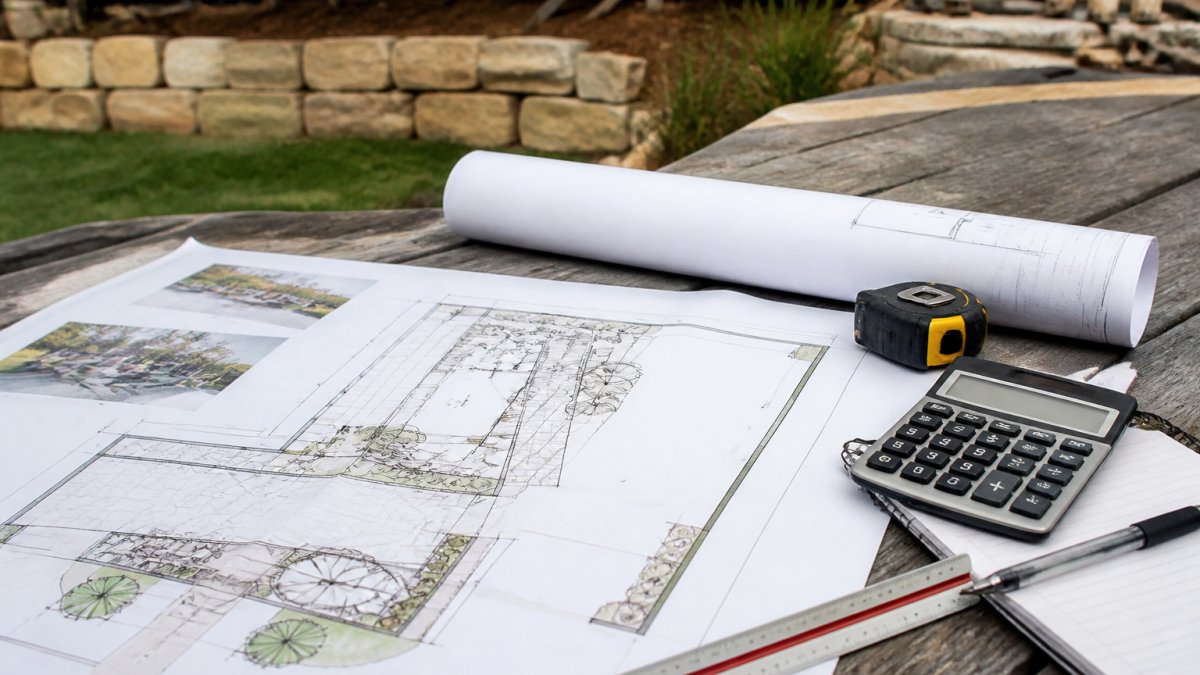
This grouping lets you water each zone on its own schedule, which avoids overwatering drought-tolerant plants to keep thirsty ones alive. Each zone can also be connected to its own valve and timer. When you plan the zones on paper first, the plant list, the irrigation layout and the mulch strategy all fall into place together.
Garden Irrigation Planning and Mulching
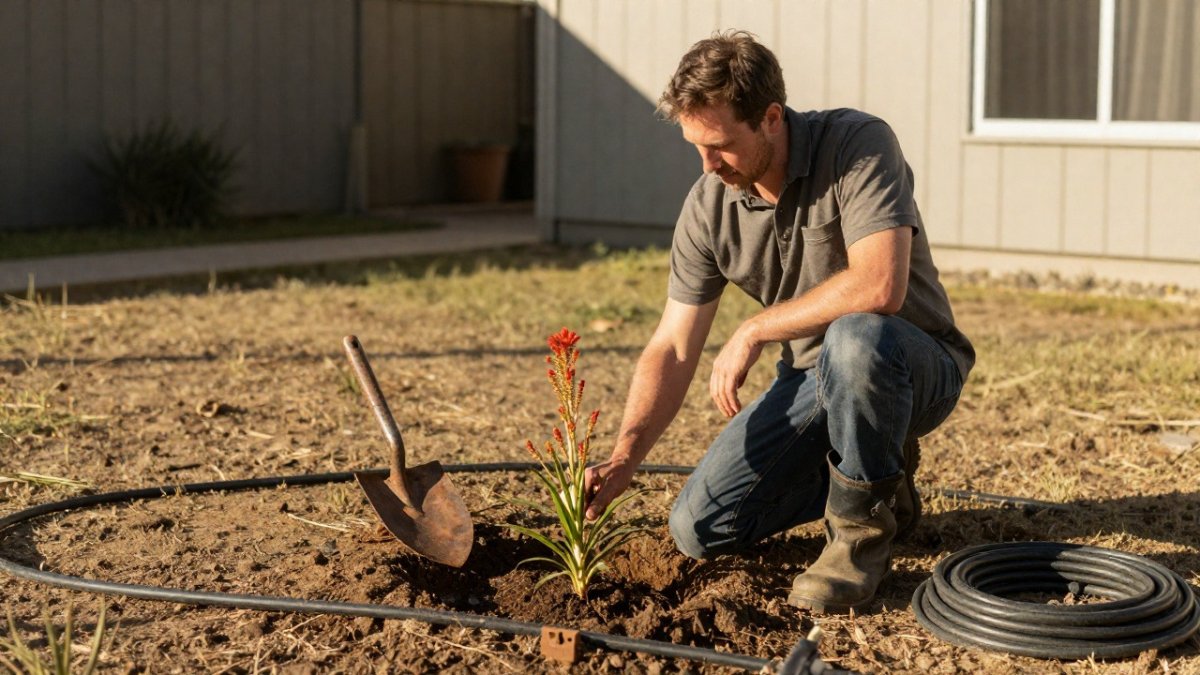
Irrigation should deliver water to the root zone slowly and in the right amounts. For a step-by-step look at the system itself, see our guide to installing efficient irrigation for Sydney garden beds.
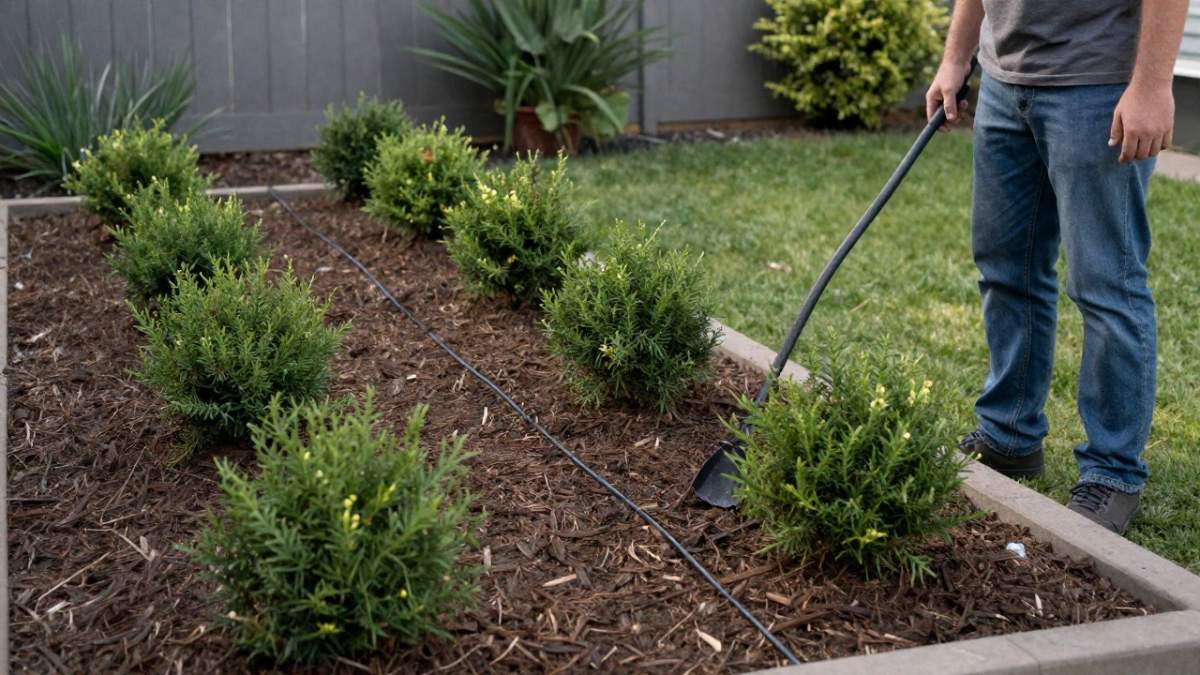
A practical approach to sizing and scheduling the system is to work zone by zone:
- Estimate demand per zone. Drip lines are usually rated in litres per hour per metre, and emitters in litres per hour each. Add up the output for a zone, then decide how long a run needs to be to deliver a deep soak rather than a surface sprinkle. Confirm the figures with your installer for the products specified.
- Set separate schedules. Low-water zones may need watering only through the hottest, driest spells, while lawn and vegetable beds need more regular runs. Separate valves and a multi-station timer make this possible.
- Add a rain sensor or soil moisture sensor. These stop the system running after rain, which is one of the simplest ways to cut waste without changing the planting.
- Check coverage with a simple test. Run a zone and see where water actually lands. Drip lines that have shifted, blocked emitters or overspray onto paving all waste water quietly.
- Track use against a baseline. Read your water meter before and after a change, or compare a billing period before and after the garden is established. This gives you a realistic sense of whether the design is delivering the reduction you planned for, rather than relying on guesswork.
Mulching is the other half of the strategy. Our guide to choosing the right mulch for Sydney soil conditions covers organic and inorganic options, application depth and seasonal care. If you would prefer ongoing help, garden maintenance services can keep mulched and irrigated beds in good condition.
Apply mulch to a depth of around 75 to 100 millimetres and keep it clear of plant stems to avoid rot. Refresh it each season, as mulch breaks down and needs topping up to keep working.
Watch out: running several stations at once can drop pressure and leave the far end of a zone underwatered. Run zones in sequence and check pressure at the furthest emitter.
The table below sums up the zone-by-zone irrigation steps covered above, so you can see what each stage involves and when to check it.
| Step | What to do | Timing or check |
|---|---|---|
| Estimate demand per zone | Add up drip or emitter output for each zone | Confirm figures with your installer |
| Set separate schedules | Water low-water zones only in hot, dry spells | Separate valves and multi-station timer |
| Add a rain or soil moisture sensor | Stops the system running after rain | Fit before the first season |
| Check coverage | Run a zone and see where water lands | Look for shifted lines and blocked emitters |
| Track use against a baseline | Compare water meter readings before and after | Compare a full billing period |
| Apply mulch | Lay organic mulch around plants, clear of stems | 75 to 100 millimetres deep, refresh each season |
Water-Wise Garden Ideas and Layout for Your Outdoor Space
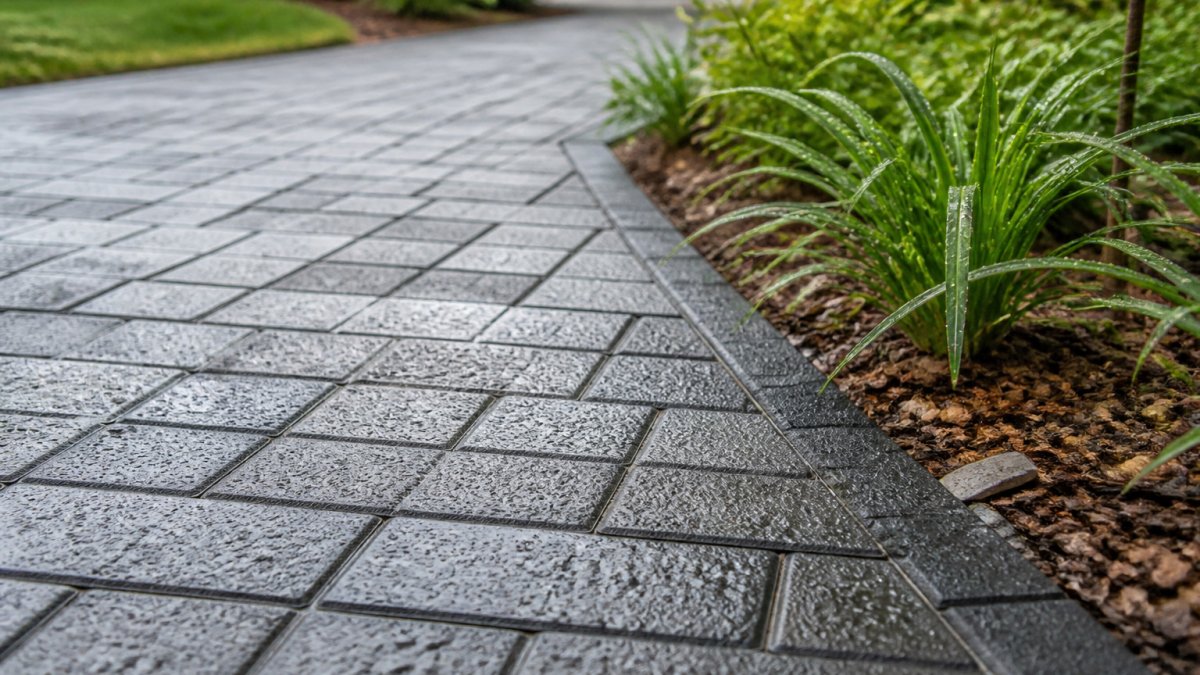
Good layout makes a water-wise garden look intentional rather than sparse. Curved beds, layered planting and clear paths create structure, while groundcovers and grasses fill space without demanding irrigation. Paving and gravel areas reduce the total area that needs watering, which is often the simplest way to save water.
Consider how the garden will be used. A family backyard may need a lawn and a shaded seating area, while a front garden may focus on a striking low-water display. Landscape design can map these uses onto the site so the water zones, pathways and planting fit together.
Request a Water-Wise Garden Design Quote for Your Kellyville Property
A water-wise garden is easier to get right when the design, soil work and irrigation are planned together from the start. FDSS Landscaping Services designs and constructs complete garden solutions across Kellyville and the wider Hills District, from the first site assessment through to planting and establishment.
If you are planning a new garden or renovating an existing one, request a landscaping quote from FDSS Landscaping Services to discuss your site, your budget and the design options that suit your property.
Frequently Asked Questions
How do I plan a water-wise garden?
Start by assessing your site: note how much sun and shade each area receives, where water pools after rain, and how wind moves across the block. Next, divide the garden into zones based on how much water each area needs, place high-use plants close to the house and low-water plants further out, and then choose plants and materials to suit. Finally, plan your irrigation and mulching before planting. Pricing and scope depend on the site, so request a quote from FDSS Landscaping Services to get a plan matched to your property.
Which plants are suitable for a water-wise garden?
Look for drought-tolerant and native species that suit local sun exposure and soil conditions. Plants with grey or silver foliage, deep root systems and a tolerance for dry periods typically perform well in Sydney gardens. Group them by water need so that thirsty plants are not watered alongside drought-tolerant ones. A landscape designer can recommend a palette that suits your exact aspect and soil.
How can I improve soil so it retains moisture?
Improving soil structure helps it hold water and release it to plant roots more evenly. Adding well-decomposed organic matter, such as compost, improves water-holding capacity in most soil types, and a layer of mulch on top reduces evaporation. Testing drainage before planting shows whether the soil is too heavy and pooling water, or too sandy and draining too quickly, which determines the right amendments.
What is the best way to group plants by watering needs?
Hydrozoning means placing plants with similar water requirements in the same zone. A high-water zone close to the house might include lawn or vegetables, a moderate zone could hold shrubs and perennials, and a low-water zone further out would use native or drought-tolerant plants. Grouping this way means each zone can be irrigated separately, which avoids overwatering the plants that need the least.
How do I plan irrigation for a water-wise garden?
Plan irrigation around your zones, using drip or low-volume systems for garden beds and separate lines for lawn areas. Set up a timer and check it seasonally, as water needs change through the year. Rainfall capture from roofs can supplement supply where it is practical. Installation details depend on your water supply and local requirements, so confirm them with your council or a qualified installer before work begins.
What should I consider when designing a garden for dry periods?
Consider how your garden will cope with extended dry weather as well as typical seasons. Plant establishment matters most in the first year, so plants need consistent watering until their roots are established. Hard surfaces such as paving can change how rainwater runs off and soaks in, so plan drainage carefully. Mulch, shade from structures or trees, and plant grouping all reduce the water your garden needs over time.