 ultimate-guide
Landscaping in Blacktown: Design, Build & Outdoor Living
Table of Contents
- What Professional Landscaping in Blacktown Involves
- The Landscape Design Process for Your Project
- Retaining Wall Construction Requirements and Best Practices
- Hardscaping, Paving and Outdoor Living Areas
- Site Preparation, Excavation and Drainage Solutions
- Turf Installation and Garden Establishment
- Council Approvals and Compliance for Landscaping Work
- Getting Your Landscaping Project Started
- Frequently Asked Questions
Last Updated: September 20, 2026
What Professional Landscaping in Blacktown Involves
Professional landscaping Blacktown is a complete transformation of outdoor space, from initial concept through to a finished garden that functions beautifully and stands the test of time. The process includes landscape design, hardscaping elements like paving and retaining walls, softscaping through turf and plantings, and the structural work needed to support it all.
A well-executed landscaping project requires coordination across multiple disciplines: site assessment, drainage planning, structural engineering for walls and steps, material selection, and skilled construction. FDSS Landscaping Services manages every phase, ensuring your vision translates into a durable, attractive outdoor space tailored to your property and lifestyle.
Landscaping work in Blacktown and across Greater Sydney must account for local soil conditions, rainfall patterns, and council requirements. Professional landscapers understand these variables and design accordingly.
The Landscape Design Process for Your Project
A structured design process saves money, reduces mistakes, and ensures you get exactly what you want.
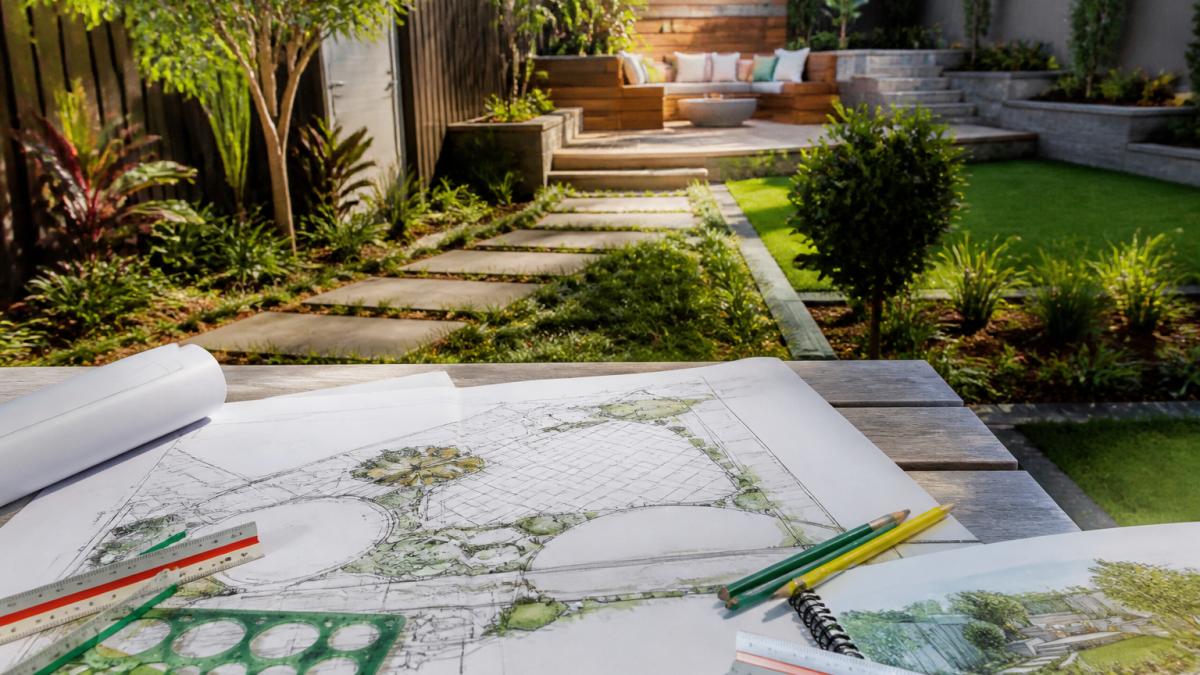
The first step is a detailed site assessment: understanding your property's existing features, soil type, drainage patterns, sun exposure, and views. We also discuss your lifestyle, budget, and priorities, whether you want an outdoor entertaining space, a low-maintenance garden, or native plantings. These conversations shape everything that follows.
From this assessment, we develop a landscape design that addresses your needs whilst working with your site's natural characteristics. 3D design visualisation helps you see the finished result before construction begins, allowing you to refine ideas and make confident decisions about materials and features.
Once the design is approved, we move to detailed planning for construction sequencing, material specifications, and any required council approvals.
Retaining Wall Construction Requirements and Best Practices
Retaining walls are critical structural elements that hold back soil, create level changes, and define garden character. They're complex to design and build correctly.
Height and load are the first considerations. A small wall holding back garden soil has different requirements than a tall wall supporting a sloping block. Walls above a certain height typically require engineering certification and council approval, which varies depending on the wall's location, height, and the soil it's retaining.
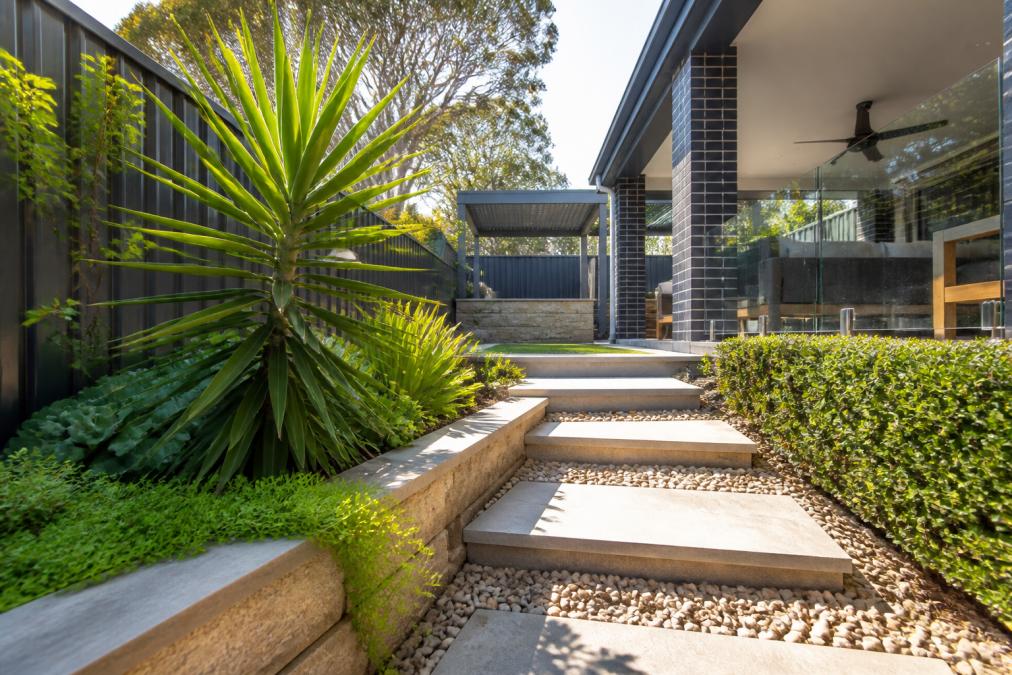
Material choice matters significantly. Timber, stone, brick, and concrete blocks each have different structural properties, aesthetic qualities, and longevity. Timber requires ongoing maintenance; stone and quality masonry offer durability and timeless appeal. The right choice depends on your site conditions, budget, and aesthetic goals.
Proper drainage behind the wall is essential. Without it, water pressure builds up and causes failure. Professional construction includes drainage solutions that protect both the wall and surrounding landscape.
Foundation depth is critical. A wall's foundation must extend below the frost line and into stable soil. Professional construction ensures foundations are adequate for your site conditions.
Hardscaping, Paving and Outdoor Living Areas
Hardscaping, the non-plant elements of your landscape, creates the framework for outdoor living. Paving, decking, pergolas, and outdoor structures define how you use your garden and influence its character.
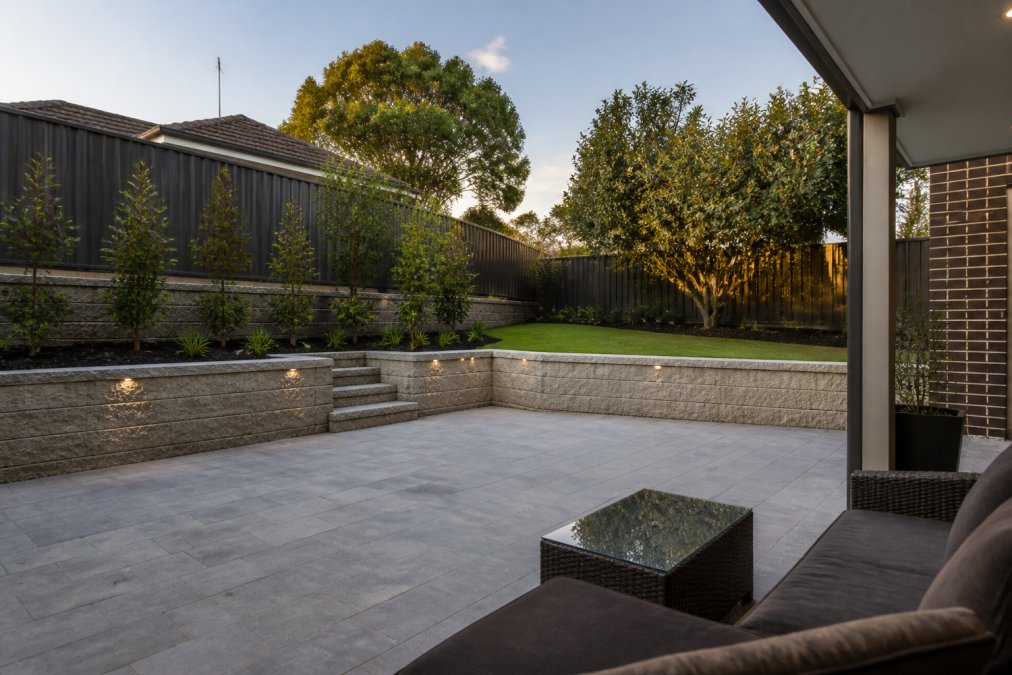
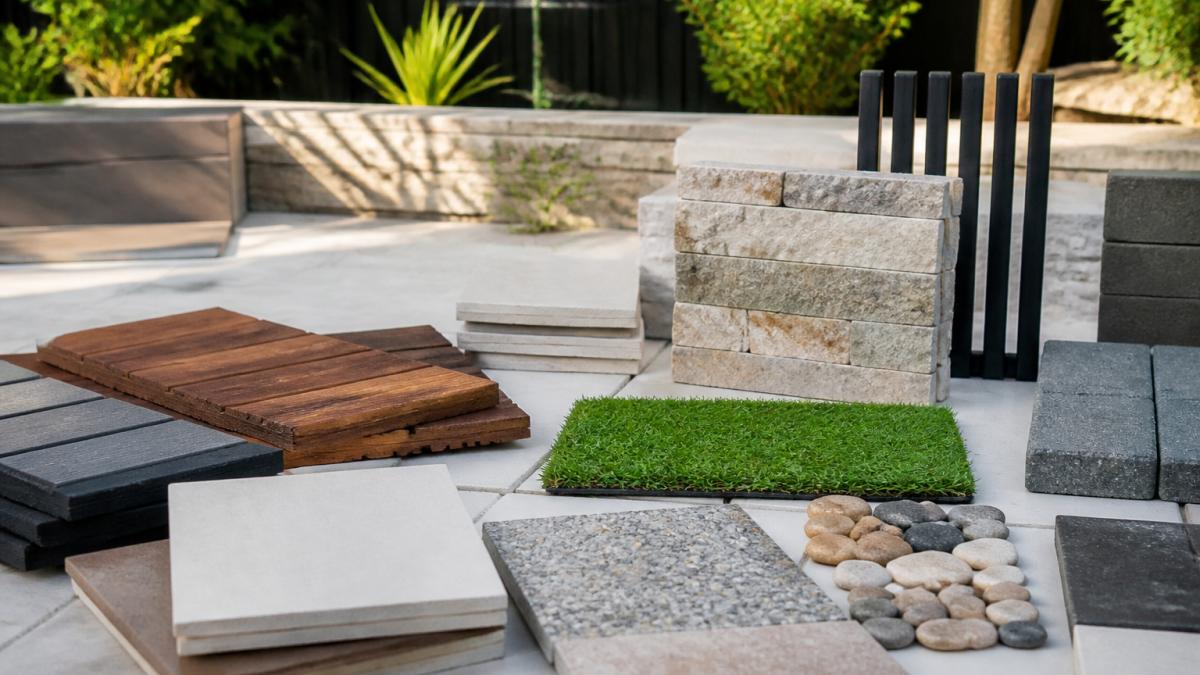
Paving options range from natural stone to concrete pavers, each with different aesthetics, durability, and maintenance. Natural stone offers timeless beauty but can be porous and require sealing. Concrete pavers are versatile, durable, and available in many colours. The choice depends on your style, budget, and how the paved area will be used.
A well-designed patio or entertaining space becomes a destination. This might include built-in seating, outdoor kitchens, pergolas for shade, or water features. These elements require thoughtful planning to work with your home's architecture and garden layout.
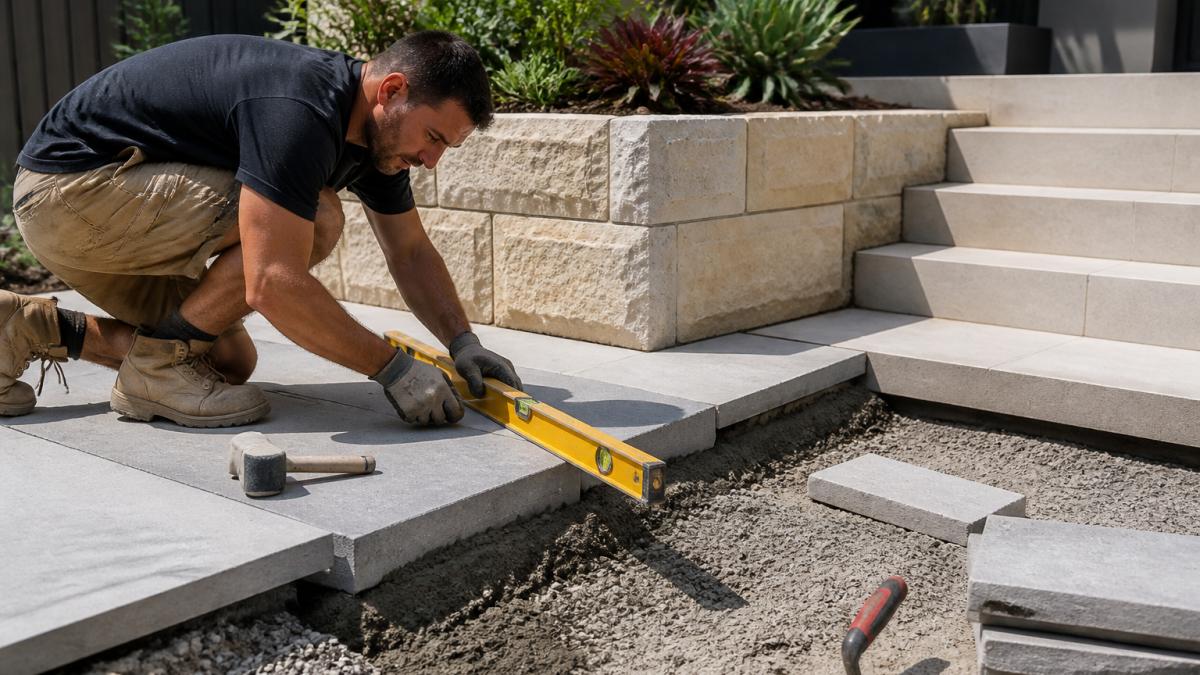
Proper hardscaping construction is essential for longevity. This includes appropriate base preparation, correct drainage slope, quality materials, and skilled installation. Professional construction ensures your outdoor living areas remain beautiful and functional for years.
Site Preparation, Excavation and Drainage Solutions
Before any landscaping work begins, the site must be properly prepared. This foundational phase is often invisible but critical to everything built on top of it.
Site preparation involves clearing existing vegetation, removing debris, and assessing soil conditions. For sloping blocks, excavation creates level areas for terracing, patios, or building pads.
Drainage is critical, particularly in areas with heavy rainfall or poor natural drainage. Solutions include French drains, swales, underground drainage pipes, or grading adjustments that direct water away from structures and into appropriate outlets.
Soil quality directly affects plant health and hardscaping performance. Poor soil might need amendment with quality topsoil or organic matter. Professional site preparation ensures your landscape has a solid foundation.
Excavation work uncovers existing utilities, water pipes, electrical conduits, and gas lines. Safe excavation requires locating these before digging.
Turf Installation and Garden Establishment
Turf transforms a bare site into an instant green space, but proper installation and plant selection determine long-term performance. Laying turf on unprepared ground or choosing unsuitable plants leads to poor growth and ongoing maintenance struggles.
Turf Installation and Soil Preparation
Quality turf installation begins with soil preparation. The existing soil is assessed and amended if necessary. The surface is levelled and compacted to the right firmness, with proper grading to ensure water drains away from buildings without leaving puddles.
Turf selection matters significantly in Western Sydney's climate. Warm-season grasses like kikuyu and couch thrive in full sun and handle heat well but can become coarse if not managed. Cool-season varieties like perennial ryegrass tolerate shade better but struggle in extreme heat.
After laying, newly installed turf requires consistent moisture for the first few weeks whilst roots establish. Many turf failures happen because establishment care is neglected. During hot months, this may mean watering daily for the first 2-3 weeks, then gradually reducing frequency.
Climate-Specific Plant Selection for Western Sydney
Western Sydney's hot, dry summers, moderate winters, and variable rainfall demand thoughtful plant selection. Choosing suited plants means a garden that thrives with less water and lower maintenance long-term.
Native plants are an excellent starting point. Species like leptospermum (tea tree), westringia, grevillea, and acacia are adapted to local conditions, attract native wildlife, and require less water once established. They handle temperature extremes and provide year-round interest without fussy care.
Drought-tolerant ornamentals also perform well. Mediterranean plants like lavender, rosemary, santolina, and ornamental grasses handle heat and dry periods. They're attractive, providing colour and texture to garden beds.
For shaded areas, shade-tolerant plants like ferns, hostas, and hellebores work better than sun-loving varieties and establish more reliably in difficult spots.
Avoid plants that demand constant water or struggle in heat. Thirsty plants like hydrangeas and azaleas require ongoing irrigation in Western Sydney's dry summers and demand more maintenance than climate-suited alternatives.
Garden Bed Preparation and Mulching
Garden beds are prepared with quality soil and mulch. Mulch moderates soil temperature, reduces water evaporation, suppresses weeds, and improves soil structure. A 75-100 mm layer of organic mulch like bark chips is standard practice.
Soil quality directly affects plant establishment. Quality landscapers amend garden beds with compost or aged organic matter, creating an environment where plants root deeply and access moisture effectively.
Watering and Establishment Care
The establishment phase is critical. For the first 6-12 months, plants need consistent moisture whilst roots develop. Regular, deep watering encourages roots to grow downward into the soil.
Drip irrigation or soaker hoses are more efficient than sprinklers, delivering water directly to the soil.
Council Approvals and Compliance for Landscaping Work
Understanding when your landscaping project requires council approval is essential. The answer depends on what you're building, where it sits on your property, and your local council's planning controls. Getting this wrong can mean rework, fines, or delays.
Retaining Walls and Height Thresholds
Excavation, Earthworks and Fill
Drainage Modifications
Trees and Vegetation
Heritage and Conservation Areas
How to Check Your Requirements
Getting Your Landscaping Project Started
Starting a landscaping project can feel overwhelming, but engaging a professional landscape design and construction company early makes the process straightforward.
Frequently Asked Questions
Do I need council approval for landscaping work in Blacktown?
Most residential landscaping doesn't require approval, but structural work like retaining walls, significant excavation, or drainage changes may need assessment by your local council. Requirements vary depending on wall height, slope stability, and site conditions. Contact your local authority early in planning to confirm what applies to your property. Professional landscapers familiar with local requirements can advise on what needs approval before work begins.
What's involved in the landscape design process for a residential project?
The landscape design process typically starts with an on-site consultation to understand your goals, budget and site conditions. A designer then creates a concept plan showing layout, plant placement, hardscaping elements and drainage. Many projects benefit from 3D visualisation to see how the finished space will look. Once approved, the design guides construction, ensuring all elements, paving, retaining walls, turf, gardens, are positioned correctly and work together functionally.
What factors should I consider when planning an outdoor living area?
Consider how you'll use the space: entertaining, relaxing, dining or recreation. Think about sun exposure, wind direction, views and privacy. Choose durable materials suited to your climate and maintenance preferences. Plan for adequate drainage and shade options. Factor in access from your home, seating areas and storage. Professional designers can help integrate these elements into a cohesive plan that complements your house and lifestyle.
How do I choose the right materials for retaining walls and paving?
Material choice depends on aesthetics, durability, budget and site conditions. For retaining walls, consider local stone, concrete blocks or timber, each has different visual appeal and load-bearing capacity. For paving, options include natural stone, pavers, concrete and gravel, each offering different textures and maintenance requirements. Climate resilience matters in areas with salt air or high rainfall. Professional landscapers can recommend materials that suit your soil type, drainage needs and long-term durability expectations.
Ready to transform your outdoor space? Contact FDSS Landscaping Services for a free on-site consultation. We'll assess your property, discuss your vision, and provide a clear pathway to your finished landscape. Whether you're planning a complete garden renovation or staged improvements, we're here to guide you through every step. Get in touch today to request your landscaping quote.