 ultimate-guide
Landscaper Near Me: How to Choose the Right One in 2026
Table of Contents
- What to Look For in a Landscaper Near Me
- Landscape Design Services: From Concept to 3D Plans
- The Landscape Construction Process, Step by Step
- Retaining Wall Construction, Paving and Turf Installation
- Permits, Approvals and Australian Standards: What to Check
- How Much Does Landscaping Cost? A Practical Budgeting Guide
- Sustainable Planting and Long-Term Maintenance
- Getting a Free Quote From a Local Landscaper
- Frequently Asked Questions
Last Updated: September 24, 2026
What to Look For in a Landscaper Near Me
Searching for a landscaper near me usually ends in a long list of directory results and very little useful information. The better approach is to screen for three things before anything else: licensing and insurance, genuine local knowledge, and a proven construction process. This guide from FDSS Landscaping Services walks through each one, plus the permits, budgeting and maintenance questions most homeowners only think about halfway through a build.
Licensing, Insurance and Qualified Tradespeople
Ask any prospective contractor for their licence details, insurance certificates and trade qualifications before work begins. In New South Wales, residential building work above a set value must be carried out under a contractor licence, and the threshold is set by the state regulator, so confirm the current figure directly with NSW Fair Trading licensing requirements. A landscaper near me who hesitates on this question is a red flag, not a paperwork delay.
Insurance matters just as much. Public liability and workers compensation cover protect you if something goes wrong on site. Qualified tradespeople, from excavator operators to concreters, should be able to show their credentials on request.
Local Knowledge Across the Hills District and North-West Sydney
Soil, slope and drainage vary noticeably across the region. A contractor who works regularly in Castle Hill, Baulkham Hills, Bella Vista, Norwest, Kellyville, North Kellyville, Rouse Hill, Box Hill, Glenhaven and The Ponds will already understand the clay-heavy soils and fall of the land common in newer estates, and how those factors shape retaining walls, drainage and turf.
That local familiarity also extends west, where projects in Penrith, Blacktown, St Mary's and Mount Druitt often involve older blocks with different grading and access constraints. A landscaper near me should be able to talk through these site-specific issues without prompting.
Landscape Design Services: From Concept to 3D Plans
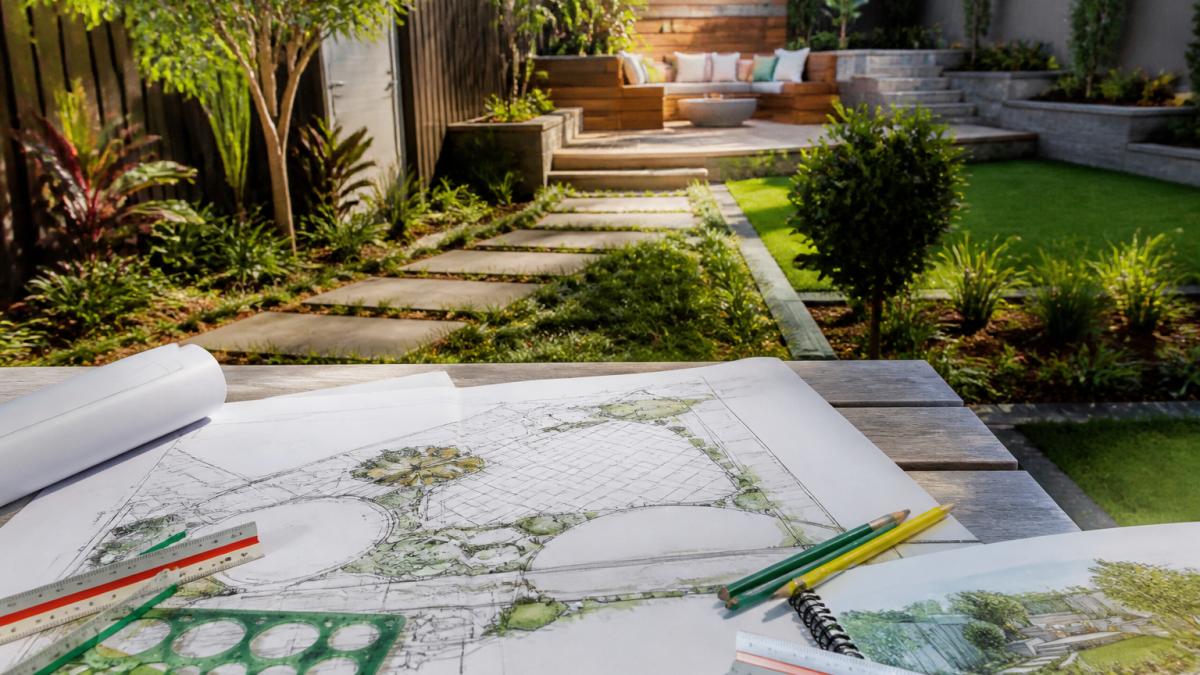
Good landscape design services start with how you want to use the space, not with a plant list. A design phase should cover zoning for entertaining, lawn, garden beds and access, then translate that into a plan you can actually build from.
A 3D design is where most projects gain clarity. Seeing the finished layout, levels and materials before excavation begins reduces costly changes mid-build. Ask whether the designer accounts for drainage, retaining structures and services like irrigation at this stage, because retrofitting them later is where budgets blow out.
The Landscape Construction Process, Step by Step
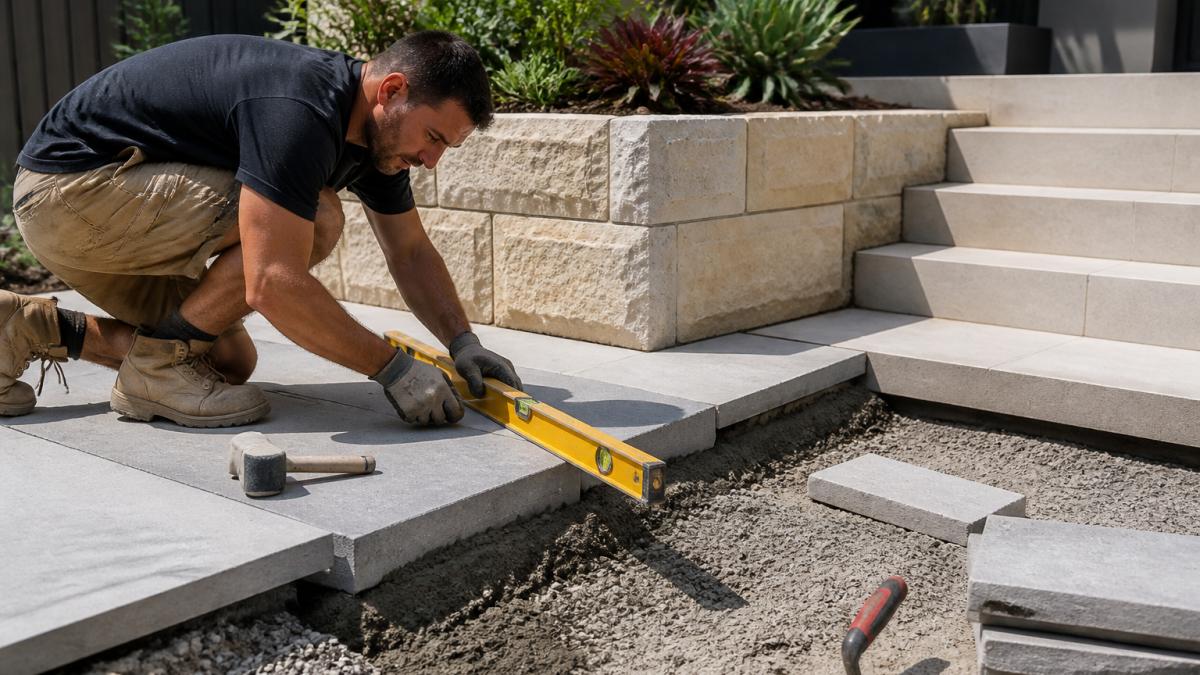
Landscape construction is a sequenced process, and the order matters more than most homeowners realise. The typical sequence runs: site assessment and set-out, excavation and soil preparation, drainage and services, structural work such as retaining walls and concreting, paving, then turf, planting and finishing. Skipping or rushing the early stages is the most common reason outdoor areas fail within a few years.
Site Assessment, Soil Preparation and Excavation
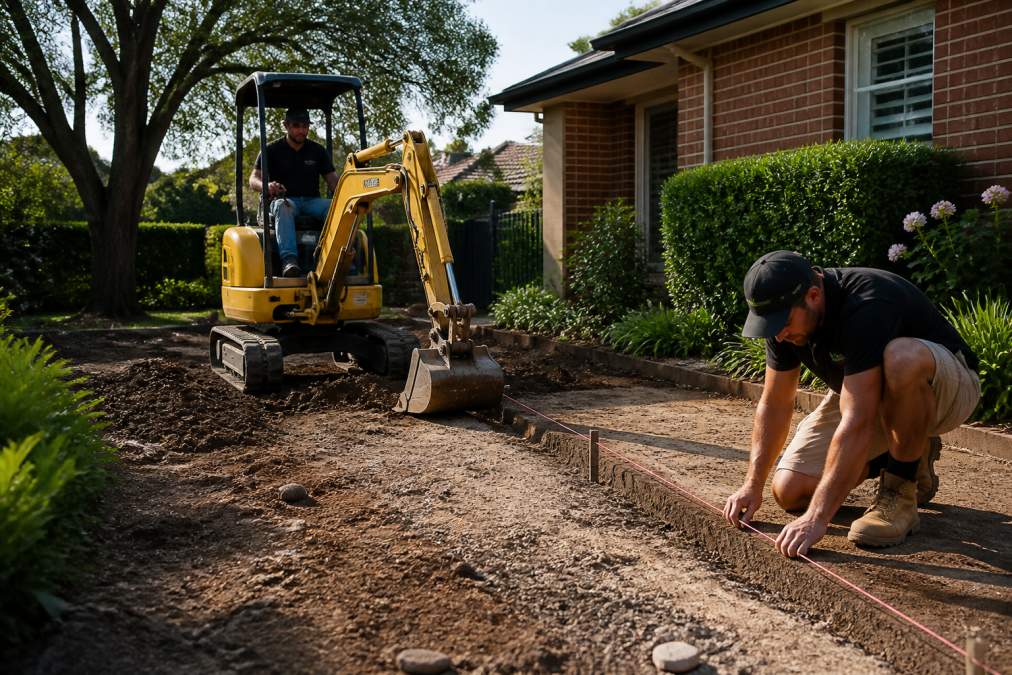
Every project should begin with a site assessment covering levels, drainage, soil type, access and any underground services. On the clay-heavy soils common across newer estates in the Hills District, this stage often reveals that the existing fill is unsuitable as a base and needs to be removed or conditioned before anything structural goes down.
Soil preparation follows: testing, conditioning and compaction so that paving, turf and planting have a stable base. Excavation comes next, whether that means cutting a level pad, removing unsuitable material or preparing footings for retaining walls.
Drainage and Services Before Structure
Drainage is not a finishing touch, it is structural infrastructure that must go in before paving, retaining walls and turf. Once a slab is poured or pavers are laid, retrofitting drainage means cutting into finished work, which is why experienced contractors plan the drainage run, outlet points and any irrigation or electrical conduits at the excavation stage.
Project Management and Quality Workmanship
A single point of contact across design and construction keeps a project on schedule. Ask who manages trades on site, how variations are documented, and what the handover process looks like. A workmanship guarantee is only meaningful if it is written into the contract, so read that clause carefully.
Retaining Wall Construction, Paving and Turf Installation
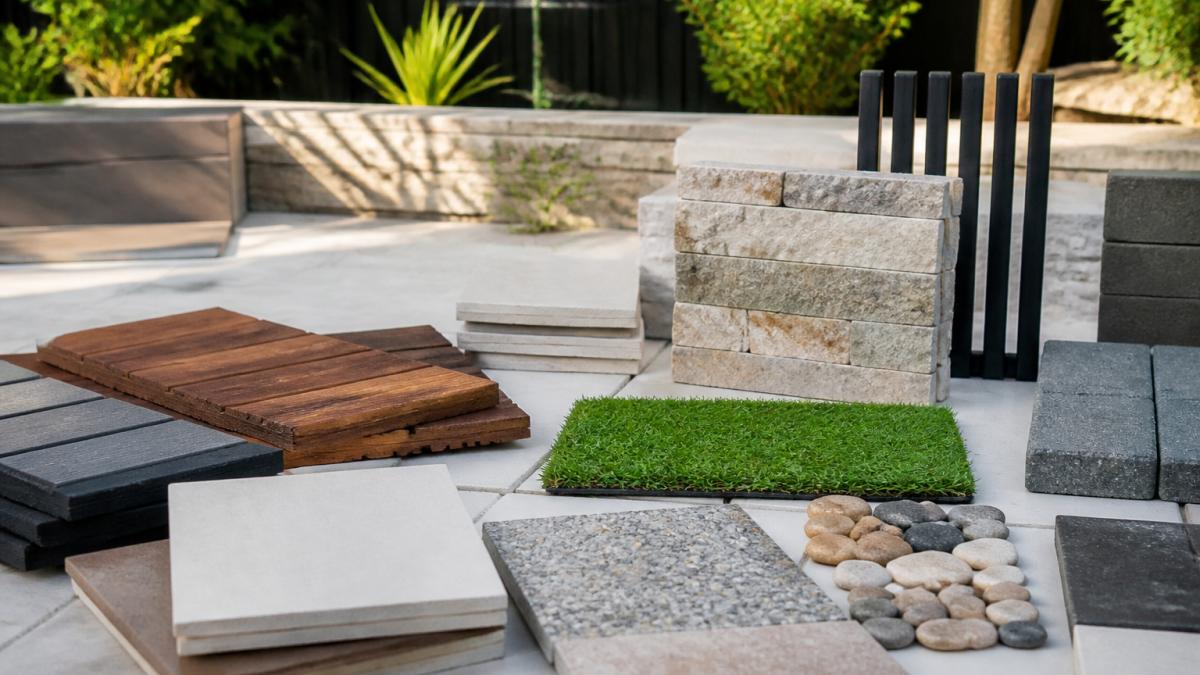
Retaining wall construction, paving and turf installation are the three elements that most define how a finished landscape performs and looks. Each depends on correct base preparation and drainage.
Permits, Approvals and Australian Standards: What to Check
Work that generally does not need approval: garden beds, planting, turf laying, mulching, minor paving at ground level, and low garden edging. These are the everyday landscaping tasks that fall outside the planning system in most circumstances.
A Practical Approval Checklist
Before committing to a project that includes retaining walls, structures or significant earthworks, work through these questions:
- What is the proposed height of any retaining wall, and what is it holding back?
- Is the wall near a boundary, an easement, or existing services?
- Will the work change where stormwater flows on the block?
- Does the project include any roofed structure such as a pergola or deck?
- Has the relevant council been contacted to confirm whether approval is required?
- If approval is required, has a certifier or engineer confirmed what documentation is needed?
How Much Does Landscaping Cost? A Practical Budgeting Guide
Landscaping pricing depends on site access, slope, the extent of excavation, material selections and the complexity of structures, so any figure quoted without a site visit is a guess. Rather than chasing a headline rate, budget by breaking the project into its components and getting each priced separately.
| Project Component | What Drives the Cost | Budget Planning Tip |
|---|---|---|
| Excavation and site prep | Access, slope, spoil removal | Confirm where spoil goes |
| Retaining walls | Height, length, engineering | Ask if certification is needed |
| Paving and concreting | Area, base depth, material | Price base works separately |
| Turf and planting | Soil prep, irrigation, species | Do not skip soil conditioning |
| Drainage | Site levels, outlet points | Treat as essential, not optional |
Sustainable Planting and Long-Term Maintenance
Plant selection should suit the local climate, soil and aspect rather than a catalogue photo. Many homeowners across the Hills District and North-West Sydney find that native and drought-tolerant species establish more reliably and need less water once settled. Grouping plants by water needs and installing irrigation with separate zones keeps maintenance manageable.
| Maintenance Task | Frequency | Why It Matters |
|---|---|---|
| Mowing and edging | Fortnightly in growing season | Keeps turf healthy and tidy |
| Mulch top-up | Annually | Retains moisture, suppresses weeds |
| Irrigation check | Seasonal | Catches leaks and blocked emitters |
| Drainage inspection | Before wet season | Prevents pooling and erosion |
| Retaining wall check | Annually | Spots movement or drainage issues early |
Getting a Free Quote From a Local Landscaper
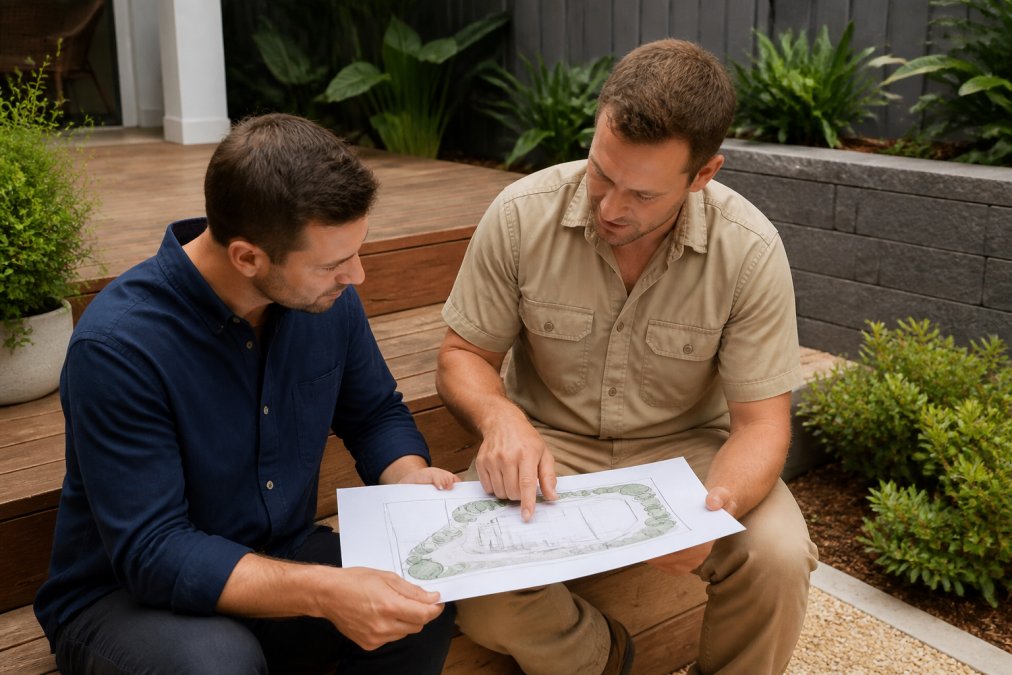
A useful quote starts with a site visit. Expect the contractor to walk the block, check levels and access, discuss how you want to use the space, and follow up with a written proposal. Prepare a short brief covering your priorities, rough budget and any deadline, and ask each contractor the same questions so the quotes are genuinely comparable.
- Licence and insurance details provided
- Written scope with design and construction stages
- Drainage and base preparation included
- Approval requirements identified
- Workmanship guarantee in the contract
- Clear timeline and payment schedule
Frequently Asked Questions
How much can a landscaper charge per hour?
Hourly rates vary with the scope of work, the trades involved and site access, so most landscapers quote per project rather than per hour. A retaining wall, paving job and full garden renovation each carry different labour and material demands. Rather than comparing hourly figures, ask for an itemised quote covering design, excavation, materials, construction and clean-up. FDSS Landscaping Services can provide a tailored quote based on a site assessment.
How much does it cost to landscape a backyard in Australia?
There is no single figure, because cost depends on block size, slope, drainage requirements, materials and how much structural work is needed. A simple turf and garden bed refresh sits at a very different level to a full landscape construction project with retaining walls, paving and an outdoor living area. Get at least two or three itemised quotes and check what each one includes before comparing totals.
Do I need council approval for retaining walls or major garden structures?
It depends on the wall height, the site, and the rules of your local council. Many councils require approval or a complying development certificate above certain heights, and walls near boundaries or affecting drainage often need engineer-designed plans. Requirements vary between the Hills District, Blacktown, Penrith and surrounding areas, so confirm with your council or a qualified professional before work begins.
What is the difference between landscape design and landscape construction?
Landscape design is the planning stage: site assessment, concept plans, planting plans and 3D visuals that show how the finished space will look. Landscape construction is the build stage: excavation, drainage, retaining wall construction, paving, turf installation and garden construction. Working with one team across both stages keeps the design and the build aligned, which reduces costly changes on site.