 ultimate-guide
Landscaper Blacktown: Costs, Council Rules & Design
Table of Contents
- What a Landscaper Blacktown Homeowners Hire Actually Delivers
- Landscape Design Blacktown: From Concept to 3D Plans
- The Landscape Construction Process, Step by Step
- Retaining Walls Blacktown: Engineering, Approvals and Materials
- What Drives Landscaping Costs in Blacktown
- Council Approvals and Compliance: What May Need Consent
- Plants and Materials That Suit Western Sydney Conditions
- Choosing the Right Landscaper for Your Project
- Frequently Asked Questions
Last Updated: September 22, 2026
What a Landscaper Blacktown Homeowners Hire Actually Delivers
A landscaper Blacktown homeowners hire does far more than mow lawns and plant shrubs. The role covers design, excavation, drainage, retaining walls, paving, turf and concreting, the work that turns a bare backyard into a usable outdoor room. At FDSS Landscaping Services, we deliver these projects for homeowners, builders and developers across Blacktown, Penrith, St Mary's, Mount Druitt and the wider Hills District, from first sketch to final sweep.
Landscape Design Blacktown: From Concept to 3D Plans
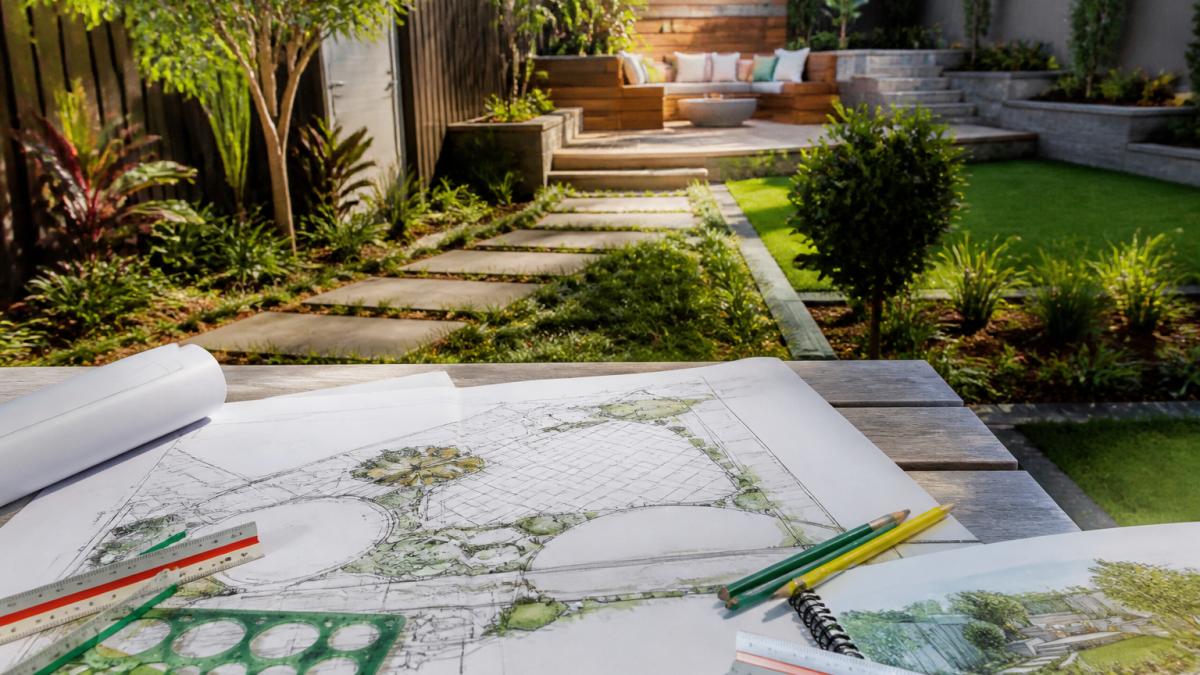
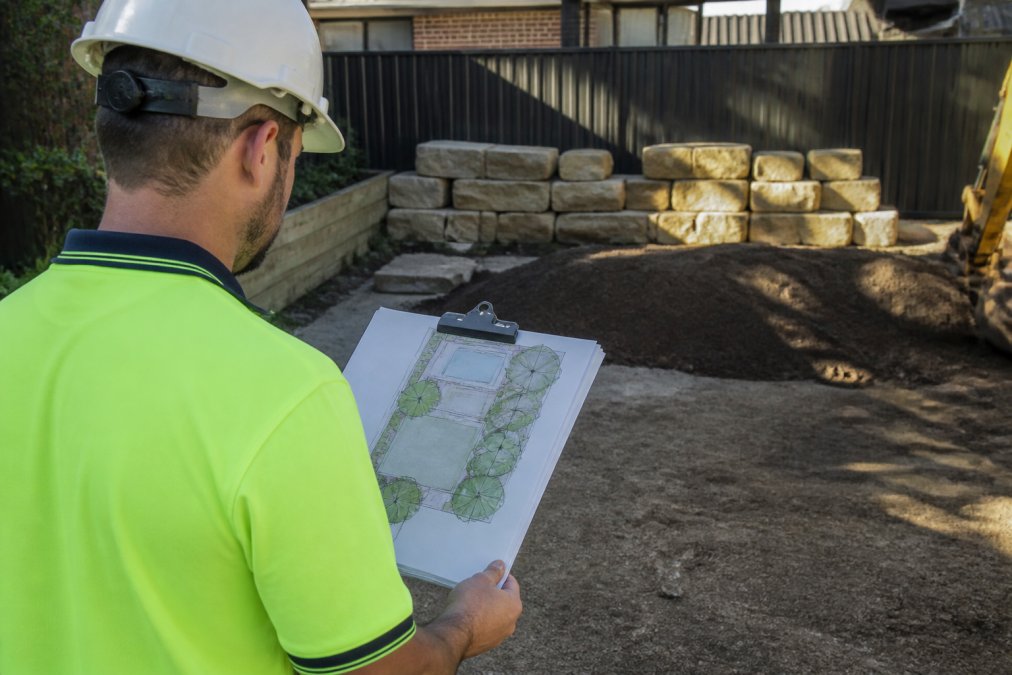
Landscape design translates how you want to use your outdoor space into a buildable plan covering levels, materials, planting and services. Good design solves drainage and access problems before a single paver is laid.
- Site assessment - measuring boundaries, checking slope, identifying existing services and easements
- Concept plan - layout of zones: entertaining, lawn, garden beds, pathways
- 3D visualisation - a rendered view so you can see materials and proportions before committing
- Documentation - levels, specifications and details that guide construction
The Landscape Construction Process, Step by Step
Landscape construction is the build stage, where drawings become levels, structures and surfaces. It follows a fixed sequence, because each trade depends on the one before it.
Site Preparation, Excavation and Drainage
Nothing structural starts before the site is prepared. This stage covers clearing, stripping turf, cutting and filling to design levels, and setting out drainage, plus excavation for retaining walls, footings, paving sub-base and garden beds.
Hardscaping and Softscaping Stages
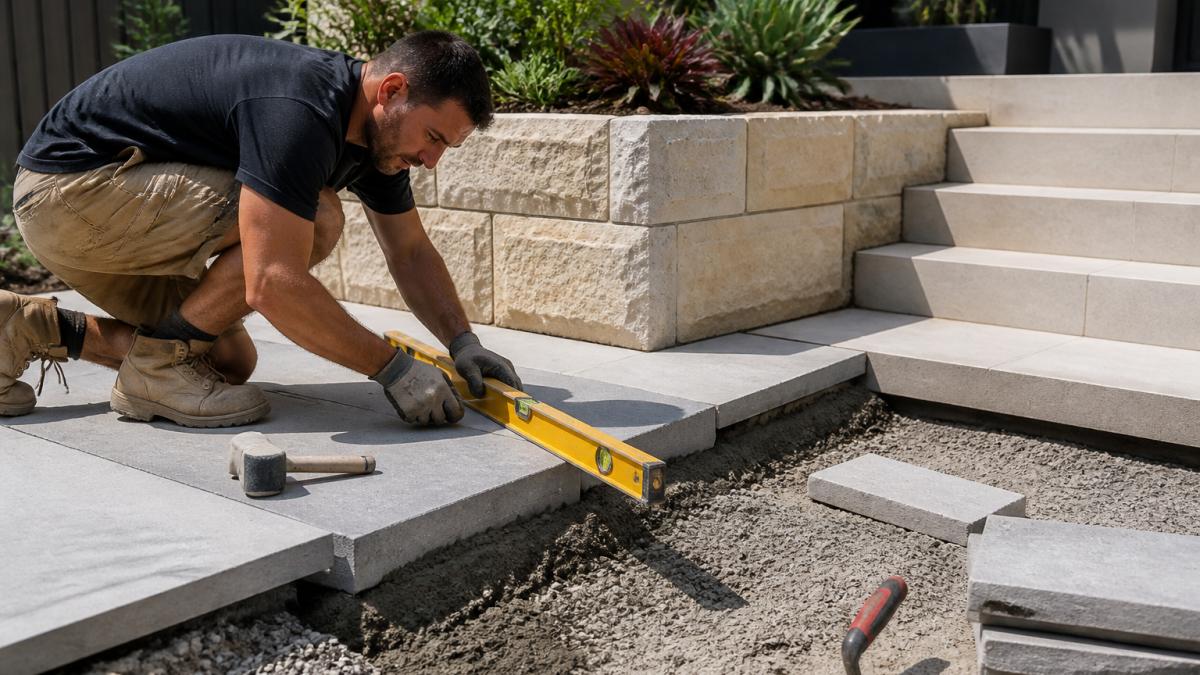
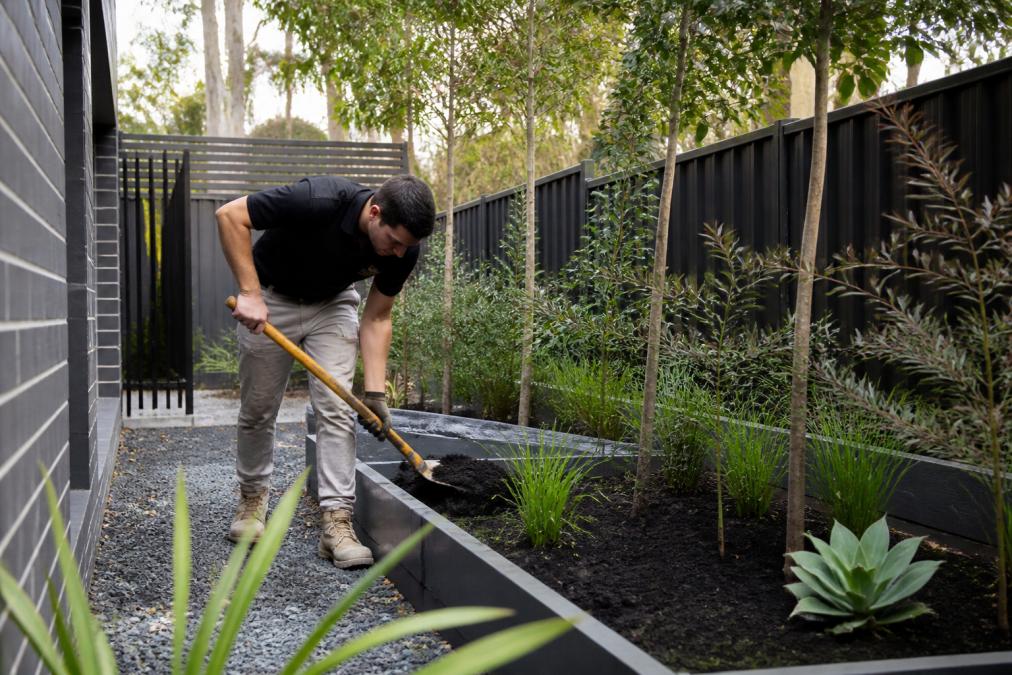
Hardscaping covers built elements, retaining walls, paving, concreting, steps, edging, pergolas and outdoor kitchens. Softscaping covers the living layer, turf, garden beds, soil preparation, mulching and planting.
Retaining Walls Blacktown: Engineering, Approvals and Materials
Retaining walls Blacktown projects often need more than good looks. A wall holds back soil and manages level changes, and once it exceeds a certain height it becomes structural, potentially needing engineering input and council approval.
| Wall Type | Best For | Key Consideration |
|---|---|---|
| Timber sleeper | Low garden beds, tight budgets | Shorter lifespan in wet soil |
| Concrete sleeper | Taller walls, long life | Requires engineered design |
| Sandstone block | Feature walls, premium finish | Heavier, higher material cost |
| Besser block | Structural walls, rendered finish | Needs core filling and reinforcement |
What Drives Landscaping Costs in Blacktown
No two quotes for the same-sized block come out the same, and the reason is rarely the price of pavers. Cost is driven by how much structural work the site demands, how hard it is to move machinery and materials in and out, and how much spoil must leave the property. Understanding those drivers lets you compare quotes on scope, not a single bottom-line number.
The site factors that move the number most
- Slope and level changes. A flat block needs minimal cut and fill. A sloping block in Glenhaven or Kellyville typically needs terracing, retaining walls, extra drainage and more excavation. Slope is usually the biggest variable between similar jobs.
- Access. If a bobcat or excavator can't fit down the side of the house, everything is barrowed by hand, adding labour hours across every stage of the build.
- Spoil removal. Excavated clay and soil has to go somewhere. Volume removed, distance to the tip and truck access all affect cost. Reusing spoil on-site for mounding or raised beds can reduce cartage.
- Drainage and stormwater. Trenching, aggie pipe, grated pits and stormwater connection are easy to leave off a quote and expensive to add later. On clay-heavy Western Sydney soils, drainage is rarely optional.
- Structural work. Retaining walls, footings, concreting and engineered elements carry material and labour costs, plus design and certification input if a wall exceeds council thresholds.
- Material choice. Concrete pavers, compressed brick and natural sandstone sit at very different points on the cost curve, as do turf varieties and garden edging.
Why a rate per square metre is misleading
A rate per square metre usually covers only the visible surface, paving or turf. It rarely includes sub-base preparation, drainage, edging, spoil removal or the retaining that makes the surface usable. Two quotes at the same rate can differ substantially once those items are added, so compare on scope, not the headline rate.
What a proper quote should itemise
A quote you can actually compare will separate:
- Site preparation and excavation, including where spoil goes
- Drainage scope, including connection point
- Retaining walls, with height and material specified
- Paving or concreting, with sub-base and bedding detail
- Turf and planting, with soil preparation and mulching
- Any structures, and who handles approval or certification
FDSS Landscaping Services prepares quotes after a site assessment, so the scope reflects your block's slope, access and drainage rather than a generic assumption. When comparing providers, ask each to itemise the same categories so you compare like with like.
Council Approvals and Compliance: What May Need Consent
Council approval requirements depend on your site, the scope of works and your local council's planning rules. Some projects proceed without consent; others need approval or certification before work begins.
Work that commonly triggers approval includes:
- Retaining walls above a height threshold set by council
- Structures such as pergolas, decks and outdoor kitchens
- Changes to stormwater or drainage connections
- Works near boundaries, easements or protected trees
Plants and Materials That Suit Western Sydney Conditions
Plant selection in Western Sydney has to survive three things at once: hot, dry summers with strong afternoon sun; heavy clay soils that hold water in winter and bake hard in summer; and periodic water restrictions. Choosing species that tolerate all three reduces replacement costs and long-term watering, and it is where a garden either thrives or quietly dies over the first two summers.
Reading your soil before you plant
Most blocks across Blacktown, Penrith, St Mary's and Mount Druitt sit on clay or clay-loam. Clay drains slowly, compacts under foot traffic and machinery, and waterlogs in winter before cracking in summer. Before planting, check how your soil behaves:
- Drainage test. Dig a hole roughly 30 cm deep, fill it with water, let it drain, then refill. If the second fill is still there after several hours, drainage is poor and you will need to amend or build up.
- Amend, don't just dig. Gypsum helps break down clay structure over time. Composted organic matter improves both drainage and water-holding capacity. Raised beds sidestep the problem entirely for smaller plantings.
- Don't plant into straight clay. A planting hole filled with soft potting mix surrounded by hard clay becomes a bathtub. Roots stay waterlogged and the plant fails.
Plant choices that handle local conditions
Reliable performers for Western Sydney gardens share traits: grey or fine foliage, tolerance of full sun, and low water demand once established. Common options include:
- Westringia, dense, grey-green, tolerates heat and poor soil, works well as a low hedge or border
- Callistemon (bottlebrush), handles clay and periodic dryness, attracts birds, suits screening and feature planting
- Lomandra, strappy, tough, useful on slopes and in drainage zones where mowing is impractical
- Grevillea, many varieties cope with full sun and low water, though drainage must be reasonable
- Dianella, tolerates shade and clay, useful under trees and along fence lines
Turf varieties for local conditions
Turf choice matters as much as plant choice. Warm-season varieties generally outperform cool-season turf in Western Sydney summers:
- Couch, tough, handles full sun and heavy use, but needs more frequent mowing and can invade garden beds
- Buffalo, shade-tolerant and softer underfoot, suits family lawns, generally needs less mowing than couch
- Kikuyu, vigorous and hard-wearing, but can spread aggressively and is difficult to contain
- Zoysia, slower growing and lower maintenance once established, though slower to recover from damage
Hardscape materials that hold up
For paving, retaining and edging, the materials that last locally handle sun, heat and heavy use without fading or cracking:
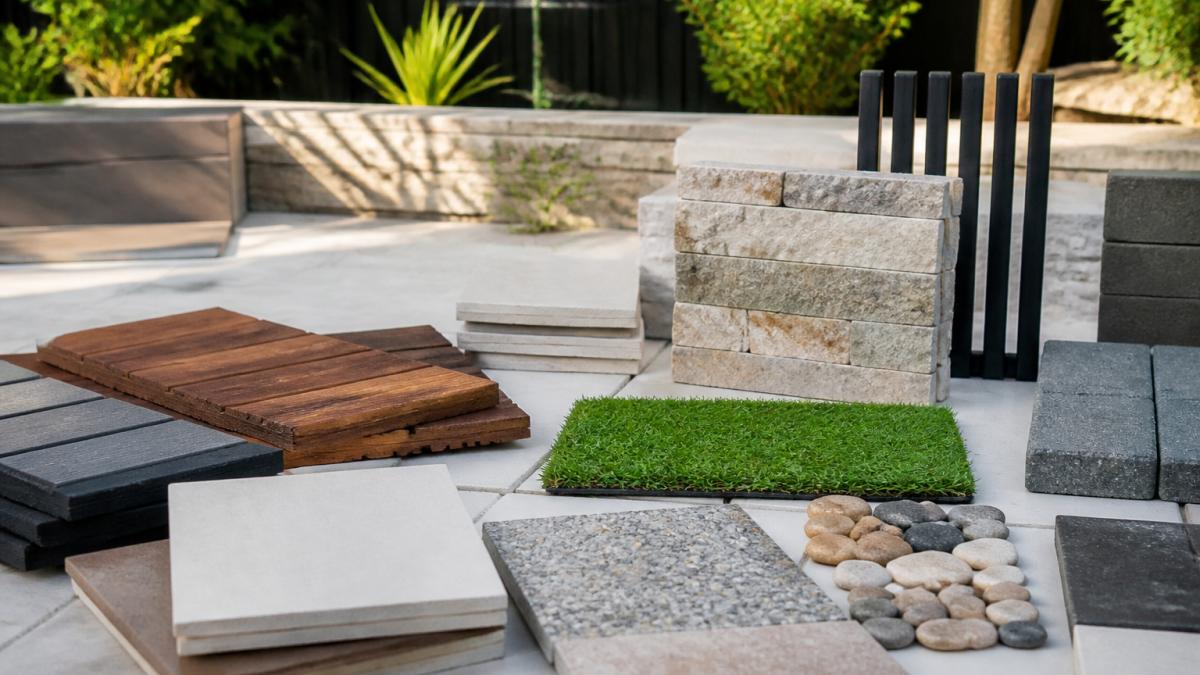
- Sandstone, natural, ages well, suits feature walls and premium paving, but heavier and higher cost
- Concrete pavers, consistent, widely available, good range of finishes, reliable in full sun
- Compressed brick, hard-wearing, classic look, suits driveways and paths
- Concrete sleepers, engineered option for retaining walls where timber would rot
Choosing the Right Landscaper for Your Project
Choosing a landscaper comes down to scope, communication and whether one team can carry the project from design through construction without handing you between trades. An integrated design-and-build approach keeps one team accountable.
Ask any prospective landscaper:
- Can you show a clear scope covering excavation, drainage, hardscape and softscape?
- Who handles design, and is a 3D plan included?
- How do you manage council approval requirements?
- What is the construction timeline, and how is it sequenced?
Frequently Asked Questions
Do I need council approval for retaining walls or structural landscaping?
It depends on the wall height, the site and the relevant council's rules. Many councils require approval once a retaining wall exceeds a certain height, and walls near boundaries or affecting drainage often need extra assessment. Structural landscaping and excavation can also trigger conditions. Before any work starts, check the requirements with your local council or a qualified consultant. A landscaper Blacktown homeowners hire should be able to explain what applies to your block and factor approvals into the construction timeline.
How does 3D landscape design help with project planning?
A 3D plan shows how levels, retaining walls, paving, turf and planting will look together before anything is built. It makes it easier to test layouts, spot drainage or access problems early, and confirm the design suits your budget and lifestyle. Changes on a screen cost far less than changes on site. For sloping blocks common around Blacktown and the Hills District, a 3D design also helps clarify how excavation and retaining walls Blacktown projects typically need will affect the finished space.
What should I consider before starting a landscaping project?
Start with how you want to use the space, then work through site conditions: slope, drainage, soil, access for machinery and any existing structures. Decide which elements matter most, such as paving, turf, garden beds or an outdoor living area, and set a realistic budget with a contingency. Confirm whether council approval is needed, and ask any landscaper you shortlist how they handle site preparation, materials and project timelines before you commit.
What is the best time of year to landscape in Sydney?
Autumn and spring generally suit planting and turf installation because temperatures are milder and soil moisture is more reliable. Summer heat stresses new turf and plants, while heavy winter rain can slow excavation and concreting. That said, hardscaping such as paving, retaining walls and concreting can proceed year-round with the right scheduling. A landscaper can phase the work so structural elements go in first and planting follows when conditions are most favourable for establishment.
Planning a landscaping project across Blacktown, the Hills District or North-West Sydney comes down to getting the design, drainage and approvals right before construction starts. FDSS Landscaping Services handles the full process, from landscape design and 3D planning through excavation, retaining walls, paving, turf installation and outdoor living areas, so you deal with one team from concept to completion. Get started with FDSS Landscaping Services and request a quote for your project.