 how-to
How to Manage Landscaping Project Costs
Table of Contents
- Understanding Your Landscaping Project Scope
- Breaking Down Landscaping Project Costs
- Creating a Landscaping Project Budget Template
- How to Save Money on Garden Landscaping
- Understanding Professional Landscaping Quote Inclusions
- Managing Hidden Costs and Unexpected Expenses
- Planning Your Project Timeline and Maintenance Costs
- Frequently Asked Questions
Last Updated: September 3, 2026
Understanding Your Landscaping Project Scope
The first decision that shapes every landscaping budget is defining exactly what you're building. A vague scope leads to cost blowouts, timeline delays, and disputes with contractors. Before you get a single quote, you need clarity on what's actually included in your project.
Define the scope of work clearly
Your scope of work is the foundation of cost control. It describes every element your contractor will deliver, from site preparation through final planting. Without it, you're inviting scope creep, where small requests accumulate into thousands of dollars in unplanned work.
A clear scope includes the exact area being landscaped (measured in square metres), every hardscape element (paving, retaining walls, pathways), softscape details (turf type, plant species, quantities), drainage solutions, and any structural work. It should specify materials by name and grade, not just "quality pavers" or "good soil."
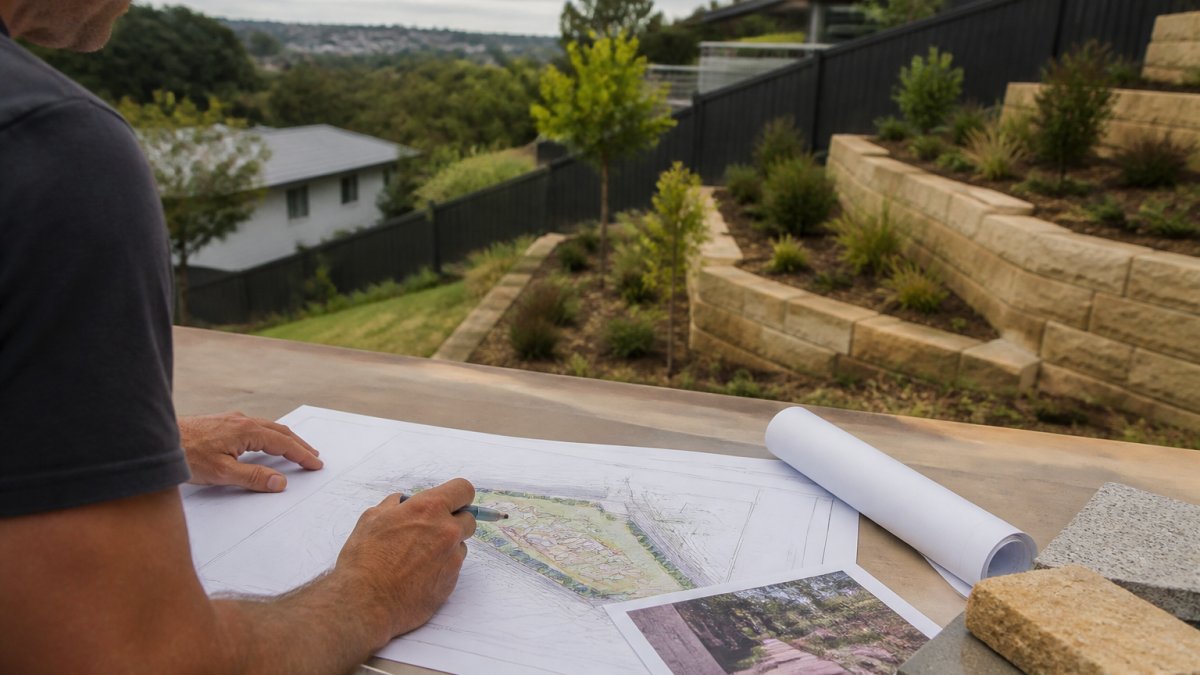
When you work with an experienced landscape design and construction company like FDSS Landscaping Services, the scope emerges from detailed concept plans and 3D design visualisation. This approach means you see exactly what you're paying for before construction starts.
Site assessment and preparation costs
Site preparation is often where hidden costs emerge. A proper site assessment identifies existing conditions: soil quality, drainage patterns, slope, tree roots, and underground services. Poor soil might require removal and replacement. Inadequate drainage could demand additional solutions.
Site preparation includes removing existing vegetation, excavation, soil testing, and grading. A flat, accessible site in Castle Hill or Bella Vista with good drainage and clear access is cheaper to prepare than a sloped site with poor drainage and limited vehicle access.
Many homeowners underestimate preparation because it's invisible once the project finishes. Yet it's often a significant portion of total project cost. Skipping proper assessment to save money upfront typically costs far more when problems surface during construction.
FDSS Landscaping Services includes detailed site assessment in the landscape design process. Understanding your site's actual conditions means your budget reflects reality, not assumptions.
Breaking Down Landscaping Project Costs
Most landscaping projects split into four main cost categories: design and planning, materials, labour, and specialist services. Understanding how your budget divides across these areas helps you allocate resources strategically.

Design and planning fees
Professional landscape design costs vary based on project complexity and the designer's experience. A simple design for a small courtyard costs less than a comprehensive 3D design for a multi-level backyard with outdoor living areas.
Design fees typically cover site analysis, concept development, detailed plans, and specifications. Some designers charge a flat fee for the entire project, whilst others work on hourly rates or charge a percentage of the total project budget.
The value of professional design extends beyond aesthetics. A skilled designer optimises your site's potential, ensures proper drainage and grading, specifies materials suited to local climate and soil, and creates designs that are actually buildable within your budget.
When you request a landscaping quote from FDSS Landscaping Services, design is integrated into the overall proposal. Our landscape design service includes 3D visualisation, so you see the finished result before construction begins.
Material and labour allocation
Material costs typically represent 40-50% of a landscaping budget, with labour making up the remainder. This split varies based on project type. Hardscape projects (paving, retaining walls, concreting) are labour-intensive and material-heavy. Softscape projects (planting, turf installation) skew more toward labour.
Material costs depend on quality, availability, and transport. Premium pavers cost more than standard options. Native plants suited to your region may cost less than exotic species. Importing specialty materials from interstate adds transport fees.
Labour costs reflect the complexity of the work, the team's experience, and the project timeline. Experienced contractors typically charge more than inexperienced ones, but they work more efficiently and deliver better results.
Subcontractor and specialist fees
Most landscaping projects require specialists beyond the main contractor. Structural engineers may be needed for retaining walls. Drainage specialists design and install complex drainage systems. Electricians install outdoor lighting.
Specialist fees add to your project cost but are often essential. A retaining wall that's not engineered correctly fails. Drainage designed by someone without expertise causes foundation problems. Get separate quotes from specialists rather than relying solely on the main contractor's estimates.
Creating a Landscaping Project Budget Template
A solid budget template keeps your project on track financially. It forces you to consider every cost category and prevents surprises.
Essential budget line items
Start with these core categories:
| Budget Category | Details | Notes |
|---|---|---|
| Design and planning | Concept plans, 3D design, specifications | Flat fee or percentage of project cost |
| Site preparation | Excavation, grading, soil removal, access setup | Depends on site condition |
| Hardscape materials | Pavers, concrete, stone, retaining wall blocks | Specify quality and quantity |
| Hardscape labour | Installation of all hard elements | Varies by complexity |
| Softscape materials | Plants, turf, soil amendments, mulch | Depends on plant choices |
| Softscape labour | Planting, turf laying, finishing | Seasonal factors apply |
| Specialist services | Engineering, drainage, electrical, plumbing | Only if required |
| Permits and approvals | Council permits, engineering certification | Depends on local requirements |
| Contingency fund | Unexpected costs and changes | Typically 10-15% of total |
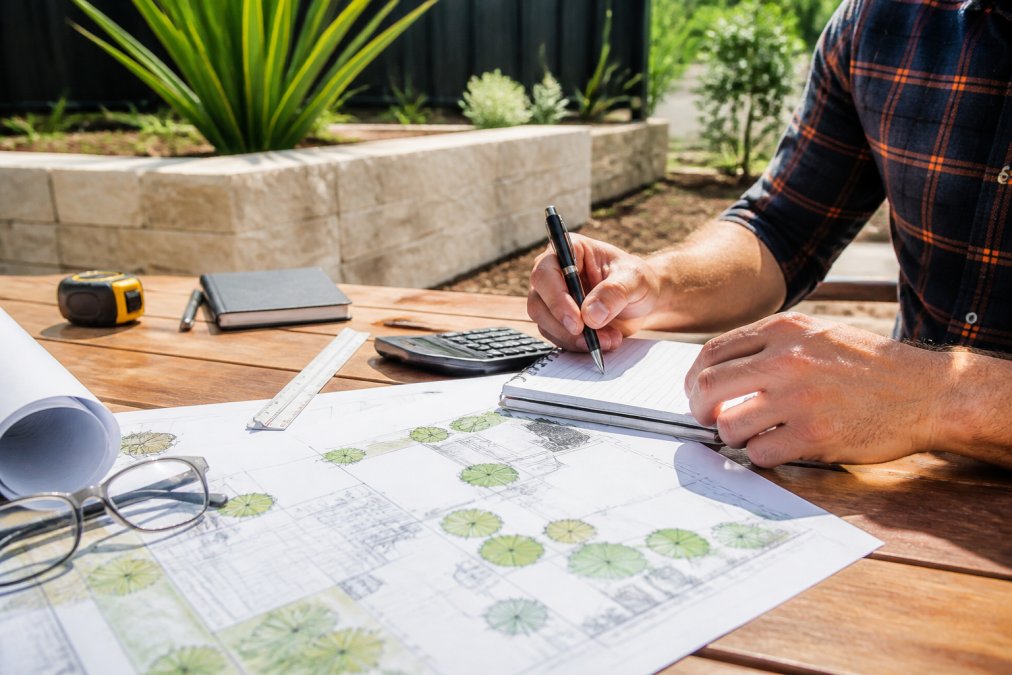
List every element of your project as a separate line item. Break it down by area, by service type, and by material. For each line item, get at least two quotes.
Building in contingency funds
A contingency fund is non-negotiable. It's the budget you set aside for the unexpected, and on landscaping projects, the unexpected always arrives.
Contingency funds typically range from 10-15% of your total project budget. This isn't money wasted; it's insurance against reality. Discovering poor soil quality, finding underground services that weren't marked, weather delays, or homeowner changes mid-project all trigger contingency spending.
Build contingency into your budget from the start. Once you've spent your contingency, any additional costs come from your pocket or require project scope reduction. Track contingency spending as it happens and update your budget immediately.
How to Save Money on Garden Landscaping
Saving money doesn't mean cutting corners on quality. It means making strategic choices about where to invest and where to economise.
Phased project management
One of the most effective ways to manage costs is phasing your project over time. Instead of building everything at once, you complete the project in stages. Phase one might be hardscape: paving, retaining walls, pathways. Phase two follows with planting and turf.
This approach spreads costs across multiple budget years, lets you live with early phases and adjust later phases based on experience, and reduces daily crew size and equipment needs. Each phase must be self-contained and functional, even if planting hasn't begun.
The trade-off is that phased projects typically take longer overall and may have slightly higher total labour costs due to multiple mobilisations. But the financial flexibility often makes this worthwhile.
Material procurement strategies
Material costs are your biggest controllable expense. Smart procurement saves thousands without sacrificing quality.
Specify materials clearly and request quotes from multiple suppliers. Sometimes direct supplier quotes beat contractor pricing, especially on bulk items like pavers, soil, or stone. Consider timing: turf is less expensive in autumn and winter when demand is lower. Explore alternatives that deliver similar results at lower cost, recycled pavers cost less than new ones, local stone is cheaper than imported varieties, and native plants suited to your region cost less than exotics.
Buy in bulk where practical. If you're using a specific paver across a large area, buying the full quantity at once often gets a volume discount. Work with your contractor to understand material markups, which is standard and fair, but helps you evaluate whether to buy materials directly or let the contractor source them.
Value engineering and cost-benefit analysis
Value engineering is the discipline of delivering the same function at lower cost. Start by identifying your project's core objectives. If you want an outdoor entertaining space, the essentials are a level paved area and weather protection.
Evaluate each element's cost-benefit. Does a water feature add significant value? If you love water features and can afford it, it's worth it. If it's "nice to have" and budget is tight, it's the first thing to cut.
Some elements deliver disproportionate value. Professional landscape design costs money upfront but prevents far more expensive mistakes. Proper drainage costs less than fixing water damage later. Good soil preparation costs less than replanting failed gardens.
Create a priority list: must-have elements, should-have elements, and nice-to-have elements. Your budget covers must-haves and as many should-haves as possible. Nice-to-haves are phase-two candidates.
Understanding Professional Landscaping Quote Inclusions
A professional quote is more than a number. It's a detailed document that specifies exactly what you're paying for. Learning to read quotes prevents misunderstandings and hidden costs.
What a comprehensive quote should cover
A complete landscaping quote includes a detailed description of all work to be performed, broken down by task or area. Instead of "landscaping," it specifies "excavation of existing garden bed, soil removal and disposal, installation of 150 square metres of paving, construction of 8-metre retaining wall, planting of 45 trees and shrubs."
A comprehensive materials list with quantities and specifications is essential. Instead of "pavers," it specifies "Charcoal granite pavers, 600×600mm, laid on 50mm sand bed." Labour costs should be clear, either as a line item or built into task descriptions. Understand whether labour includes site cleanup, waste removal, and finishing work.
Allowances for site-specific costs like permits, engineering certification, or specialist services should be listed explicitly. A project timeline showing start date, expected completion date, and any weather or approval dependencies should be included. Terms and conditions covering payment schedule, what happens if scope changes, warranty on workmanship, and dispute resolution complete a professional quote.
A quote without these details is incomplete. Ask for clarification on any vague items before accepting the quote.
Fixed-price contracts versus hourly rates
A fixed-price contract specifies the total cost for defined scope of work. You know upfront what you'll pay. This protects you from cost overruns if the contractor works inefficiently. It also incentivises the contractor to work efficiently.
The downside is that fixed-price quotes require detailed scope definition. If scope changes, the price changes. Hourly rates charge for time spent and work well when scope is uncertain or likely to change. The downside is that you can't predict total cost.
Most landscaping projects use fixed-price contracts because the scope is clear and customers want cost certainty. Understand which model applies to each part of your project.
Comparing quotes and negotiating terms
Never accept the first quote. Get at least three quotes from experienced contractors. Compare them carefully, but not just on price. A lower quote isn't always better. Examine what's included. Does it cover site cleanup? Waste disposal? Final grading and finishing?
Compare the materials specified. Are they the same quality and brand across quotes? Examine the timeline. Check the contractor's experience with projects similar to yours. A contractor experienced in retaining walls is better equipped to build them correctly than a generalist.
Once you've selected a contractor, negotiate if the quote is higher than expected. Rather than asking for a lower price across the board, identify specific areas where you can adjust scope. Skip the water feature. Choose less expensive pavers. Reduce the planting palette. These targeted reductions preserve quality whilst reducing cost.
Discuss payment terms. Milestone payments protect you better than full upfront payment. Ensure the contract includes a warranty on workmanship.
Managing Hidden Costs and Unexpected Expenses
Despite careful planning, landscaping projects often encounter costs that weren't obvious during quoting. Understanding common hidden costs helps you prepare.
Common hidden costs in landscaping
Site access limitations often increase costs. If your site is on a steep slope or accessible only via a narrow pathway, equipment can't reach it easily. Contractors must hand-carry materials or use smaller equipment, which takes longer and costs more.
Existing vegetation removal might be more extensive than anticipated. Soil quality issues emerge once excavation begins. Poor soil might require complete replacement. Contaminated soil requires specialist disposal. Unexpected rock or clay demands additional excavation effort.
Underground services complicate work. Unmarked pipes, cables, or foundations discovered mid-project require careful work around them. Sometimes they must be relocated by specialists at additional cost.
Weather delays extend timelines, increasing labour costs. Scope creep happens when you request changes during construction. Each change disrupts the contractor's workflow and adds cost. When you request a change, ask the contractor for the cost impact before approving it.
Material price increases occur between quoting and purchase. If several months pass between quote and construction, material prices might have risen. Prepare for these by building adequate contingency funds and by being disciplined about scope changes.
Permits, approvals and regulatory requirements
Landscaping work often requires approvals depending on what you're building and where you live.
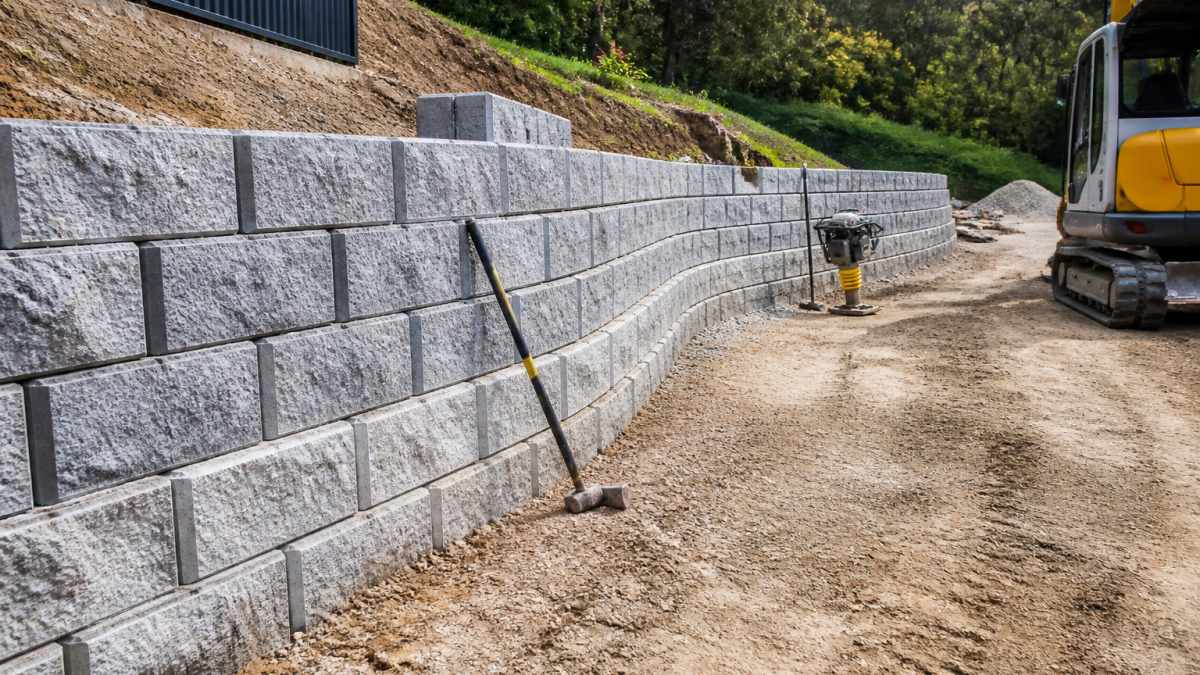
Retaining walls typically require council approval, especially if they're higher than 1 metre or near property boundaries. Requirements vary by local council. Some require engineering certification. Some require building permits.
Excavation and earthworks might need approval if they affect drainage or property boundaries. Tree removal sometimes requires approval, especially in heritage areas or if the tree is protected. Drainage works that affect public stormwater systems usually require approval.
These approvals take time and cost money. When you get quotes, ask whether permit costs are included or quoted separately. Clarify who's responsible for obtaining approvals. Most contractors handle this, but verify.
Soil quality, drainage and site accessibility
Soil quality directly affects landscaping longevity and cost. Poor soil means plants struggle, turf fails, and structures settle unevenly. Soil testing before the project starts identifies pH, nutrient levels, compaction, and contamination. If soil is poor, you can budget for improvement upfront rather than discovering problems after planting.
Drainage problems are expensive to fix. If your site has poor drainage, water pools after rain and causes damage. Proper drainage design costs money upfront but prevents foundation damage, plant failure, and muddy yards. Fixing drainage problems after construction costs significantly more.
Site accessibility affects labour costs. A site with good vehicle access, level working areas, and nearby water and power is cheaper to work on. A steep, narrow, or remote site requires more labour and takes longer. Assess these factors during site selection and early planning.
Planning Your Project Timeline and Maintenance Costs
The timeline you choose affects costs. And the landscape you build requires maintenance, which has ongoing costs.
Project timeline impact on labour costs
A compressed timeline increases labour costs. If you want your project finished in 4 weeks instead of 8, the contractor must either bring more workers or work overtime. Both increase costs. A flexible timeline reduces labour costs.
Weather affects timelines. Winter projects take longer because of shorter days and weather delays. Spring and autumn are ideal for most landscaping work. Planning your project for the optimal season reduces weather-related delays and costs.
Material availability affects timeline. If you've specified a paver that's on back-order, your timeline extends. Choosing readily available materials keeps projects on schedule. Approval timelines matter too. If your project requires council permits, allow adequate time for approval.
Discuss timeline realistically with your contractor. A rushed timeline costs more. A flexible timeline costs less. Choose the timeline that matches your budget and needs.
Forecasting long-term maintenance requirements
The landscape you build requires ongoing maintenance, and maintenance costs vary dramatically by design. A high-maintenance garden with specimen plants, water features, and decorative hardscaping requires regular professional care. A low-maintenance garden with hardy native plants, simple hardscaping, and minimal features requires far less professional care.
Turf requires regular mowing, fertilising, and pest management. Established turf costs less to maintain than newly laid turf. Native turf species suited to your region cost less to maintain than exotic varieties.
Planting costs money upfront but also requires establishment care. New plants need regular watering and monitoring for the first year. Established plants need less intensive care.
When you're designing your landscape, consider long-term maintenance costs. A design that looks great but requires professional maintenance twice monthly is expensive to own. A simpler design that you can maintain yourself is cheaper over time. Discuss maintenance expectations with your designer and factor this into your decision-making.
A well-managed landscaping project delivers the outdoor space you want without financial stress. The key is understanding your scope, planning your budget across all cost categories, and building in contingency for the unexpected.
Start with a clear scope of work. Get detailed site assessment. Break your budget into specific line items and get multiple quotes. Build in 10-15% contingency. Make strategic choices about where to invest premium materials and where to economise. Understand what's included in quotes and what's not. Plan your timeline realistically. And consider long-term maintenance costs as part of your decision-making.
If you're planning a landscaping project in the Hills District, North-West Sydney, or Greater Sydney, FDSS Landscaping Services can guide you through this process. Our integrated landscape design and construction approach means you work with one experienced team from concept through completion. We provide detailed quotes that specify exactly what's included, help you manage your budget strategically, and deliver projects on time and on budget.
Request a landscaping quote from FDSS Landscaping Services today. We'll assess your site, understand your vision and budget, and provide a comprehensive proposal that covers design, materials, labour, and timeline. Let's build the landscape you've been imagining.
Frequently Asked Questions
What are the most common hidden costs in landscaping projects?
Hidden costs often include site preparation and soil removal, drainage solutions, permits and council approvals, unexpected soil conditions, and remedial work discovered during excavation. Material price fluctuations, subcontractor fees, and extended project timelines due to weather can also add expense. A detailed scope of work and professional site assessment help identify these costs upfront rather than during construction.
How do I create a realistic budget for a landscaping project?
Start with a clear scope of work defining what you want built. Obtain multiple professional quotes from experienced landscape contractors. Break costs into design fees, materials, labour, site preparation, and contingency (typically 10-15% of total budget). Factor in your project timeline, as phased work may cost more than one continuous build. A landscaping project budget template helps track all line items and prevents overspending.
What factors influence the cost of retaining walls and paving?
Key factors include material choice (timber, concrete, stone), wall height and length, soil conditions and drainage requirements, site accessibility and preparation complexity, and labour intensity. Paving costs depend on area size, material quality, base preparation, and finished surface complexity. Structural requirements and engineering approvals for retaining walls also affect pricing. Site-specific conditions like slope, existing vegetation removal, and ground stability significantly impact the final cost.
How can phased project management help reduce landscaping costs?
Phased landscaping spreads costs over time, improving cash flow and allowing you to prioritise high-impact areas first. You can complete hardscaping (paving, retaining walls) in phase one, then add softscaping (turf, planting) later. This approach also lets you adjust future phases based on budget availability and allows material prices to stabilise between phases. Working with one experienced contractor across phases ensures consistency and often yields better material procurement rates.