 listicle
7 Ways to Increase Property Value With Landscaping
Table of Contents
- 7 Ways to Increase Property Value With Landscaping
- 1. Create Functional Outdoor Living Spaces
- 2. Hardscaping vs Softscaping for Property Value
- 3. Install Retaining Wall Construction Requirements
- 4. Implement Drainage Solutions for Residential Gardens
- 5. Enhance Curb Appeal With Strategic Planting
- 6. Choose Native Plants and Low-Maintenance Design
- 7. Professional Landscape Design and Construction
- Maximise Your Property's Potential
- Frequently Asked Questions
Last Updated: August 16, 2026
7 Ways to Increase Property Value With Landscaping
A well-designed outdoor space can transform how potential buyers perceive your home. More than just aesthetics, thoughtful landscaping adds genuine market appeal and functionality that justifies a higher asking price. The question isn't whether landscaping matters, it's how to approach it strategically to maximise return on investment.
This guide from FDSS Landscaping Services covers seven practical methods to increase property value with landscaping. Whether you're planning a complete backyard renovation or targeted improvements to boost curb appeal, these strategies address the elements that buyers and valuers actually notice.
Quick Overview:
- Functional outdoor living spaces command premium pricing
- Strategic hardscaping and softscaping balance creates visual interest and low maintenance
- Native plants and water-wise design appeal to environmentally conscious buyers
- Professional landscape design and construction ensures quality execution
1. Create Functional Outdoor Living Spaces
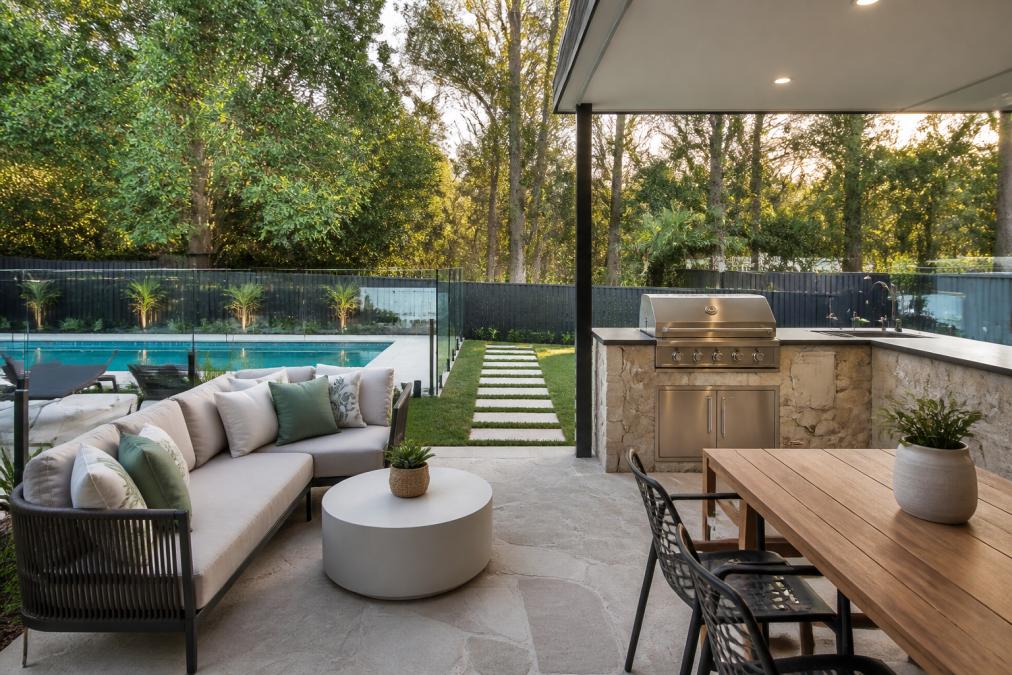
Outdoor entertaining areas are no longer a luxury, they're an expected part of modern home design. A well-planned patio, deck, or garden room extends your home's usable living space and creates the lifestyle appeal that buyers actively seek.
The key is designing spaces that feel intentional and liveable, not cramped or poorly proportioned. A patio that's too small looks like an afterthought; one that's properly scaled for a dining table and lounge seating becomes an asset. Consider sight lines from inside the home, access from the main living areas, and how the space captures sun or shade throughout the day.
Functional outdoor living spaces typically include defined zones: entertainment areas with seating, dining zones with weather protection, and transitional planting that frames the space. Quality paving or decking materials make the difference between a space that feels premium and one that looks temporary. Proper drainage ensures the area remains usable after rain, not waterlogged or slippery.
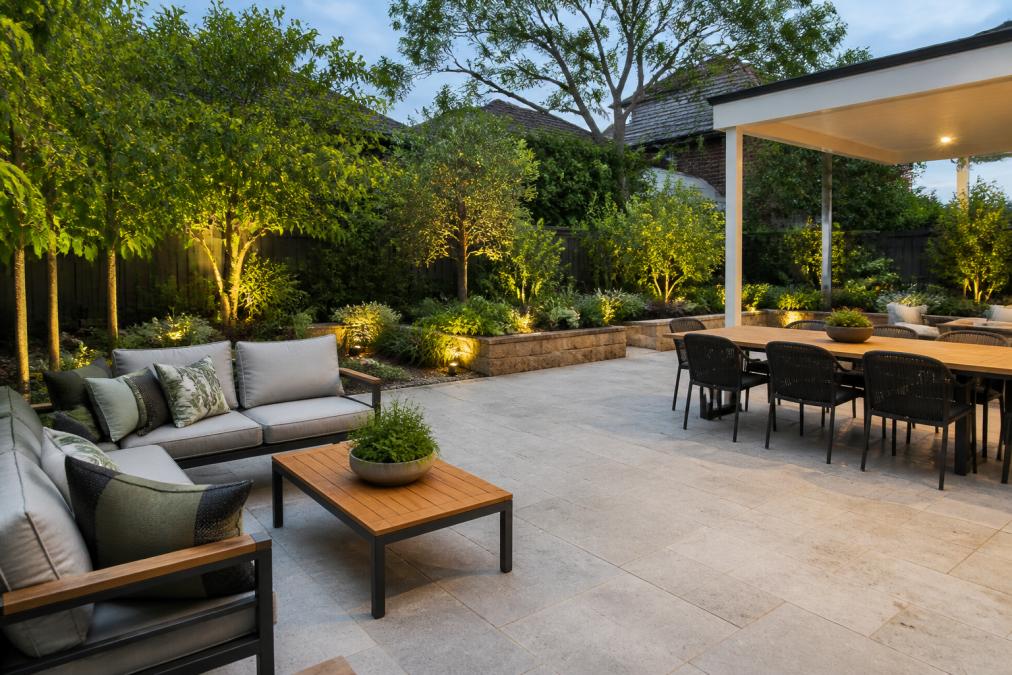
Buyers mentally move into spaces that feel complete and ready to use. An outdoor living area that's well-proportioned, properly finished, and clearly designed for entertaining adds perceived value that extends far beyond the construction cost. FDSS Landscaping Services designs outdoor spaces that balance aesthetics with genuine usability, patio layouts that work for how families actually entertain, with proper transitions between hardscape and garden.
2. Hardscaping vs Softscaping for Property Value
The balance between hardscaping (paving, walls, structures) and softscaping (plants, lawn, garden beds) determines both the visual appeal and the maintenance burden of your landscape. Understanding which elements add value and which create ongoing costs is essential.
Hardscaping elements, quality paving, retaining walls, pergolas, and edging, are permanent improvements that add structural value. They're visible, they're durable, and they define the character of your outdoor space. Softscaping (plants and lawn) creates the visual richness and seasonal interest that makes a garden feel alive, but it requires ongoing maintenance.
The winning formula isn't all one or the other. Properties that command premium prices typically feature strong hardscaping that creates structure and defines spaces, combined with thoughtful softscaping that softens hard edges and creates visual depth. A patio with no planting looks institutional; a garden with no structure feels chaotic and high-maintenance.
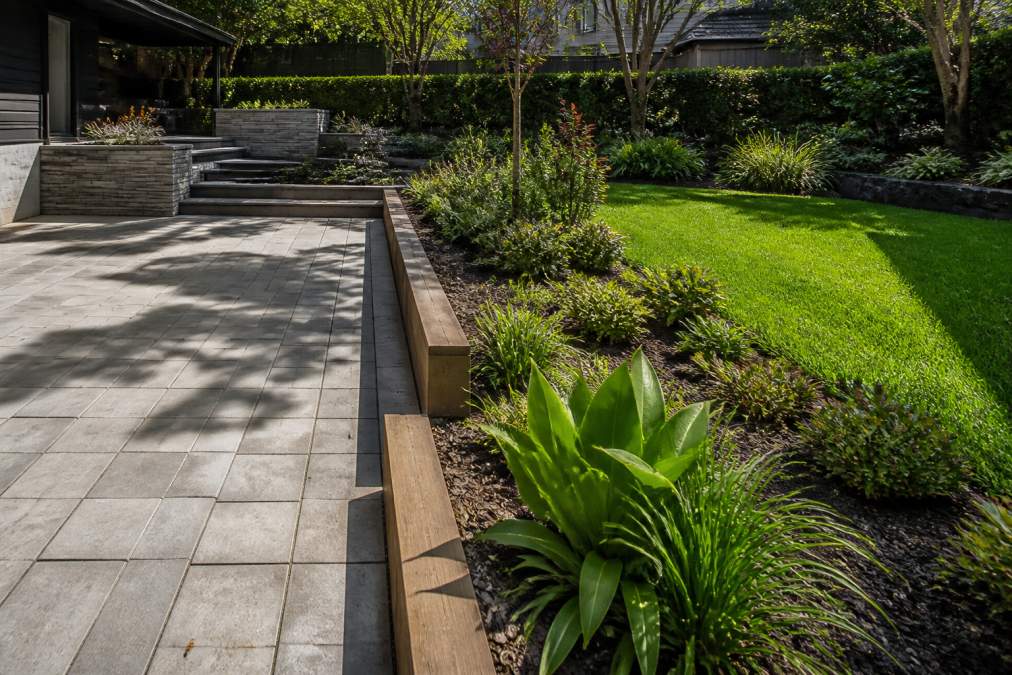
Buyers evaluate maintenance burden as much as aesthetics. A landscape that's 60% hardscape and 40% thoughtfully selected plants signals "low maintenance but not neglected." A property that's mostly lawn with minimal structure signals "needs work." The sweet spot depends on the property's character and the local market, but the principle remains: hardscaping creates value through permanence and definition, while softscaping creates value through beauty and livability.
FDSS Landscaping Services approaches every project by first establishing strong hardscape bones, proper paving, walls, and transitions, then layering in softscaping that complements rather than overwhelms the design.
3. Install Retaining Wall Construction Requirements
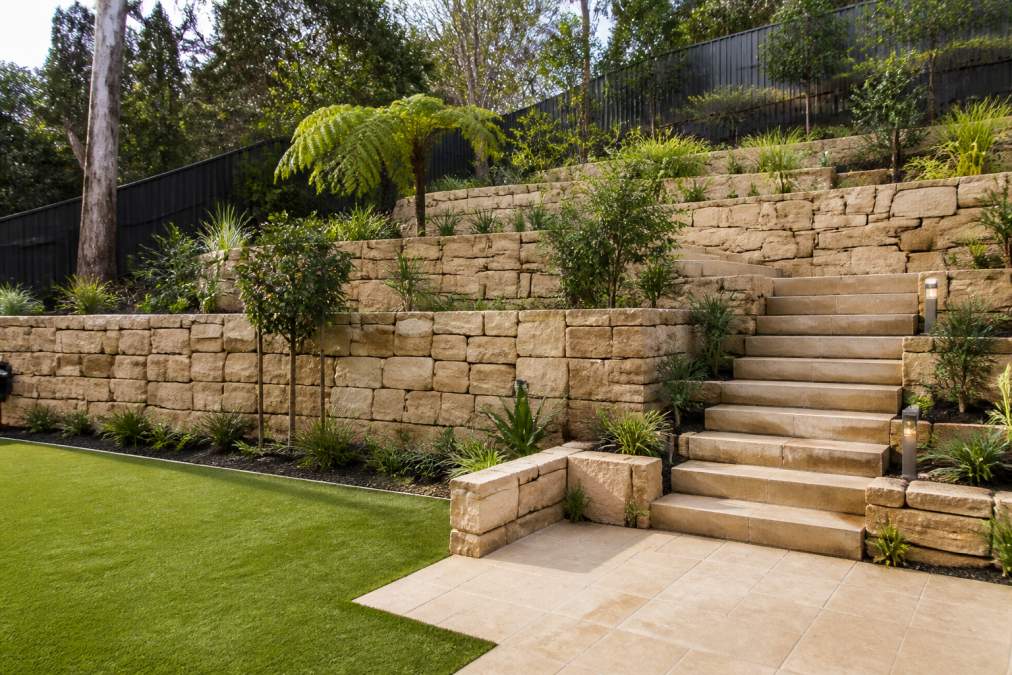
Retaining walls serve multiple purposes: they manage slope changes, create usable level areas, and add visual structure to a property. Beyond aesthetics, a well-constructed retaining wall is a significant structural asset that increases usable space and demonstrates quality workmanship.
Retaining walls must handle water management, soil pressure, and the weight of retained earth. Poorly constructed walls fail within years, creating liability and visual damage. Well-designed walls last decades and actually improve property value by creating terraced gardens, level entertaining areas, and defined boundaries.
Construction requirements vary depending on wall height, soil conditions, and drainage. Local councils typically regulate walls above certain heights, and engineering may be required. The foundation must be below frost line, drainage must prevent water accumulation behind the wall, and materials must suit the site conditions and design intent.
A quality retaining wall typically includes proper base preparation, appropriate materials (stone, concrete, or timber depending on the design), and hidden drainage systems that prevent water pressure buildup. The visible face becomes a design element, whether natural stone, rendered finish, or planted with creeping vegetation.
Buyers notice retaining walls because they're either obviously well-built (adding perceived quality) or obviously failing (raising concerns about maintenance and future costs). A terraced garden with strong, well-proportioned walls adds significant curb appeal and creates the impression of a professionally designed landscape. Conversely, a crumbling wall signals deferred maintenance across the entire property.
When planning retaining wall work, consult with a professional landscaper who understands both the engineering and the aesthetic requirements. FDSS Landscaping Services designs and constructs retaining walls that function properly while enhancing the property's visual character, whether that's rustic stone walls for a traditional home or contemporary rendered finishes for modern architecture.
4. Implement Drainage Solutions for Residential Gardens
Water management is invisible when it works and catastrophic when it doesn't. Proper drainage prevents waterlogging, protects foundations, and keeps garden beds healthy. It's one of the most underestimated factors in landscape value.
Poor drainage creates obvious problems: standing water after rain, soggy lawn areas, and plant failure. Less obvious but equally damaging is water that sits against foundation walls or pools beneath paving. Over time, drainage failures lead to structural damage, foundation movement, and expensive repairs.
Effective drainage solutions depend on site conditions. Some properties need surface grading adjustments to direct water away from structures. Others require subsurface drainage systems, French drains or perforated pipes that collect and redirect groundwater. Permeable paving allows water to infiltrate rather than run off, reducing flooding risk and improving plant health.
The investment in proper drainage is invisible but significant. A property with well-managed water, where rain drains away efficiently, garden beds stay healthy, and paving remains dry, feels more valuable than one where water causes visible problems. Buyers recognise this, even if they don't consciously understand the drainage system behind it.
Drainage solutions also enable better garden design. With proper water management, you can create diverse planting zones without waterlogging sensitive plants. Permeable paving systems allow you to expand entertaining areas without increasing runoff. Level changes become easier to manage when water is properly controlled.
When designing outdoor spaces, FDSS Landscaping Services assesses drainage as a foundational requirement, not an afterthought. Proper grading, appropriate paving materials, and hidden drainage systems ensure that gardens perform well in heavy rain and remain healthy and attractive year-round.
5. Enhance Curb Appeal With Strategic Planting
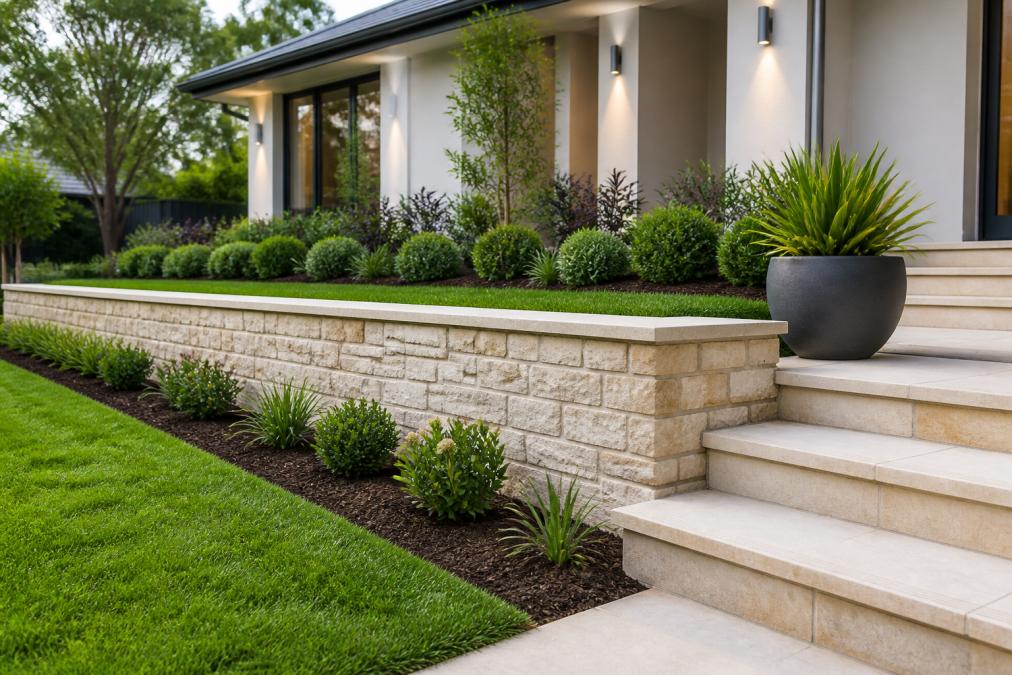
First impressions happen in seconds. Strategic planting at the front of the property sets the tone for the entire home and influences how potential buyers perceive value before they even enter the gate.
Effective curb appeal planting isn't random. It's intentional, balanced, and designed to frame the home's architecture. Strong planting typically includes a mix of heights, taller screening plants for privacy and backdrop, mid-height shrubs for structure, and lower plantings that define the entry and soften hard edges.
Colour and texture matter more than plant count. A few well-chosen plants with contrasting foliage and seasonal interest create more visual impact than a crowded bed of similar specimens. Consider how the planting looks in different seasons, spring flowers, summer foliage, autumn colour, and winter structure all contribute to year-round appeal.
The entry to your property is prime real estate for landscaping investment. A well-planted front garden signals that the owner cares about the property's presentation. It creates a sense of arrival and establishes quality expectations before anyone steps inside the home.
Native plants suited to the local climate perform better and require less maintenance than exotic species. A front garden planted with locally appropriate plants signals environmental awareness and practical thinking, qualities that appeal to modern buyers. The landscape looks intentional and sustainable rather than high-maintenance or struggling.
Edging, mulching, and lawn definition are equally important. A front garden with crisp edges, well-maintained lawn, and tidy garden beds looks cared for. One with blurred edges, weedy lawn, and bare patches looks neglected. These details cost little to maintain but dramatically affect perceived value.
6. Choose Native Plants and Low-Maintenance Design
Modern buyers increasingly value low-maintenance landscapes that don't demand constant attention. Native plants suited to local climate and soil conditions deliver this while supporting local ecology, a combination that appeals to environmentally conscious homeowners.
Native plants are adapted to the local climate, requiring less water, fertiliser, and pest management than exotic species. They also support local wildlife, which adds to the property's appeal for buyers who value biodiversity. A garden that's beautiful, healthy, and ecologically sound is more valuable than one requiring constant intervention.
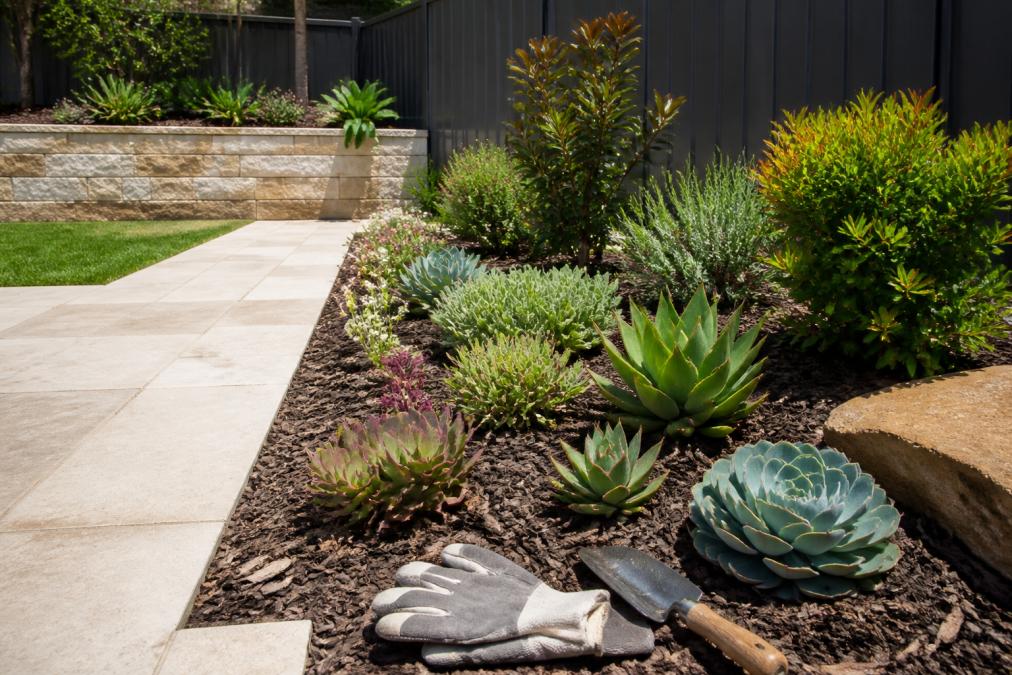
Low-maintenance design doesn't mean no plants or a barren landscape. It means selecting plants that thrive in your conditions, grouping plants with similar water needs, and using mulch and groundcovers to suppress weeds. It means designing spaces that look intentional and attractive without demanding weekly maintenance.
Water-wise landscaping (xeriscaping) is increasingly important in properties across Sydney. Gardens designed to minimise irrigation while maintaining visual appeal appeal to buyers concerned about water security and environmental impact. Proper soil preparation, strategic plant selection, and efficient irrigation systems (if used) create gardens that look healthy without excessive watering.
The perception of a low-maintenance landscape adds value beyond the actual maintenance savings. A buyer who sees a beautiful garden that won't demand constant work is more likely to value the property highly and feel confident in the long-term appeal of the space.
7. Professional Landscape Design and Construction
The difference between a DIY landscaping project and professionally designed and constructed landscape is visible and significant. Professional design ensures that every element, hardscape, softscape, drainage, and spatial planning, works together as an integrated system.
Professional landscape design begins with understanding the site: soil conditions, drainage patterns, sun and shade exposure, views, and the home's architecture. A designer creates a plan that maximises the property's potential, addresses functional requirements, and creates visual coherence. This planning phase prevents costly mistakes and ensures that the finished landscape performs as intended.
Quality construction matters as much as design. Professional installation ensures that paving is properly graded for drainage, that retaining walls are engineered correctly, that plants are positioned for optimal growth, and that transitions between elements are clean and finished. These details are invisible when done well but obvious when done poorly.
A professionally designed and constructed landscape adds credibility to the entire property. It signals that the owner has invested in quality and understands the value of thoughtful design. Buyers recognise this and are willing to pay accordingly.
The return on investment from professional landscaping varies, but properties with well-designed outdoor spaces consistently command premium pricing. More importantly, a quality landscape makes the home more enjoyable to live in while you own it, a benefit that extends beyond resale value.
FDSS Landscaping Services provides complete landscape design and construction, working with homeowners from initial concept through 3D design visualisation to finished construction. This integrated approach ensures that your vision is realised, that quality standards are maintained throughout, and that the final landscape adds genuine value to your property.
Maximise Your Property's Potential
Landscaping is one of the few home improvements that simultaneously increases market value, improves daily quality of life, and enhances environmental appeal. Strategic investments in outdoor living spaces, hardscaping, native plantings, and professional design create landscapes that buyers recognise as valuable and that you'll enjoy for years.
The most successful landscaping projects begin with clear goals: understanding what will add value to your specific property, what suits your lifestyle, and what you're willing to invest. A professional landscaper helps translate those goals into a practical plan that delivers results.
If you're considering a landscaping project in the Hills District or North-West Sydney, FDSS Landscaping Services can help you plan and execute a landscape that increases your property's value while creating the outdoor living space you've envisioned. Request a landscaping quote today to discuss your project with our experienced team.
Frequently Asked Questions
Which landscaping features offer the best return on investment?
Professional landscape design and construction that creates functional outdoor living spaces typically delivers strong returns. Hardscaping elements like paving and retaining walls add perceived worth, while native plant selections reduce maintenance costs over time. The combination of curb appeal and usable outdoor space appeals to buyers and appraisers alike. ROI varies by project scope and quality of execution.
Do retaining walls and hardscaping improve property value?
Yes. Retaining wall construction requirements vary by site, but when properly designed and built, they solve drainage issues, create usable terraced space, and enhance visual impact. Hardscaping elements define garden structure and reduce ongoing maintenance. Both signal quality investment to potential buyers and improve property appraisals, particularly on sloping sites common in hilly areas.
How does professional landscape design influence property appraisal?
Appraisers assess outdoor living spaces, hardscaping quality, native plant selections, and overall garden design as indicators of property condition and market appeal. Well-planned drainage solutions prevent costly future repairs. Professional landscape design and construction demonstrate intentional investment, which increases perceived property value and can positively influence formal valuations.
What's the difference between hardscaping and softscaping for increasing value?
Hardscaping (paving, retaining walls, edging) provides structure, durability and low-maintenance appeal. Softscaping (plants, lawn, mulch) creates aesthetic appeal and can reduce water costs through native plant selection. The best approach combines both: hardscaping provides the framework and functionality, while softscaping adds visual warmth and lifestyle value. Together they maximise property appeal and market value.
How important is drainage to property value?
Drainage solutions for residential gardens are critical. Poor drainage causes foundation issues, plant failure and costly repairs that reduce property value. Proper drainage protects the investment, prevents water damage, and allows better use of outdoor space. Professional assessment and implementation of drainage systems is essential, particularly on sloped or clay soil sites.