 How-to
Is Landscaping in Castle Hill Worth the Investment?
Last Updated: November 23, 2026
Quick Summary
Landscaping castle hill projects are usually worth it when they solve a real problem, such as a sloping block that cannot be used, a backyard that floods, or an outdoor area nobody uses. Start by defining the problem, then plan the site, levels and drainage before committing to a design.
- Landscaping is usually worth it when it solves a specific problem on the block.
- A site assessment should cover orientation, levels, water flow, soil type and existing trees.
- Drainage behind retaining walls often determines whether they perform for decades.
- Approval requirements depend on the site and council, so confirm them early.
- Build the substructure first, then stage planting and feature paving later.
Table of Contents
- How Landscaping in Castle Hill Typically Comes Together
- Planning Your Landscape Design in Castle Hill
- Retaining Walls Castle Hill Properties Often Need
- Managing Drainage and Site Conditions Before You Build
- Approvals, Budgets and What Drives Project Costs
- Choosing Plants and Materials for Your Garden
- Preparing Your Landscaping Quote Checklist
- Requesting a Landscaping Quote from FDSS
- Frequently Asked Questions
How Landscaping in Castle Hill Typically Comes Together
Landscaping projects are usually worth the investment when they solve a real problem, such as a sloping block that cannot be used, a backyard that floods after rain, or an outdoor area that the household never uses.
FDSS Landscaping Services offers landscape design and construction through one team, so the design and construction stages are coordinated rather than handled separately.
Before committing, it helps to be clear about what you want the space to do. A family backyard needs different things from a low-maintenance front garden or an outdoor entertaining area.
Planning Your Landscape Design in Castle Hill
A useful design starts with a site assessment: the orientation of the block, existing levels, where water currently runs, the soil type, and which existing trees you want to keep.
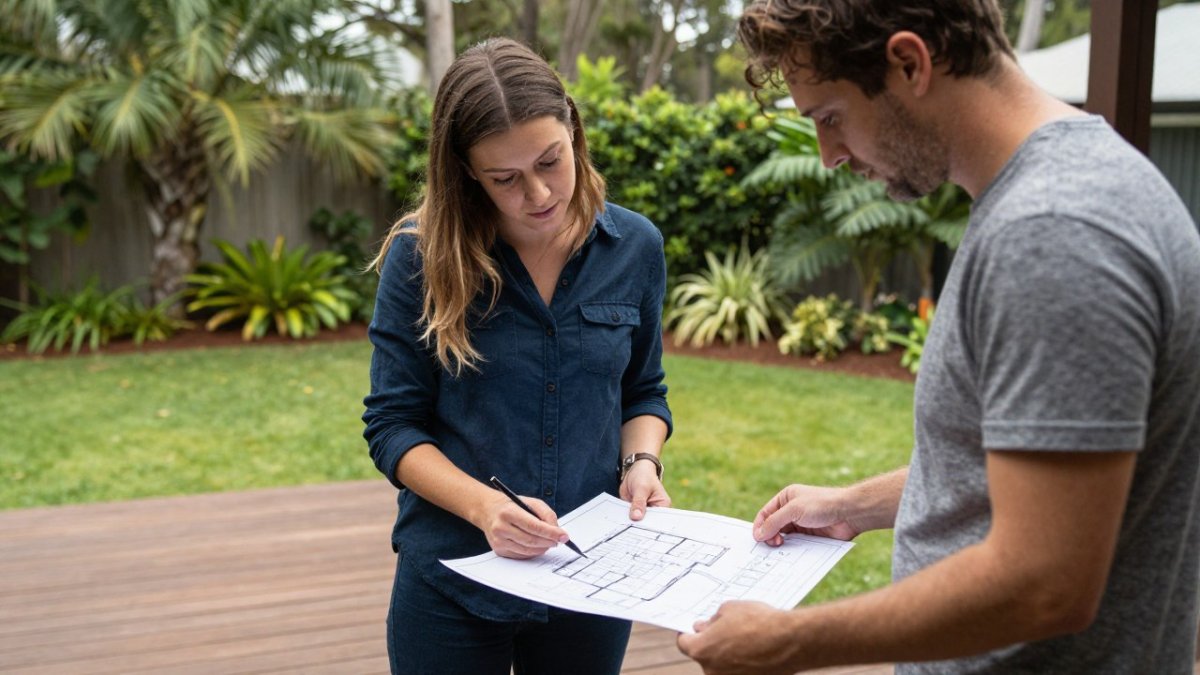
Once the site is understood, the design stage turns your priorities into a layout.
It helps to list your must-haves before the first meeting, then rank them. A clear priority list makes it easier to balance function against budget.
Retaining Walls Castle Hill Properties Often Need
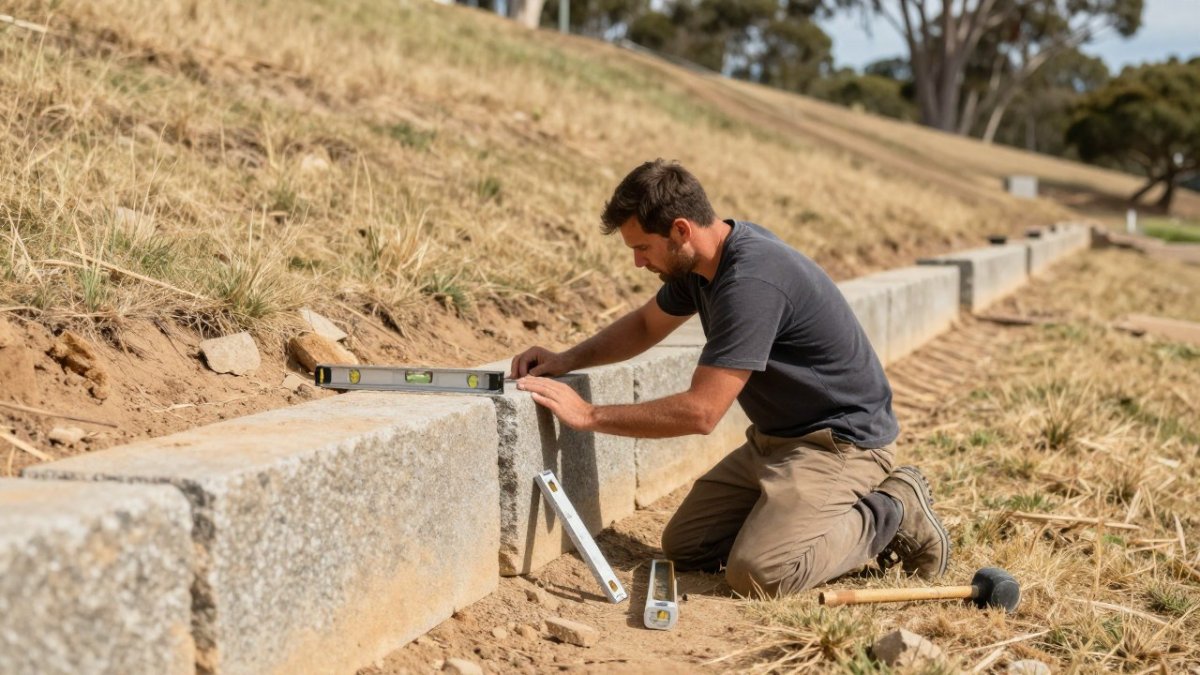
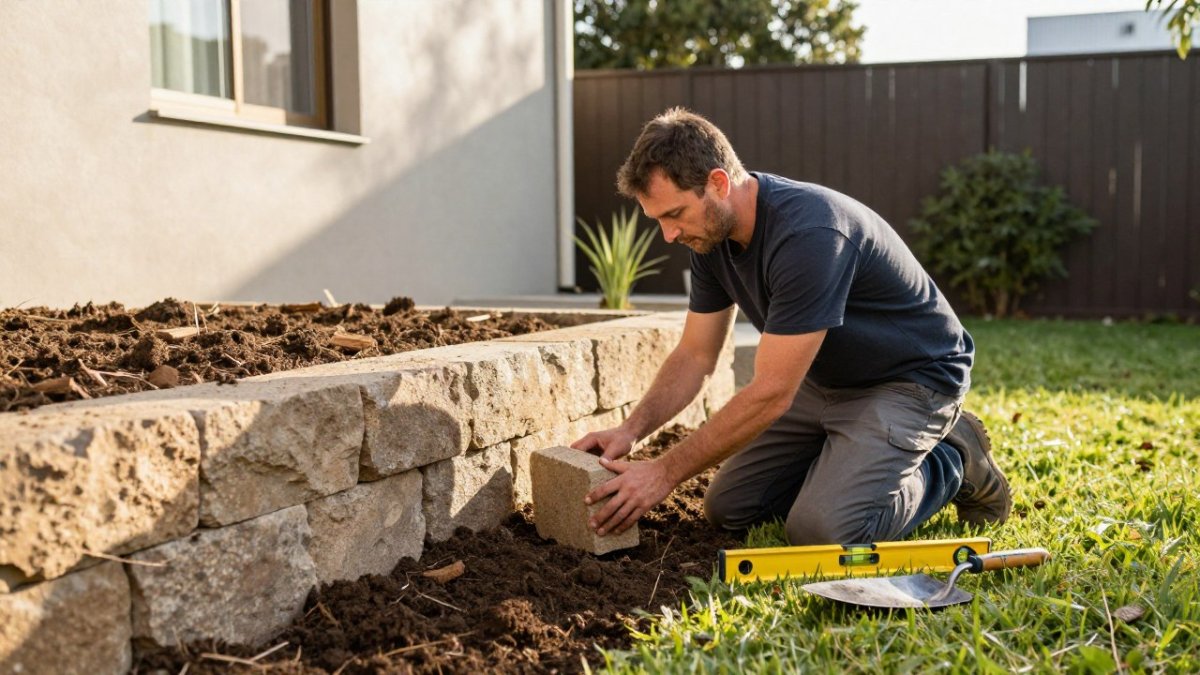
Many Castle Hill blocks have level changes that have to be managed before a backyard can be used, and landscaping castle hill projects often begin with that work. Our retaining wall services cover retaining walls for these sites.
Retaining walls are structural work. Their design depends on the height, the soil, the load behind them and how water is directed, so the right approach varies from site to site.
Drainage behind the wall is often the detail that determines whether it performs for decades. Water pressure behind a wall is a common concern, which is why drainage is worth planning from the start.
Managing Drainage and Site Conditions Before You Build
Drainage problems are among the most common reasons landscaping work needs to be redone.
Before construction, look at how the block drains during heavy rain. Note where water collects, where it leaves the property, and whether existing downpipes connect to a stormwater system.
A site assessment can identify these conditions before any excavation starts, which can help avoid surprises mid-project.
Approvals, Budgets and What Drives Project Costs
Most of the practical questions homeowners raise before a build fall into two buckets: what needs approval, and what drives the number on the quote. Neither has a single answer, but both can be approached methodically.
Approvals: a checklist approach
Approval requirements depend on the site, the scope of work and the relevant council or authority, so treat any general statement, including this one, as a starting point rather than a ruling. The practical move is to identify which parts of your project are most likely to trigger a consent question and check those first:
- Retaining walls. Height, the load they hold back, and their proximity to boundaries or easements all influence whether engineering and approval are needed. Walls that retain a neighbour's land or sit near a boundary typically attract more scrutiny than a low garden wall.
- Drainage and stormwater. Changes to where water leaves your property, new connections to the stormwater system, and works near drainage easements are commonly reviewed.
- Tree removal or significant pruning. Many councils protect certain trees regardless of whether they are on your land, and a permit may be required before work starts.
A designer or builder who works in your area regularly may know which items the local council tends to query. Ask them to flag approval items in the concept stage, not after construction starts, because a late approval can stall a build and force redesigns.
Watch out: assuming a low retaining wall or a small pergola is exempt without checking can cause delays. Requirements vary by council and by site, so confirm before you commit to a timeline.
Budgets: what actually moves the number
Every block is different, so pricing depends on site conditions, scope and access. Current pricing is best confirmed through a quote from FDSS Landscaping Services. What is useful is understanding the cost drivers, because that is where you can make deliberate trade-offs.
The biggest movers are usually:
- Excavation volume. How much soil has to be cut, carted away or brought in. Sloping blocks and sites with poor access increase both the volume and the difficulty.
- Retaining walls. Height, length, material and the engineering behind them. A tall wall holding back a driveway is a different proposition from a low garden edge.
- Hardscaping area. Paving, concreting and steps are priced largely on area, substrate preparation and material choice. Complex patterns, curves and level changes add labour.
A written quote based on a site visit is the most reliable way to see what your project involves.
Sequencing the spend
If the full scope is beyond the current budget, a staged approach usually works better than shrinking every element. Prioritise the work that is hardest to add later, drainage, levels and retaining walls, and treat planting, feature paving and outdoor structures as later stages. Getting the substructure right first means later stages sit on a sound base rather than being redone.
The article outlines the main cost drivers that shape a landscaping quote:
| Cost driver | What it affects | Note |
|---|---|---|
| Excavation volume | Soil cut, carted away or brought in | Sloping blocks and poor access increase volume and difficulty |
| Retaining walls | Height, length, material and engineering | A tall driveway wall differs from a low garden edge |
| Hardscaping area | Paving, concreting and steps | Priced largely on area, substrate and material choice |
| Drainage scope | Grading, subsurface drainage, pits and connections | Often underestimated and costly to retrofit |
| Turf and planting | Area, plant sizes and irrigation | Irrigation inclusion changes the total |
| Site access | Materials and machinery movement | Narrow side access, steep driveways and powerlines add cost |
Choosing Plants and Materials for Your Garden
Plant and material selection is where a landscape either settles into its site or fights it. The right choices depend on your soil, aspect, rainfall pattern, maintenance appetite and the style you want, but there are practical patterns worth knowing before you walk into a nursery or sit down with a designer.
Start with the site, not the plant list
Before choosing a single species, establish four things about the space:
- Aspect and sun hours. A north-facing bed may receive sun for most of the day; a south-facing one may be shaded for much of winter. Plants that need full sun will struggle in shade, and vice versa.
- Soil type. Heavy clay, common across much of the Hills District, holds water and can stay saturated in winter, while sandy or loamy soils drain faster. Clay also tends to be alkaline, which suits some plants and not others.
- Water behaviour. Where water pools, where it runs off, and whether irrigation is planned. Plants that dislike wet feet will fail in a low corner that collects runoff.
Plant categories that work locally
Rather than a fixed list, think in categories and let a designer match species to your site:
- Native and water-wise shrubs and groundcovers. Once established, many Australian natives need less supplementary watering and suit the local climate. They are a sensible backbone for low-maintenance beds.
- Feature trees and large shrubs. Used sparingly, these anchor a design and provide shade and privacy. Check mature height and root behaviour before planting near walls, pipes or boundaries.
- Screening plants. For privacy along a boundary, choose species with the right mature height and density, and confirm whether they suit the soil and sun exposure on that side.
- Lawn turf. Warm-season varieties generally suit the local climate better than cool-season types, but the right choice depends on shade tolerance, wear expected and how much watering you are prepared to do.
A common mistake is mixing plants with very different water and light requirements in the same bed. The result is patchy, some thrive, others struggle, and the bed never looks settled.
Materials: match the material to the job
Pavers, timber, stone and concrete each suit different uses, budgets and looks. The questions worth asking are:
- How will it handle your site's conditions? Slope, drainage and exposure to sun and rain all affect how a material performs.
- How will it age? Some materials develop character; others stain, fade or require sealing. Ask what maintenance is realistic.
- Does it suit the use? A driveway, a pool surround and a garden path have different load and slip requirements.
- Is supply reliable? Material delays can hold up a whole build, so ask about lead times and whether substitutes are available.
Bring references, not just ideas
If you have a specific style in mind, bring photos. They help a designer understand the look you are after far faster than a description, and they make it easier to discuss trade-offs between the look you like and the maintenance it requires. A short conversation about how you want to use the garden, entertaining, kids, pets, quiet corners, is just as valuable as a mood board.
Preparing Your Landscaping Quote Checklist
A clear brief gets you a more accurate quote. Before you request one, gather the following:
- A rough sketch or photos of the space, marking the areas you want to change
- Your priorities, ranked from most to least important
- Any existing plans, levels or drainage information you have
- Your target timeframe and any hard deadlines
Comparing quotes works best when each one covers the same scope. Check whether drainage, excavation, waste removal and site preparation are included, and whether the quote is based on a site visit.
Requesting a Landscaping Quote from FDSS
If you are weighing up whether a landscaping project is worth the investment for your Castle Hill property, the most useful next step is a site-specific conversation. Our landscape design services show how we approach concepts through to completion, and our landscaping design guide for new homes covers planning for new builds.
For a quote tailored to your property, request a landscaping quote from FDSS and our team will get in touch to discuss your project.
Frequently Asked Questions
How do I choose a landscaper in Castle Hill?
Start by checking that the landscaper offers the services your project needs, such as design, retaining walls, paving and turf, rather than only one trade. Ask to see examples of completed work with similar site conditions, and confirm who will supervise the job from start to finish. Request written quotes that itemise materials, labour and site preparation so you can compare them fairly. A good landscaper will explain the site considerations behind their recommendations and will be clear about which approvals depend on your property and the relevant council.
What should I consider before starting a landscaping project?
Consider how you will use the space, how much maintenance you are willing to do, and how the garden sits with drainage, slope and sun exposure. Look at access for machinery and materials, as well as any neighbour or council requirements that may apply. Setting a realistic budget with some contingency helps keep the project on track. Planning these points early, ideally with a concept or 3D design, reduces changes during construction.
Do I need approval for a retaining wall or other landscaping work?
Whether approval is needed depends on the height of the wall, its location on the property, the site and the local council's requirements. Some works may be exempt, while others need a development application or a certificate depending on the scope. Because these rules vary, check directly with your local council or a qualified professional before building. Retaining walls near boundaries, slopes or structures often need particular attention to engineering and drainage.
What should I include when requesting a landscaping quote?
Provide a clear description of the area, your goals and any existing features you want kept or removed. Include site photos, a rough sketch or survey if you have one, and notes on access, slope and drainage issues you have noticed. Mention your preferred timeframe and whether you want design, construction or both. Pricing depends on materials, quantities, site access and the scope of work, so the more detail you provide, the more accurate the quote will be. You can request a quote from FDSS Landscaping Services through our quote page.